 N環球
N環球 
Health ministers end talks with one-year $1.2B bridge, no long-term deal
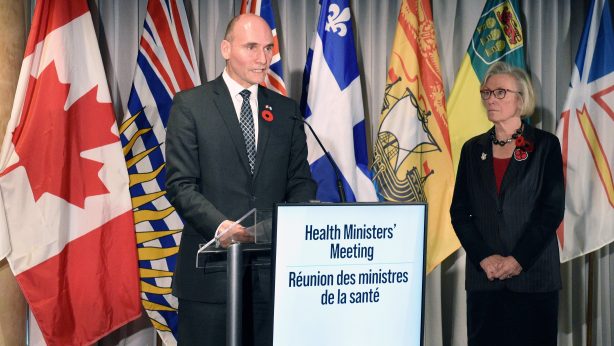
Two days of meetings in Winnipeg ended Friday: the $1.2B for mental health, substance use and home care is extended only one year, the long-term commitment provinces demanded never materialized, with another round set before December; the rare-diseases drug strategy gets a $500M one-year renewal.
Why it matters
Two days of meetings between federal Health Minister Marjorie Michel and her provincial and territorial counterparts wrapped up in Winnipeg on Friday, October 16. The outcome: bilateral deals for mental health, substance-use treatment and home and community care, set to expire at the end of March, get only a one-year, $1.2-billion bridge — and none of the long-term, stable funding commitment provinces had demanded for weeks. 'We got some bridge dollars, which is welcome,' host Manitoba Health Minister Uzoma Asagwara said at the news conference, 'but we needed clarity on the long-term funding.'
What the talks produced
The $1.2B extension was announced by Michel on social media late Wednesday night, on the eve of the meeting; the talks themselves moved it no further. Ontario Health Minister Sylvia Jones said Thursday that a one-year extension 'does not fill us with a lot of joy.' As a direct result of Friday's discussions, another interjurisdictional round will take place before the end of December. One more tangible win Friday: Ottawa renewed the National Strategy for Drugs for Rare Diseases for another year at $500 million, another item ministers had sought this week.
Other consensus, and the fight ahead
In a joint news release Friday, the three orders of government reaffirmed commitments to strengthen the pharmaceutical system and mitigate potential impacts of US tariffs and pricing policies, aligned on pathways for internationally educated health professionals, and on responding to the toxic drug crisis. The real fight is still ahead: provinces want the Canada Health Transfer to keep growing at a minimum of 5% a year, while under federal budget rules its minimum growth rate drops to 3% starting in 2028. Michel said the next stage of talks will focus on transfer and bilateral funding; the federal budget, traditionally tabled in spring, moves to the fall this year, date unannounced.
Sources
The Canadian Press (via Winnipeg Free Press and newsbeep, Oct 16/17, 2026); federal-provincial-territorial health ministers joint news release.
💬 Comments
No comments yet. Be the first!