 N環球

Delhi Opens First Integrated Air Pollution Analysis Lab AATAL, Able to Trace Pollution to Its Sources in Real Time
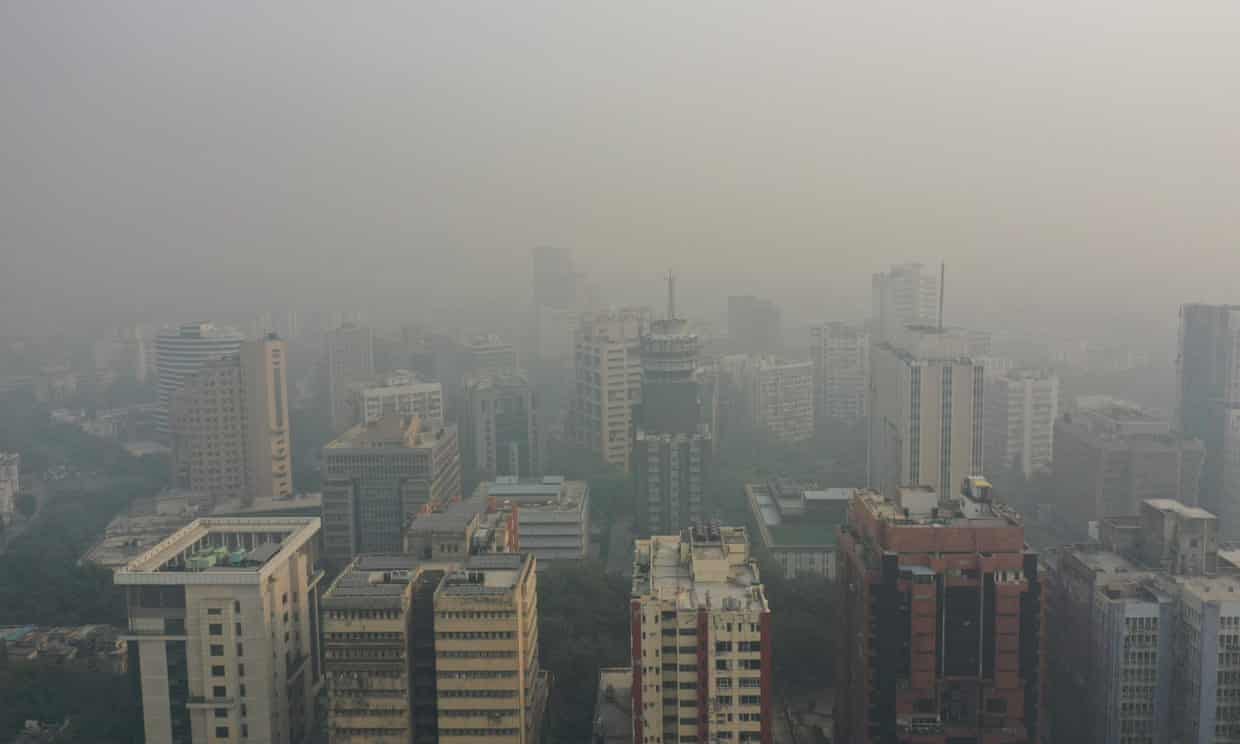
India's Minister of State for Science and Technology, Jitendra Singh, inaugurated the first-of-its-kind integrated air pollution analysis laboratory, AATAL, in Delhi on October 24. Housed at the Delhi branch of the Indian Institute of Tropical Meteorology under the Mission Mausam programme, it identifies the chemical composition, sources and toxicity of air pollution, not just an air quality index.
Why it matters
Delhi's air pollution worsens sharply every winter, yet the public and policymakers have long had just one number: how dirty the air is today, not where the dirt comes from. AATAL is meant to close that gap, breaking pollution down by source so controls can target the real drivers instead of spreading thinly across everything.
What the lab does
AATAL stands for the Integrated Atmospheric Chemistry and Aerosol Toxicity Analysis Laboratory. It sits at the Delhi branch of the Indian Institute of Tropical Meteorology (IITM) and has been set up under Mission Mausam, the programme announced by Prime Minister Narendra Modi.
The lab carries advanced instruments to analyse the chemical composition of atmospheric gases and aerosols, including fine particulate matter PM2.5, metals and toxic elements, and to separate sources: vehicle emissions, industrial activity, biomass and crop-residue burning, construction and road dust, and pollutants transported from neighbouring regions. By estimating each source's relative contribution, authorities can tell what is driving poor air quality at a given time and where intervention would work best.
In the inauguration demonstration, transport accounted for about 25 per cent of Delhi's pollution at that moment, with an overall reading of around 180. The lab is also linked to IITM's AIRWISE system, which combines air quality measurements, forecasts and pollution-source data to help officials track changing conditions and prepare for worsening episodes.
Who was there, and what was said
The inauguration was led by Union Minister of State (Independent Charge) for Science and Technology and Earth Sciences, Dr Jitendra Singh. Also present were Dr T. Srinivasa Kumar, Secretary of the Ministry of Earth Sciences; Dr A. Suryachandra Rao, Director of IITM; and Dr Mahapatra, Director General of the India Meteorological Department.
Singh said discussion used to revolve largely around whether the pollution level was 100 or 200, and that the facility will help people understand the composition of pollution, the contribution of different sources and the potential health implications, while providing real-time information and advance forecasts for timely action. He said Delhi-NCR was chosen because of serious public concern over air pollution.
Background
Delhi faces a severe air pollution crisis that worsens dramatically every winter from October to February, driven by vehicle emissions, agricultural residue burning, road and construction dust and other factors. AATAL's pitch is to move management from simply reporting pollution levels to precise, evidence-based controls; whether that evidence turns into real emission cuts will be tested in the winter ahead.
💬 Comments
No comments yet. Be the first!