 N環球

Delhi traders warn BS-VI-only vehicle entry would hit trade and daily life
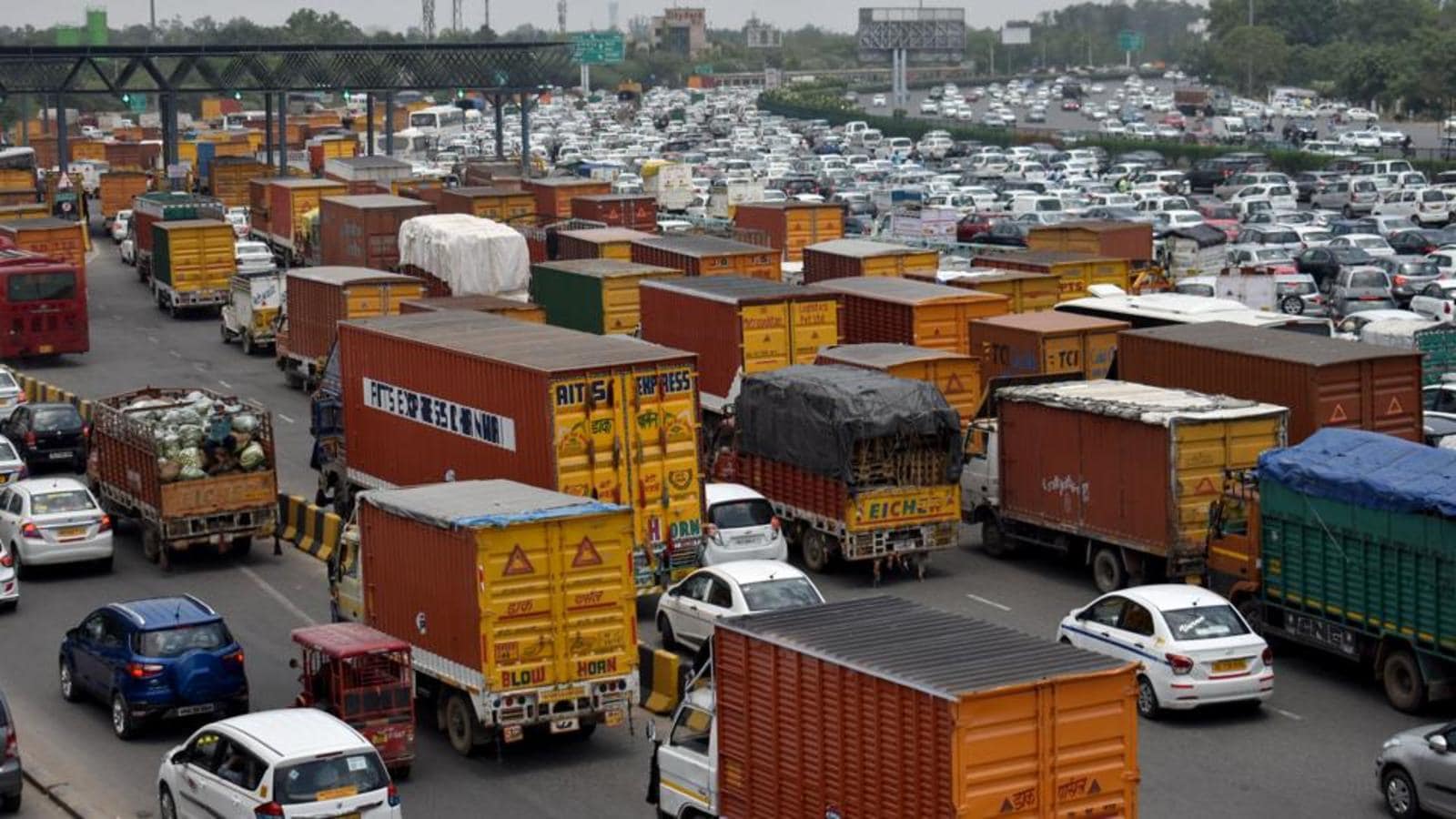
Delhi's Chamber of Trade and Industry warned that a Supreme Court suggestion to allow only BS-VI vehicles into the capital and phase out commercial vehicle entry would badly hit trade and consumers if imposed without preparation: over 2 million traders directly affected, transport costs possibly up 2 to 3 times, perishables delayed 4 to 6 hours.
Delhi's Chamber of Trade and Industry (CTI) warned on Tuesday (November 24) that a suggestion under consideration by the Supreme Court — to allow only BS-VI (Bharat Stage-VI emission standard) vehicles into Delhi and gradually ban commercial vehicle entry — would severely hit the capital's trade, industry and consumers if imposed without adequate preparation.
Photo caption: File photo: trucks on a Delhi highway. (Photo: The Environment)
2 million traders and 800,000 transport workers affected
CTI chairman Brijesh Goyal said more than 2 million traders, entrepreneurs, transporters and consumers would be directly affected, with the livelihoods of more than 5 million people at stake including family members, along with over 800,000 transport workers and Delhi's 20 million residents. "Stopping pollution is necessary, but not by killing businesses," he said.
Transport costs could rise 2 to 3 times
CTI said transport costs could rise two to three times if goods had to be unloaded at border warehouses and moved into the city by smaller electric vehicles. More than 80% of goods entering Delhi currently arrive on BS-III and BS-IV vehicles, and small operators may not have the money to buy new BS-VI vehicles. Delays of four to six hours in moving perishables such as vegetables, fruit, milk and medicines could push up prices. Industries in Bawana, Narela, Okhla and other areas could relocate to neighbouring regions, and established wholesale markets such as Sadar Bazaar and Chandni Chowk could lose business to warehouses in the National Capital Region.
Five demands from traders
CTI placed five demands before the authorities: a written roadmap prepared in consultation with traders and transporters; compensation and subsidies for BS-IV vehicle owners; government-funded warehouses, cold storage and EV charging infrastructure; treating Delhi-NCR as a single economic entity; and exemptions for essentials such as vegetables, fruit, milk, medicines and groceries.
Background: Supreme Court hearing on November 23
A bench led by Chief Justice of India Surya Kant said on Monday it would consider allowing only BS-VI vehicles in Delhi, if not the whole National Capital Region, and suggested a total ban on commercial vehicles entering the capital, with goods unloaded at border warehouses and carried in by battery-operated vehicles. The court passed no direction, calling it a long-term measure to consider and mentioning a five-year horizon. The Commission for Air Quality Management told the court in an affidavit that more than 2.36 million end-of-life vehicles are still plying Delhi-NCR roads, and that of 2.54 million overage vehicles registered across Delhi, Haryana, Uttar Pradesh and Rajasthan, only 185,000 had been scrapped or issued no-objection certificates. Since November 1, commercial goods vehicles other than BS-VI, CNG, LNG and electric ones have been barred from entering Delhi, subject to exemptions.
💬 Comments
No comments yet. Be the first!