 N環球

Delhi air turns very poor: Stage II response activated as Diwali approaches
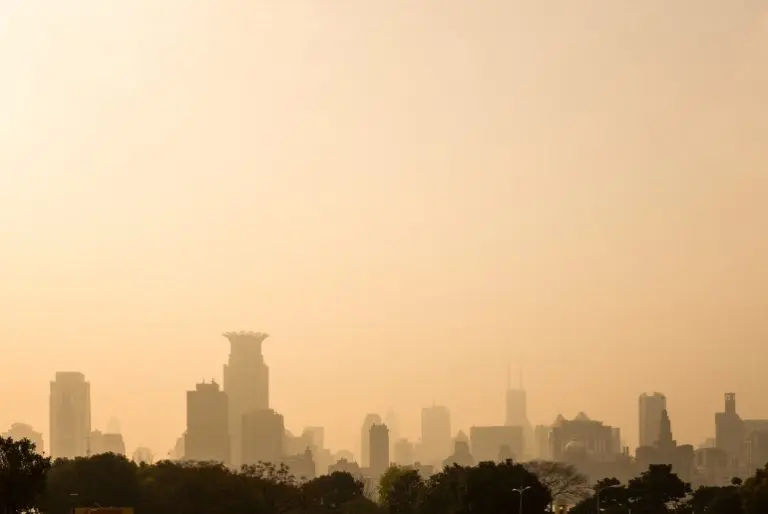
India's Commission for Air Quality Management activated Stage II of the Graded Response Action Plan across the National Capital Region on November 2, after Delhi's air quality index reached 307 in the morning and 324 in the afternoon, entering the very poor category for the first time this season. Of 58 reporting stations, 36 recorded very poor air and Jahangirpuri hit a severe 417; officials warned unfavourable weather could keep pollution elevated ahead of Diwali. (Cover photo is a file photo of Delhi smog, not taken on November 2.)
India's Commission for Air Quality Management (CAQM) invoked Stage II of the Graded Response Action Plan (GRAP) across the National Capital Region (NCR) with immediate effect on Monday, November 2, after Delhi's air quality deteriorated to the very poor category. Central Pollution Control Board (CPCB) data put Delhi's air quality index (AQI) at 307 at 7:05 a.m. and 324 at 4 p.m., the first time this season the capital has entered the very poor band.
Three days of deterioration: from moderate to very poor, 36 of 58 stations very poor
The slide was rapid: Delhi's AQI stood at 117, or moderate, on October 31, rose to 261, or poor, on November 1, and crossed the 300 threshold into very poor on November 2. Of 58 monitoring stations reporting data, 36 recorded very poor air, while Jahangirpuri entered the severe category at 417; PM2.5 was the main pollutant at 51 of the 58 stations. Under the CPCB scale, 301 to 400 is very poor and 401 to 500 is severe. Delhi last recorded very poor air on February 11, when its average AQI reached 305.
Stage II measures and the Diwali worry
The CAQM decided after reviewing the situation alongside forecasts from the India Meteorological Department and the Indian Institute of Tropical Meteorology. Under Stage II, agencies across Delhi-NCR must strengthen dust controls, including mechanical road sweeping, water sprinkling, strict dust control at construction sites and enhanced public transport frequencies, along with restrictions on certain fuel sources and activities. Officials said unfavourable meteorological conditions are likely to keep pollution elevated over the coming days, and the air quality early warning system forecasts further deterioration into the very poor category by November 4. Diwali falls a week later, when firecrackers are expected to add to the pollution load. NASA satellite data detected 1,394 farm fires in Punjab and Haryana between October 1 and November 1, down from 1,861 in the same period last year; the Decision Support System for air quality management estimated stubble burning contributed about 18.57% of Delhi's pollution on November 1.
💬 Comments
No comments yet. Be the first!