 N環球

Google's 10th-gen TPU reportedly to pack 512GB of custom HBM5, with MediaTek on design
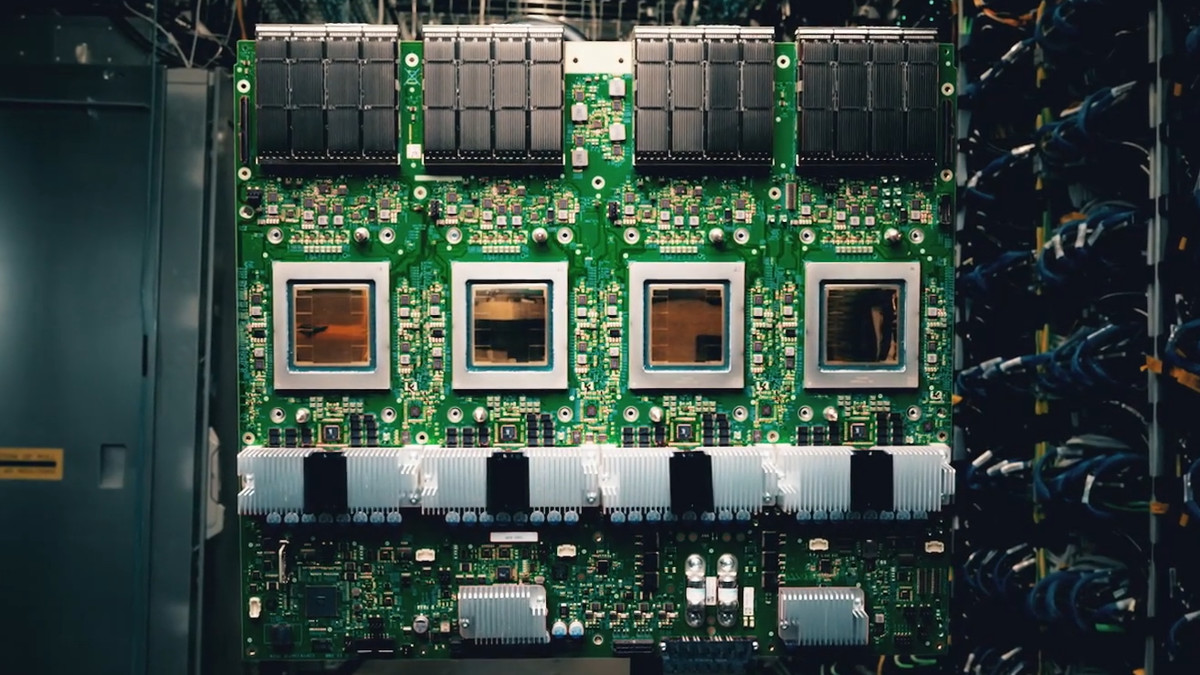
Google's tenth-generation TPU, codenamed Quillfish, will reportedly carry 512GB of custom HBM5 memory, with MediaTek handling design and Intel supplying advanced packaging, targeting mass production in 2029.
Google's tenth-generation in-house AI chip, the TPU, will carry 512GB of custom high-bandwidth memory (HBM5) and is codenamed Quillfish, with mass production targeted for 2029, South Korea's Economy Tribune reported on November 27, citing industry sources. MediaTek is expected to design the memory's core logic die, while Intel will supply advanced packaging technology.
The reported 512GB of memory per chip would be about 2.7 times the 192GB of HBM in Google's current Ironwood TPU. More memory lets a single accelerator hold larger AI models and longer context windows, which matters most for training frontier models.
MediaTek's role grows as Intel packaging enters from the ninth generation
MediaTek is expected to handle the HBM5 base die and high-speed serial interface (SerDes) design, according to the reports. Analyst Ming-Chi Kuo's industry survey, published November 15, also said MediaTek has won the design service order for the tenth-generation TPU and will be the sole design supplier for the ninth-generation (Humufish/Triggerfish) and tenth-generation chips, with its share of total TPU supply expected to reach 45 to 50 percent in 2027, 50 to 55 percent in 2028 and 55 to 60 percent in 2029.
On packaging, Google is reported to be adopting Intel's EMIB-T advanced packaging starting with its ninth-generation TPU, with the tenth generation continuing on the same technology; the chip itself is expected to use TSMC's A14 process. Advanced packaging is currently dominated by TSMC's CoWoS technology, and bringing in Intel is seen as a way to diversify packaging capacity and allow larger package sizes. Google is also reported to be exploring buying HBM directly from memory makers to reduce its reliance on Broadcom.
Order visibility runs to 2029, but nothing is officially confirmed
Kuo's survey also said new orders from OpenAI and Anthropic have extended Google's TPU shipment visibility to 2029, ahead of Nvidia GPUs and other AI accelerators. From 2028, the ninth-generation TPU is expected to become the mainstay of Google's own compute buildout, with eighth-generation orders largely coming from OpenAI and Anthropic.
The details above come from media reports and analyst surveys. Google, MediaTek and Intel have not publicly confirmed the specifications, the division of work or the production timetable, and reports differ on timing, with some pointing to a fourth-quarter 2028 launch and others to mass production in 2029. Specifications may still change before production.
(Sources: Asia Daily, Economy Tribune, Ming-Chi Kuo industry survey, November 29, 2026; image shows a Google TPU accelerator board.)
💬 Comments
No comments yet. Be the first!