 N環球

Lagos Saturday outage was not a grid collapse, transmission company says
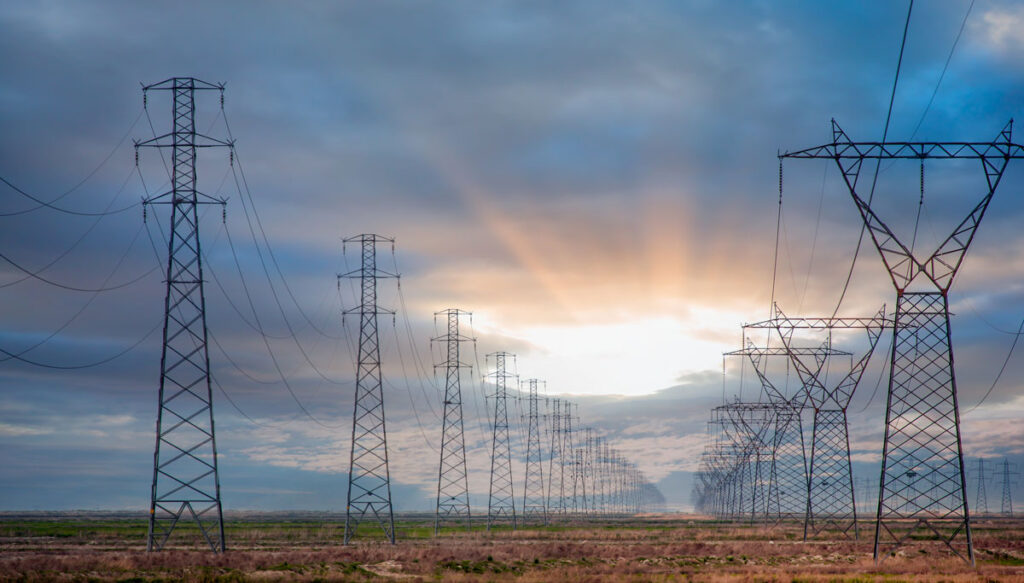
Nigeria's Transmission Company says Saturday's power disruption in the Lagos area was caused by two transmission lines tripping, not a national grid collapse; generation fell from 4,335 MW to 2,573 MW.
Nigeria's Transmission Company (TCN) clarified on Saturday that the power disruption in the Lagos area that day was caused by two transmission lines tripping, and that the national grid did not collapse. The Osogbo–Ihovbor line tripped first, followed by the Benin–Omotosho line, affecting only bulk power supply to the Lagos axis.
Two lines tripped, Lagos supply hit
TCN spokesperson Ndidi Mbah said the Osogbo–Ihovbor transmission line tripped at about 1:41 p.m. on Saturday, followed shortly by the Benin–Omotosho line. Just before the trippings, at about 1 p.m., total generation on the grid stood at 4,335.63 megawatts; afterwards it dropped to 2,573.23 MW — a significant fall, but far from a total shutdown. The trippings affected power stations including Egbin, Olorunsogo, Omotosho, Geregu and Paras, which have all since been restored, except for the Benin–Omotosho 330kV line, which is still being restored.
"Not a collapse": the official clarification and a political row
After the incident, social media and some media outlets reported that the national grid had collapsed. Former presidential candidate Peter Obi also posted criticising frequent grid collapses; after TCN's clarification, Obi corrected himself on Sunday, apologised for his earlier comments and praised TCN for clarifying promptly. In a statement titled "Benin–Omotosho Line Tripping, Not System Collapse", TCN stressed that the grid remained stable and fully operational throughout the day, and urged the public to rely on official communications.
Second line-trip incident in two days
A similar incident happened on Friday: the Nigerian Independent System Operator (NISO) said four transmission lines tripped at 12:34 p.m. and 12:50 p.m., causing load losses in the Lagos Complex and other areas, with all lines restored by 2:49 p.m. the same day. NISO said that too was a transmission line disturbance, not a system collapse. The stability of Nigeria's grid is a long-running public concern, and any blackout quickly sparks speculation that "the grid has collapsed again"; the authorities' two swift clarifications were aimed at stopping the misinformation from spreading.
Sources: Punch, BusinessDay, ThisDay, NISO/TCN statements, November 22, 2026.
💬 Comments
No comments yet. Be the first!