 N環球

Pentagon fact sheet slams Canada's military readiness, defence spending
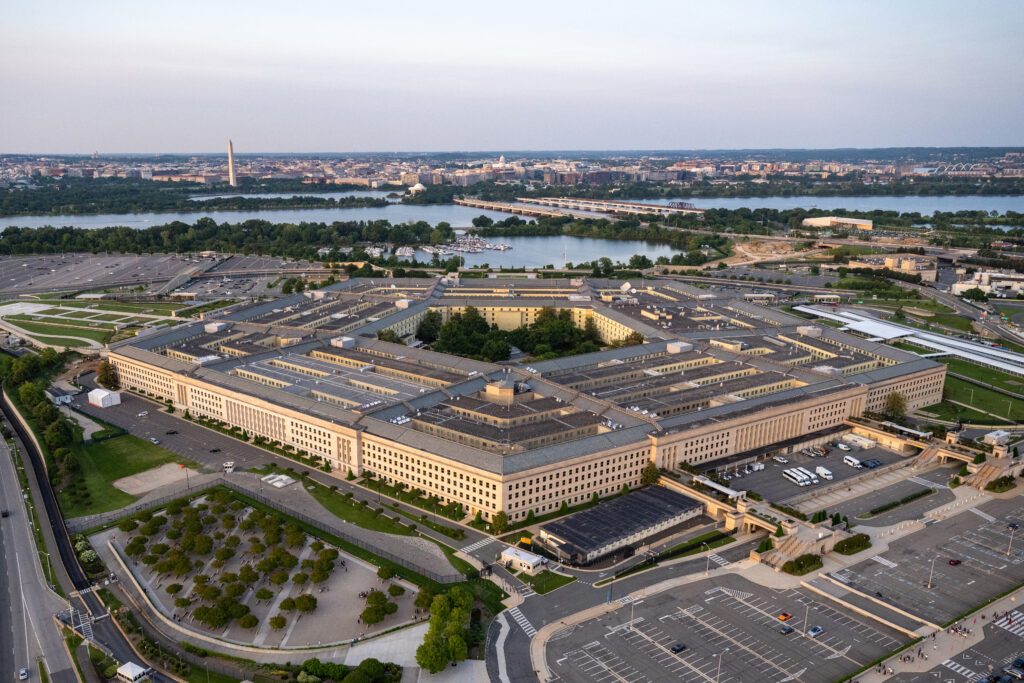
The U.S. Department of War published a sharply worded fact sheet on U.S.-Canada defence relations, saying Canada is failing its NORAD and NATO obligations and putting economic interests ahead of military needs; only 41.9% of its air force fleet is ready for operations.
The U.S. Department of War on November 23 published a fact sheet on U.S.-Canada defence relations, in unusually blunt language accusing Canada of failing to meet its obligations to NATO and the North American Aerospace Defense Command, and of putting "parochial economic and commercial interests" ahead of military needs. The document says only 41.9% of Canada's air force fleet is ready for operations in the current fiscal year, and only one of its four submarines is operational. (Sources: CBC / Associated Press)
Readiness figures low across the board
According to the fact sheet, army readiness stands at just 48% and navy fleet availability at 53.9%, with the air force lower still at 41.9%. The document says the shortfalls directly affect Canada's ability to contribute to the air defence of North America. It criticizes Canada's political leadership for pursuing "unfocused global commitments, resulting in personnel and platform overextension, deferred modernizations for key equipment and low readiness rates."
F-35 review and the NATO target
The fact sheet also criticizes Prime Minister Mark Carney's government for reviewing the purchase of 88 U.S.-made F-35 fighters, saying a mixed fleet would worsen personnel shortages and create uncertainty for NORAD. It says Ottawa "has yet to articulate a resourced path" to reach NATO's target of defence-related spending of 5% of gross domestic product by 2035, "and is deferring the largest increases needed to actualize NATO targets until after the 2029 federal election."
The backdrop: Hegseth memo and budget dispute
The document was released two days after the Washington Post reported that Secretary of War Pete Hegseth had issued a classified directive restricting military co-operation with Canada. U.S. Senator Mike Rounds told the Halifax International Security Forum the restrictions were largely symbolic and do not affect day-to-day military operations, intelligence sharing or defence planning. Defence Minister David McGuinty's office did not immediately respond. Canada's budget, released November 5, projects defence and security spending combined at 4.1% of GDP by 2027-28, but core defence spending at only 2.6%; Carney said in June that Canada should no longer send three-quarters of its defence capital spending to the United States.
The memo reportedly limits general and flag officer meetings to those advancing Department of War objectives, requires U.S. defence officials to seek permission before attending social events or think-tank conferences, and follows the suspension last fall of meetings of the Permanent Joint Board on Defence, a decades-old co-ordinating body. The fact sheet closes with advice to Ottawa: "Canada can maximize its limited but growing defence funds by prioritizing missions important for its homeland defence and meeting NORAD and NATO obligations by committing to the best military platforms."
Photo caption: The Pentagon in Arlington, Virginia. (Photo: U.S. Department of Defense)
💬 Comments
No comments yet. Be the first!