 N環球

Singapore's LTA to roll out AI road video platform from 2028 to detect hazards and incidents automatically
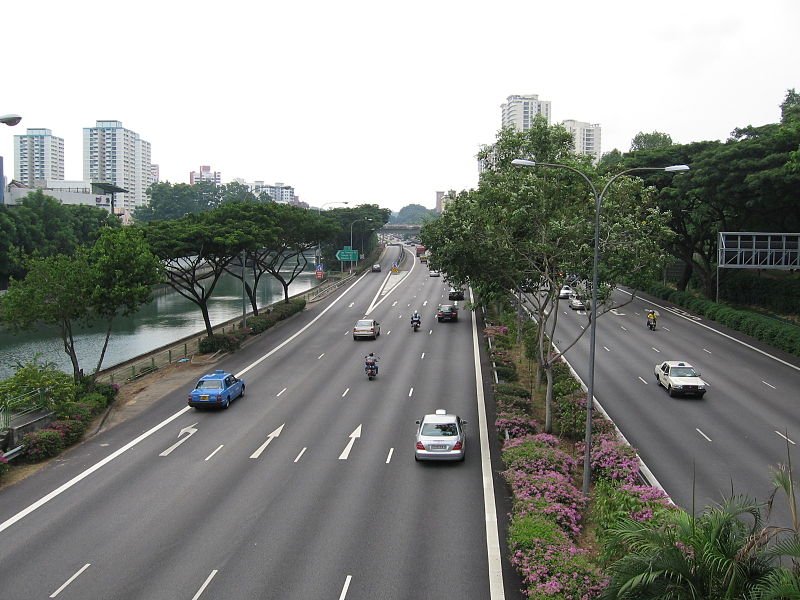
Singapore's Land Transport Authority is developing an intelligent road video platform to be rolled out in phases from 2028, using video analytics to automatically detect hazards such as illegally parked vehicles, wrong-way driving and lane-blocking objects, and alert the authorities.
Singapore's Land Transport Authority (LTA) is developing an intelligent road video platform to be rolled out in phases from 2028, using video analytics to automatically detect road incidents and hazards and alert the authorities. The LTA told The Straits Times the platform is designed to enhance its existing traffic monitoring capabilities, allowing traffic disruptions to be identified more quickly and traffic to be managed better.
Wrong-way vehicles, pedestrians on expressways and lane-blocking objects
The platform will consolidate CCTV footage from arterial roads, expressways and road tunnels, using video analytics to detect traffic incidents and collect data. It will be able to spot vehicles that have stopped unexpectedly, vehicles travelling against the direction of traffic, pedestrians or cyclists on expressways or in tunnels, and objects blocking traffic lanes, including vehicle parts, construction debris, fallen tree branches, animal carcasses and hazardous materials. It will also detect illegal parking and help establish what caused a traffic accident. According to tender documents published on the government procurement portal GeBiz on 16 October, the system will need to support at least 960 video streams from cameras at junctions and arterial roads at the same time; the tender is expected to be awarded in the second quarter of 2027.
AI trials on bus cameras running in parallel
The LTA is separately trialling an AI video analytics system that analyses footage from existing bus cameras to flag motorists entering bus lanes, illegally parked vehicles, road defects and non-compliant road works. Trials achieved an average accuracy of about 90 percent, and the system is due to be progressively rolled out from the fourth quarter of 2026. Together, the two systems aim to use video analytics to fill gaps that manual monitoring can miss.
(File photo: Singapore's Pan Island Expressway.)
💬 Comments
No comments yet. Be the first!