 N環球

South Korea's exports top $1 trillion for first time on AI chip boom
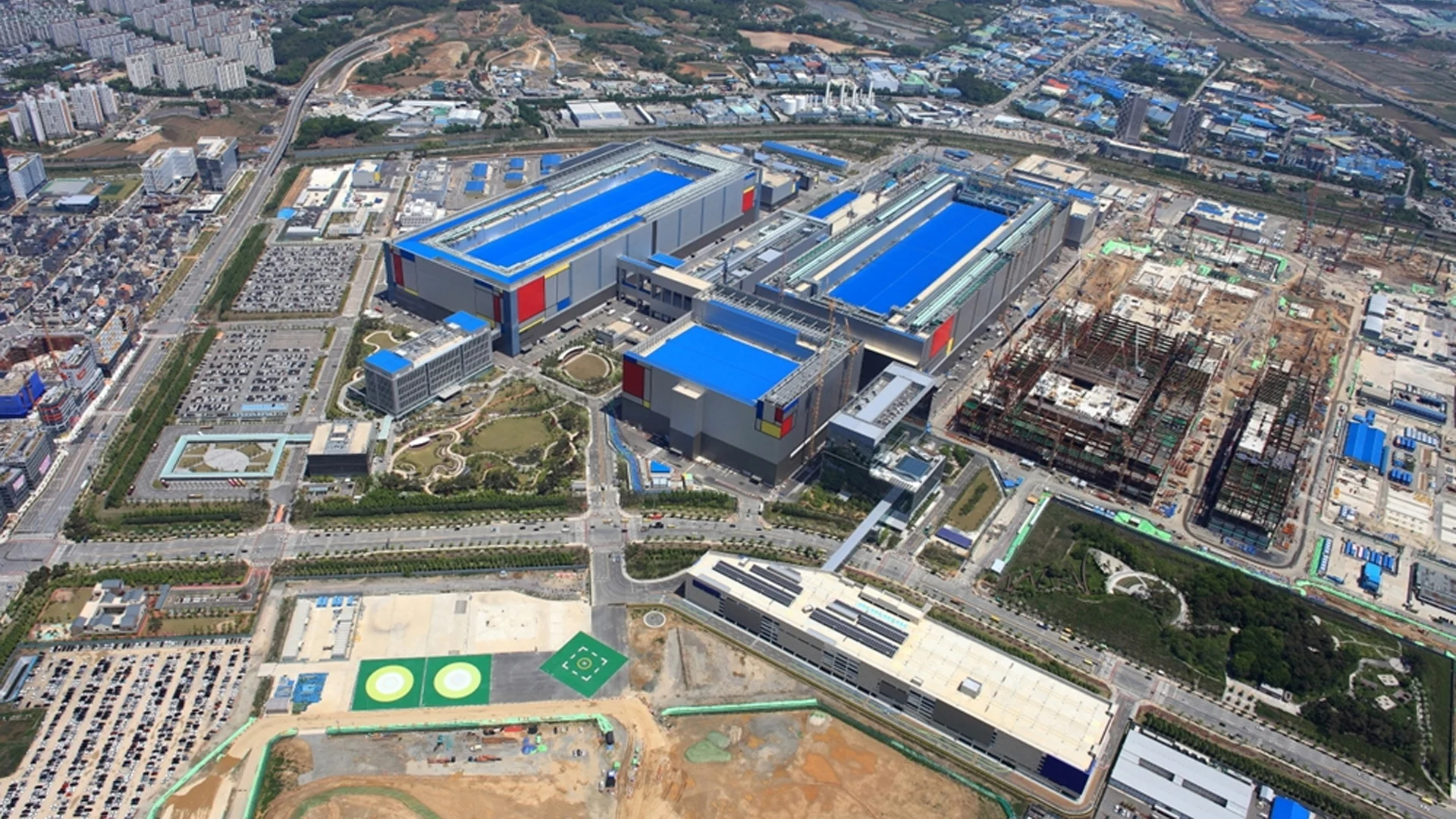
South Korea's cumulative exports for 2026 passed $1 trillion on November 19, making it the fourth country ever to cross the mark, with semiconductors making up 43% of shipments in the first ten months.
South Korea's Ministry of Trade, Industry and Resources said on November 19 that the country's cumulative exports for 2026 passed $1 trillion at 2:09 p.m. that day, making South Korea the fourth country ever to export more than $1 trillion in a single year, after Germany, the United States and China, and the first new entrant to the club in 19 years. Semiconductors were by far the main driver.
Chips were 43% of exports in the first ten months, nearly triple a year earlier
Exports totalled $930.2 billion in January-October, including $396.8 billion in semiconductors — about 43% of the total and nearly triple the $135.4 billion recorded in the same period last year. Chips accounted for 74.5% of the $351.1 billion increase in total exports over the period. October alone set a record at $115.3 billion, up 93.7% year on year, with chip exports soaring 259% to $56.4 billion, nearly half the month's total. The fixed price of a 16GB DDR5 memory module rose from $8.70 in October last year to $50 last month; computer exports reached $45.1 billion in January-October, three times the previous record.
AI infrastructure spending more than doubled, lifting both demand and prices
The ministry said capital spending on artificial intelligence infrastructure by the world's largest technology companies is expected to reach $957 billion this year, more than double the $465 billion of 2025, driving up demand and prices for memory chips. It projects full-year exports of $1.17 trillion, about 65% more than last year's record $709.3 billion, and the Bank of Korea expects exports to stay above $1 trillion this year and next. Officials cautioned that volatility in chip and fuel prices remains the main risk, and that AI infrastructure demand is expected to hold through the third quarter of 2027.
Domestic demand still weak; government sets up fund to share the chip windfall
The export boom has yet to reach ordinary households: domestic demand remains weak, and the benefits of the record exports have not trickled down to most families. The Lee Jae Myung administration plans to create a 162.3 trillion won (about $121.94 billion) Future Response Fund to channel excess tax revenue from the chip boom into growth industries, young people, regional development and education. The finance minister said last month that economic growth is expected to quicken to the mid-3% range this year on record chip exports, after expanding just 1% last year.
💬 Comments
No comments yet. Be the first!