 N環球

Spain to cut Madrid-Seville rail services as minister faces lawmakers over 69-death crash
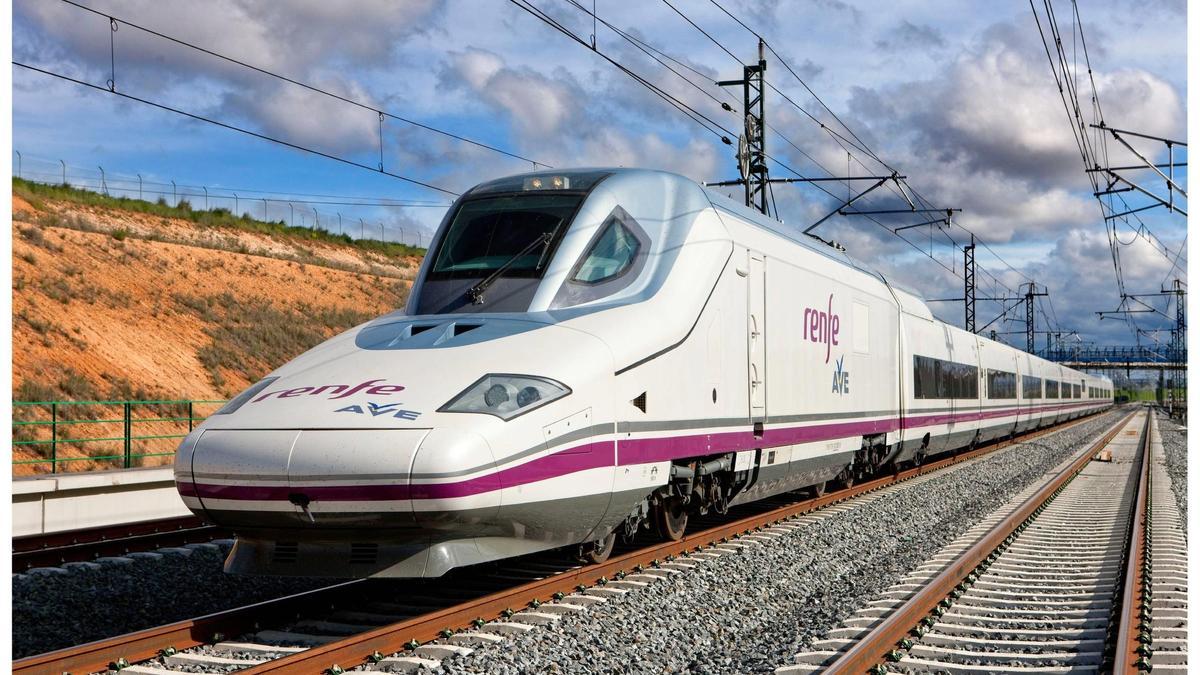
Spanish Transport Minister Oscar Puente said on November 3 that services on the Madrid-Seville line will be reduced until the Railway Safety Agency completes its review of the line's safety system and the delayed rollout of the European Rail Traffic Management System is finished; he was due to face lawmakers on Tuesday afternoon over last week's high-speed collision that killed 69 people. Prime Minister Pedro Sanchez said on November 2 the government would approve an emergency aid package, including doubling payouts under compulsory passenger insurance, advancing compensation payments and improving temporary incapacity cover. Last week's crash was Europe's worst train crash since 2013, and the second deadly collision on the same line this year after a January crash that killed 46. (Cover photo is a file photo of a Renfe AVE high-speed train, not the trains involved.)
Services on Spain's Madrid-Seville rail line will be reduced until its safety system is reviewed. Reuters reported on November 3 that Transport Minister Oscar Puente told reporters services would be cut until Spain's Railway Safety Agency reviews the line's safety system and the government completes the delayed rollout of the European Rail Traffic Management System (ERTMS). (Cover photo is a file photo of a Renfe AVE high-speed train, not the trains involved.)
Minister faces lawmakers amid resignation calls
Puente was due to appear at 5 p.m. (1600 GMT) on Tuesday before the Permanent Deputation, a reduced caretaker legislature, to answer questions about his handling of last week's crash. Reuters notes the high-speed collision has a confirmed death toll of 69 so far, making it Europe's worst train crash since 2013, and that calls for Puente's resignation have been widespread, including from coalition allies. Puente has ruled out resigning.
Aid package: doubled payouts, faster payments
Prime Minister Pedro Sanchez said on Monday the government would approve an emergency aid package doubling payouts for crash victims under compulsory passenger insurance, advancing compensation payments and improving temporary incapacity cover. Spanish newspaper El Pais, citing unidentified sources, reported that measures under consideration included a 40 kph speed limit when a train must rely on the driver's vision to see obstacles ahead if a signal system fails; that report is attributed to the newspaper's sources and has not been confirmed by officials.
What happened: signal failure and an 'inexplicable' order
The crash happened last week near the town of Urda in central Spain. Puente said on Friday that a computer failure knocked out the signalling system, and that a subsequent control-centre order for the train to resume its journey was 'inexplicable'. Investigators estimated an impact speed of 160 to 200 kph. It was the second deadly collision on the same line this year: a crash in January, involving the same companies on the same line, killed 46 people.
💬 Comments
No comments yet. Be the first!