 N環球

Toronto mayoral vote mapped poll by poll: Chow's 54.2% win, and Scarborough's key role
A November 4 poll-by-poll analysis from the University of Toronto's School of Cities shows Olivia Chow beat Brad Bradford 54.2% to 41.1%, with 58% of polls decided by 20 points or more, and Scarborough as the only outer municipality she won.
The University of Toronto School of Cities' Place & Politics team published a poll-by-poll analysis of Toronto's mayoral election on November 4, breaking down how incumbent Mayor Olivia Chow beat Councillor Brad Bradford 54.2% to 41.1%. The analysis uses official results and voting-subdivision data from the City of Toronto.
What the poll map shows
The study calls it an election of local landslides: 58% of polls, including ward-level advance and mail-in polls, were decided by a margin of 20 percentage points or more. Chow led by wide margins in the core, with leads of 20 points or more south of St. Clair in the former City of Toronto, York and East York. About 44% of her votes came from the former City of Toronto, with the rest from the inner suburbs — a core-plus strategy the team says is the only way progressive candidates have won since amalgamation.
Compared with 2023, Chow's vote share rose in every neighbourhood: her election-day share went from 34.3% to 54.7%, a citywide gain of 20.4 points. In relative terms, however, she lost ground north of Highway 401 and along the better-off northern stretches of Yonge Street and Bathurst Street, while gaining most in relative terms in the U of less-well-off neighbourhoods and in Scarborough south of the 401.
Scarborough's key role
Scarborough was the only outer former municipality Chow won: she took 81% of its election-day polls and 92% of its advance polls, for a 53% vote share. Bradford won only narrow majorities in Etobicoke and North York. The analysis also runs a counterfactual: even if the Scarborough shares were swapped, with Bradford at 53% and Chow at 40%, Chow would still have won citywide, 52% to 44% — she had enough votes everywhere else.
The team says its next post will look in more detail at what types of neighbourhoods backed each major candidate.
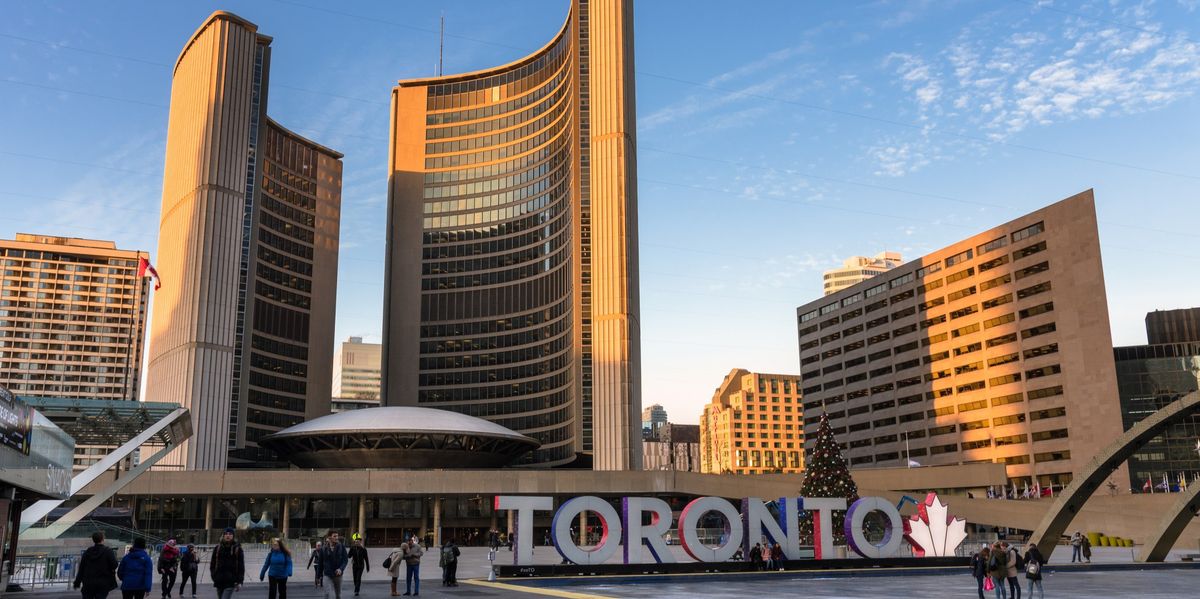
Photo: file photo of Toronto City Hall.
💬 Comments
No comments yet. Be the first!