 N環球

US Plans to Extend AI Chip Export Controls to Seven More Countries to Close Offshore Rental Loophole
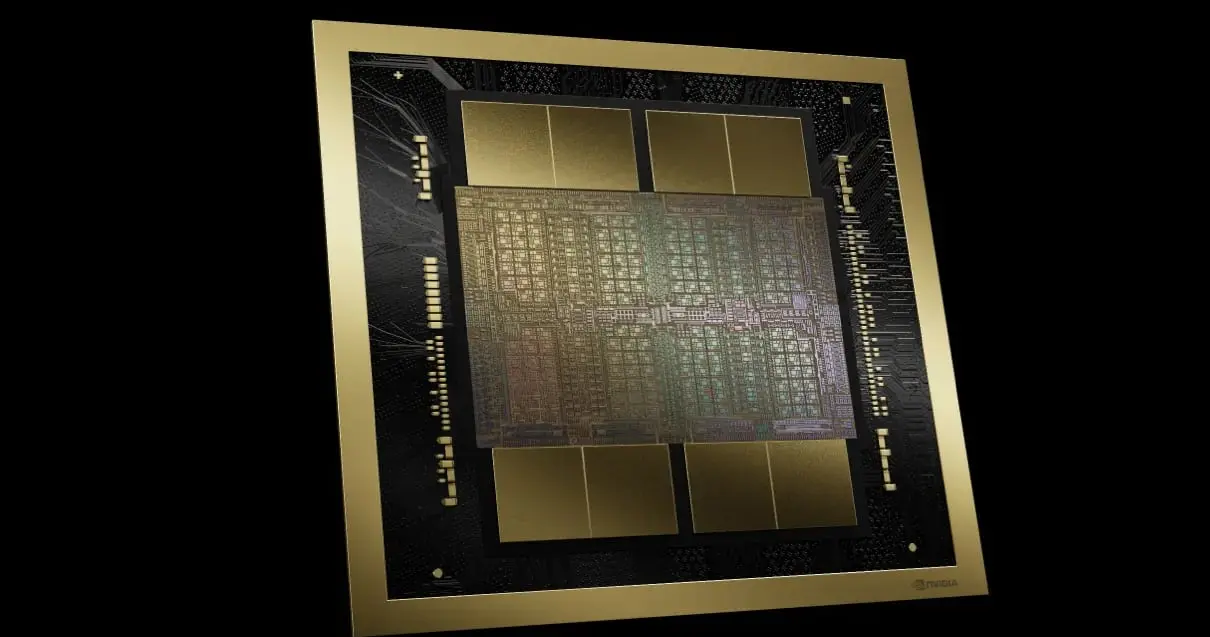
The US Commerce Department is finalising a rule to extend semiconductor export controls to seven more countries, requiring approval for imports of Nvidia Blackwell-class and more advanced AI chips, targeting Chinese AI firms' remote rental of computing power at overseas data centres.
The US Commerce Department is finalising a rule to extend semiconductor export controls to seven more countries, requiring approval for imports of Nvidia Blackwell-class and more advanced artificial intelligence chips, in a bid to close a loophole that lets Chinese AI companies rent computing power remotely at overseas data centres. The Information first reported the plan, saying the rule could be announced as early as this month.
The loophole being closed
Current US export controls govern who chips are sold to and where they are shipped, but they do not cover renting computing power: Chinese companies can use restricted Nvidia processors remotely from data centres abroad without bringing the chips into China. ByteDance, Alibaba and Tencent have all faced accusations of accessing Nvidia hardware through data centres in Thailand, Malaysia, Japan and other locations, according to reports.
The intermediary drawing the most attention is Megaspeed, a Singapore data centre operator. The New York Times, citing trade data platform ImportGenius, reported that its Malaysian affiliate bought at least $4.8 billion of advanced AI equipment between June 2024 and February 2026, and a Bloomberg investigation in December 2025 called it the largest buyer of Nvidia chips in Southeast Asia. A report dated October 19 from the US think tank Institute for Progress estimated that Chinese entities could obtain about 1.05 million H100-equivalent chips' worth of computing power in overseas data centres by the end of 2026, rising to about 2.8 million by the end of 2027, with about 75 percent concentrated in Southeast Asia.
What the new rule would require
The Commerce Department's Bureau of Industry and Security is in the final stages of drafting the rule, which would add Singapore, Malaysia, Thailand, Indonesia, Brazil, Norway and South Africa to the existing semiconductor export control list, according to the reports. Imports of Blackwell and more advanced chips would need a licence, importers would have to disclose the end user and intended use, and they would face continuing oversight. US companies running data centres in those countries could be exempt from licensing if they restrict remote access from countries under arms embargoes, such as China and Russia, but they would still have to report local customers and the scale of computing power.
The rule is still in interagency consultation and has not been formally announced, the reports said, so the final list of countries and the way it is enforced could still change, and the scope could be widened further later.
Legal authority still in question
The legal basis for the rule remains open to question. An attorney at Baker McKenzie told The Information that the Commerce Department lacks statutory authority under current law to regulate remote computing access. The House of Representatives passed the Remote Access Security Act (RASA) in January by 369 votes to 22, giving the department authority to regulate remote, cloud-based access to restricted technology, but the bill still awaits Senate action. The Wall Street Journal reported that senior lawmakers from both parties are pushing three bills to tighten semiconductor controls on China: the AI Overwatch Act, the Chip Security Act and the MATCH Act.
Context: Chinese firms rush to rent offshore capacity
A day before the report, Reuters reported that Chinese AI companies were trying to rent Nvidia-powered computing capacity at data centres outside China, fearing that the controversy surrounding Nvidia chief executive Jensen Huang could spur Washington to tighten restrictions on remote use of advanced processors (previously reported by this site). Malaysian customs announced on October 28 that it had seized 30 servers fitted with advanced AI chips on suspicion of violating export controls. Nvidia shares closed at $173.73 on November 11.
Sources: The Information, Seoul Economic Daily, ChosunBiz, Investing.com; Reuters.
💬 Comments
No comments yet. Be the first!