 N環球

US jury finds Huawei guilty on 10 counts, including trade-secret theft and Iran sanctions violations
A federal jury in Brooklyn, New York, has found Huawei and three subsidiaries guilty on 10 of 12 criminal counts, including conspiracy to steal trade secrets, wire and bank fraud, violating US sanctions on Iran and money laundering. Sentencing is set for September 2027; Huawei says it will appeal.
A federal jury in Brooklyn, New York, on Tuesday (Nov. 24) found Chinese tech giant Huawei and three of its subsidiaries guilty on 10 of 12 criminal counts, including conspiracy to steal trade secrets, conspiracy to commit wire and bank fraud, wire fraud, bank fraud, conspiracy to defraud the United States, violating the International Emergency Economic Powers Act and money laundering conspiracy. The jury acquitted the company of the most serious charges — racketeering conspiracy and conspiracy to obstruct justice. Sentencing is set for September 2027, and Huawei says it will appeal.
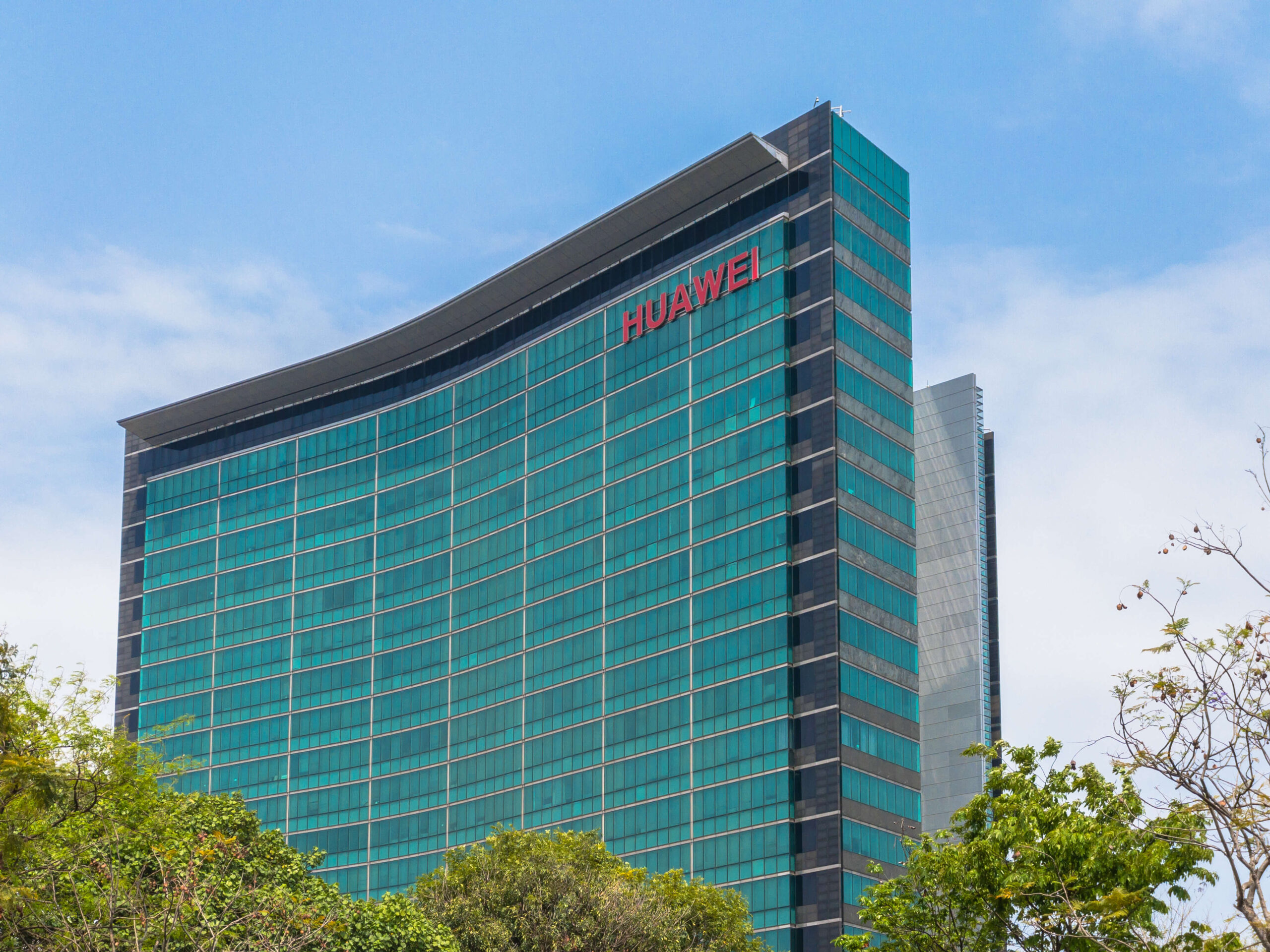
Caption: File photo: Huawei headquarters. (Photo: Albergeiger)
The evidence the jury accepted
Prosecutors accused Huawei of systematically stealing technology from American companies over many years. The jury accepted evidence that Huawei engineers left Cisco's own notes in Cisco source code and referred to Cisco by its name spelled backwards, "ocsic"; that staff signed a non-disclosure agreement before visiting T-Mobile to inspect a robot built to test mobile phones, then sent photographs and technical details of the robot back to China — and later carried one of its parts out of the lab in a backpack; and that another employee photographed Fujitsu equipment while wearing a fake badge for a company called "Weihua" — Huawei's syllables reversed.
The Iran business and sanctions charges
Prosecutors said Huawei did business in Iran through its subsidiary Skycom, building major internet infrastructure there, while lying to banks about its activities in the country to obtain billions of US dollars in financing and access to US-dollar clearing services. The Justice Department said after the verdict that Huawei had stolen Cisco's source code and used lies to gain banking services that let it operate in the global telecoms market. Huawei said in a statement that the counts on which it was convicted are "without legal or factual merit" and that the five trade-secret disputes cited by the government "were all civil matters that were resolved over the past two decades".
Background and what comes next
The case dates back to a 2020 indictment by the US Department of Justice, and the trial lasted about three months. Washington has already banned Huawei's telecoms equipment and personal devices from sale in the United States and spent billions helping American carriers rip out and replace Huawei kit. After the verdict, lawmakers have little appetite to let the company back into the US market. The sentencing outcome and the appeal will decide how this years-long case finally ends. (Sources: The Register; US Department of Justice; Huawei statement)
💬 Comments
No comments yet. Be the first!