 N環球

WSJ: Singapore broker arranged about $12B in Nvidia chip orders for Chinese buyers as US readies Southeast Asia export rules
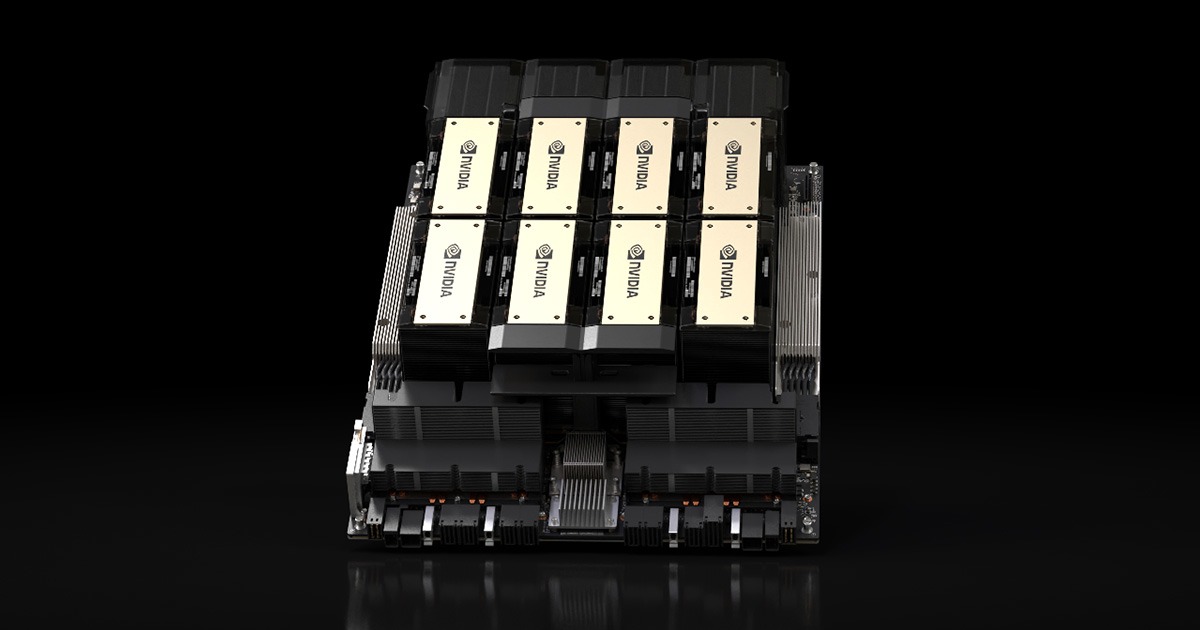
The Wall Street Journal reports that Singapore-based broker Megaspeed arranged about $12 billion in Nvidia chip orders for Chinese firms between March 2024 and June 2025; the US Commerce Department is drafting rules requiring export permits for Blackwell-class chips bound for Southeast Asia and banning their remote use by Chinese clients.
The Wall Street Journal reported on November 15 that Singapore-based broker Megaspeed arranged about $12 billion in Nvidia chip orders for Chinese firms between March 2024 and June 2025, and that the US Commerce Department is preparing new rules requiring export permits for Blackwell-class chips bound for Southeast Asia, with conditions banning their remote use by Chinese clients — a move aimed at closing the "rented compute" route around export controls.
$12 billion in orders and the rented-compute route
Citing shipment records, the report said Megaspeed arranged about $12 billion in Nvidia chip orders for Chinese buyers over roughly 15 months, though the records did not establish how much hardware was actually delivered. It also said Nvidia chief executive Jensen Huang personally built the Asia route, under which Chinese firms could rent computing power on Nvidia servers in data centres in Malaysia, Singapore and Indonesia without importing the hardware into China.
The route exists because US export controls were written for hardware crossing borders: selling chips to China requires a licence, but a Chinese firm renting time on a server in a third country moves no hardware into China, putting it outside the reach of the existing rules.
The new rules Washington is drafting
According to the reporting, the Commerce Department's draft rules would require export permits for Blackwell-class chips — Nvidia's newest generation of AI chips — bound for Southeast Asia and other countries, with conditions banning their remote use by Chinese clients. Bloomberg reported on November 14 that Southeast Asia faces firmer curbs and that legislation could pass by year-end.
Reporting published on November 12 said the draft extends licensing to seven countries — Malaysia, Singapore, Thailand, Indonesia, Brazil, Norway and South Africa — covering Blackwell and the next-generation Rubin processors, with publication in the Federal Register expected in late November. The rules are not final, and the exact list of countries and technical thresholds could still change.
Fifth person charged in Singapore; Malaysia opens probe
Bloomberg reported that Singapore charged a fifth person on Friday in an AI-server fraud case, while Malaysia is investigating whether AI chips brought into the country were subsequently shipped overseas. Earlier in the week, reporting also said Chinese AI companies were using Blackwell chips through leasing arrangements, drawing attention to the loophole.
Responses
Megaspeed says it complies with US export-control law and has hired a US law firm to audit its graphics chips; no violation has been publicly established. Nvidia has not been accused of wrongdoing. The reporting stresses that the rules are not final and the legislative outcome remains uncertain.
What to watch
Markets will now watch for the formal text of the Commerce rules, whether more countries are added, and whether the Singapore fraud case leads to enforcement action. Nvidia closed Friday at $162.85, down 2.01%; its market value has fallen from about $5.8 trillion in early October to roughly $4 trillion. Nvidia reports earnings on November 17, when management's comments on export controls will be in focus.
💬 Comments
No comments yet. Be the first!