 N環球

OpenAI backs three bills to tighten AI chip export controls on China
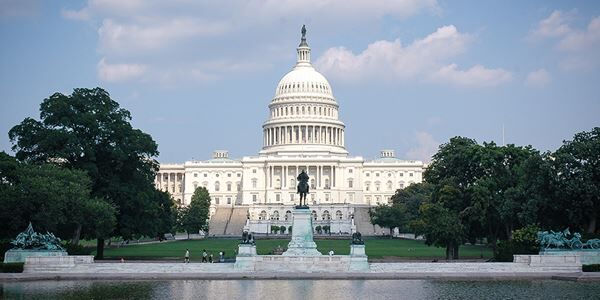
Bloomberg and Punchbowl News report OpenAI has privately told US lawmakers it supports three bipartisan bills tightening exports of advanced AI chips and chipmaking equipment to China; lawmakers aim to attach them to the defence bill that must pass before year-end.
OpenAI has privately told several US lawmakers it supports three bipartisan bills tightening exports of advanced artificial intelligence chips and chipmaking equipment to China, Bloomberg and Punchbowl News reported on November 12. Citing people familiar with the matter, the reports say OpenAI confirmed to Congress this week that it would back the measures, though the position has not been made public. The news comes in the week Nvidia co-founder Jensen Huang resigned as chief executive, sharpening congressional attention on chip diversion and export controls.
Three bills, three links in the chain
The Chip Security Act would require location-verification and other security mechanisms on export-controlled AI processors, to detect chips diverted through third countries to restricted users. The AI OVERWATCH Act would expand congressional review when the Commerce Department adjusts advanced chip export rules, and freeze the current rules on which chips can be sold to China for at least 18 months. The MATCH Act would press allies to raise their restrictions on selling chipmaking equipment to China to US levels, tightening sales and servicing by equipment suppliers in the Netherlands, Japan and elsewhere. All three were introduced with bipartisan support, and their House versions have cleared the Foreign Affairs Committee.
Attached to the defence bill — no deal yet
Lawmakers are seeking to attach the three bills to the annual defence authorisation bill, which must pass before the end of the year. Senate Majority Leader John Thune and Armed Services Committee chair Roger Wicker said on November 12 that negotiators had not yet reached a final agreement. House Speaker Mike Johnson said the same day that consensus was forming in Congress around tighter chip curbs, and Senate Democratic leader Chuck Schumer also voiced support. The Trump administration, however, is wary of measures that could upset the US-China trade truce, which expires on January 10.
A pivot that puts OpenAI alongside Anthropic
The stance marks a pivot for OpenAI. On October 20, Politico reported that OpenAI had stopped pressing Congress for strict limits on advanced chip sales to China, a shift widely linked to the company's deepening financial ties with Nvidia. OpenAI's global affairs chief, Chris Lehane, has publicly argued that stronger controls would buy time to build AI safety standards and international coordination. Fellow AI developer Anthropic has publicly backed all three bills. OpenAI is also developing its own AI chip, codenamed Jalapeño.
Sources: Bloomberg; Punchbowl News; Politico. OpenAI has not published a public statement; the reports cite anonymous people familiar with the matter.
💬 Comments
No comments yet. Be the first!