 N環球

Staera Semiconductor emerges from stealth with $4.6M to build light into the chip and break AI's data bottleneck
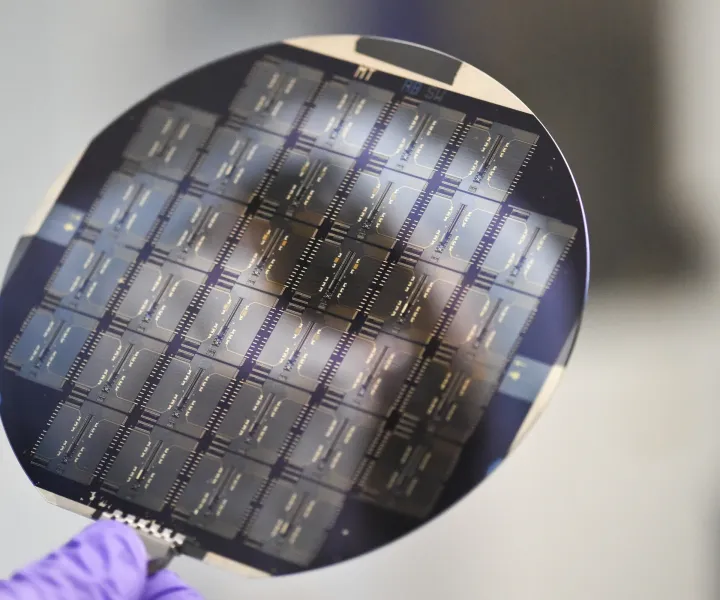
San Francisco semiconductor startup Staera Semiconductor has emerged from stealth with Lightwire, a technology that builds optical data links directly into silicon chips to tackle the data-movement bottleneck limiting AI systems; the company raised $4.6 million in pre-seed funding and targets a commercial release in 2030.
San Francisco semiconductor startup Staera Semiconductor has emerged from stealth with a technology that builds optical data links directly into silicon chips, targeting the data-movement bottleneck that now limits how fast and how large AI systems can grow. The company also announced it has raised $4.6 million in pre-seed funding, led by Openspace Capital.
Copper cannot keep up with compute, so the chip turns to light
According to the company, AI chips now compute faster than copper wiring can feed them, making the movement of data between chips the limiting factor for scaling. Staera's first product, Lightwire, replaces those copper links with light generated inside the chip itself, made with the same process and on the same wafer as the chip's circuits. The company says it has built gallium nitride LEDs into silicon chips in commercial foundries since 2016, with processes now running at 98 to 99 percent yield. Lightwire is built inside the bridge or interposer chip that already connects processors and memory in today's AI hardware, so it works with existing packaging.
$4.6 million pre-seed round; commercial release targeted for 2030
The round was led by Openspace Capital, with participation from SGInnovate, Black Kite Capital, 28 Holdings, In Group and Decimus Technologies. The company said the funding will be used to advance its technology, expand its team and deepen engagement with customers and supply chain partners, targeting a commercial release in 2030. Staera, formerly New Silicon Corporation, won third place in the startup competition at the IEEE Electronic Components and Technology Conference (ECTC) in May 2026. The International Energy Agency expects data centre electricity use to more than double, from about 415 terawatt-hours in 2024 to around 945 terawatt-hours by 2030, putting the energy cost of moving data in focus. Lightwire remains at an early stage, however, and its commercial timetable and real-world performance are yet to be proven.
Source: PR Newswire, 10 November 2026.
💬 Comments
No comments yet. Be the first!