 N環球

Washington: Senate votes 73-25 to take up energy permitting bill as hundreds protest at the Capitol over historic preservation
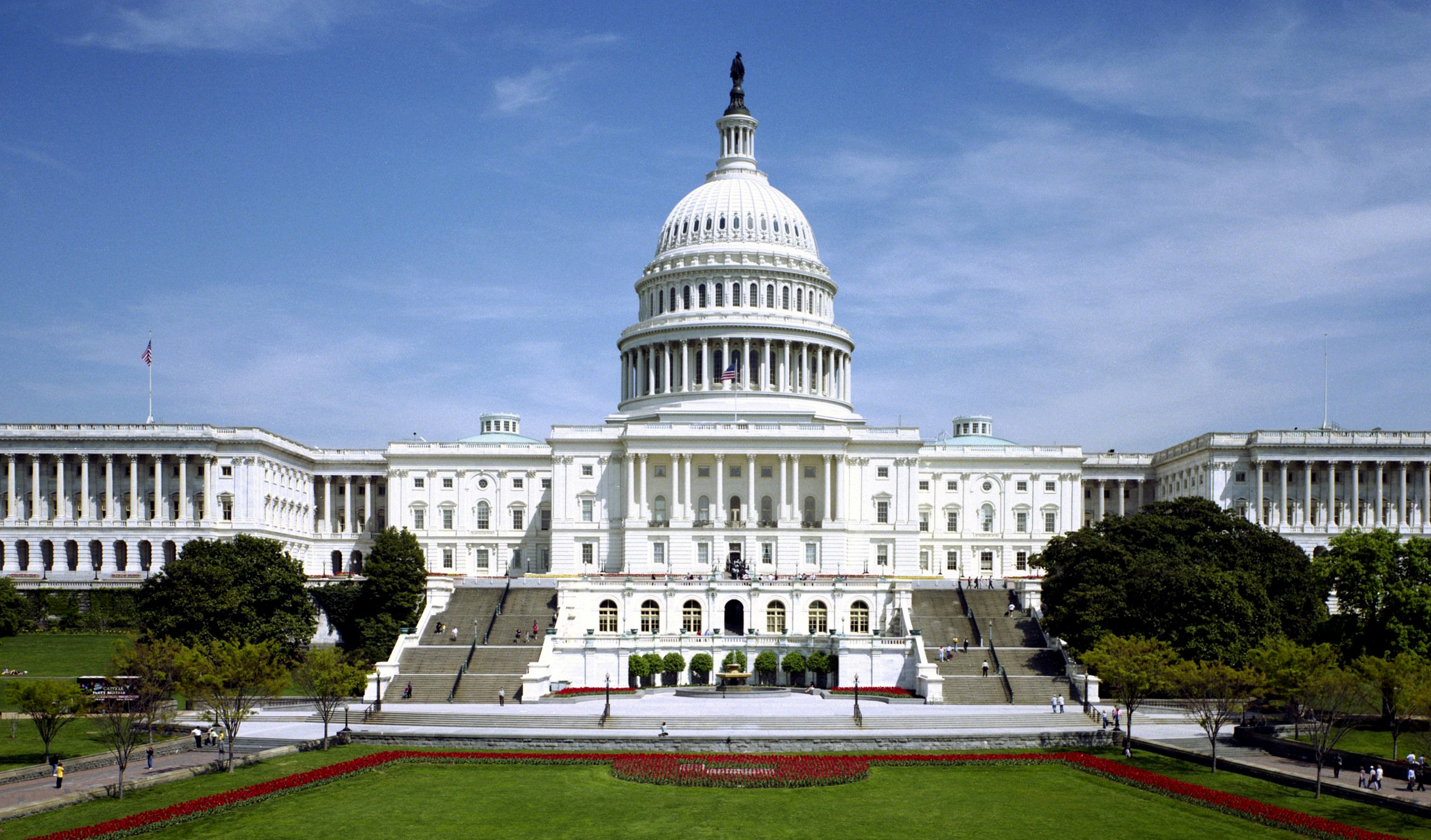
The U.S. Senate voted 73-25 on the evening of November 9 to invoke cloture on the motion to proceed to the Bipartisan American Affordability and Jobs Act (BAAJA), a nearly 500-page bill that would overhaul permitting for energy and infrastructure projects, including rewriting Section 106 of the National Historic Preservation Act. About 800 protesters gathered on the Capitol's West Lawn at midday. The bill has not passed and still faces debate, amendments and a House vote.
The U.S. Senate voted 73-25 on the evening of November 9 to invoke cloture on the motion to proceed to the Bipartisan American Affordability and Jobs Act (BAAJA, Senate bill S.5653). The vote, held at about 5:30 p.m. Eastern, opens debate on the bill; it is not final passage. The measure still faces Senate debate and amendments, a final Senate vote and consideration in the House. At midday, about 800 protesters gathered on the Capitol's West Lawn, opposing the bill's rewrite of Section 106 of the National Historic Preservation Act and urging the Senate to drop or strip the provisions. (Photo: file photo of the U.S. Capitol. Photo: Aldar News.)
The protest on the Capitol lawn
Representatives from more than 100 tribal nations, members of Congress, and leaders from the Association of African American Museums, the DC Preservation League, the American Institute of Architects and the Archaeological Institute of America gathered for the midday rally, according to The Art Newspaper. Title III of the bill would rewrite Section 106 of the National Historic Preservation Act — the provision that requires federal agencies to notify and consult the public and tribal nations before projects can harm places of religious and cultural importance. New Mexico Representative Melanie Stansbury called the bill a "dirty deal", saying it was created without tribal consultation or public input; California Representative Jared Huffman noted that the nearly 500 pages of new legislative text were released just 48 hours before the Senate was set to vote, describing it as "the most sweeping legislation we've seen on energy and environmental policy in decades".
What the bill would change
BAAJA was introduced on September 30 by two Republican senators, Shelley Moore Capito and Mike Lee, and two Democrats, Sheldon Whitehouse and Martin Heinrich; a 494-page substitute amendment was released on November 7. The bill aims to shorten federal review timelines and narrow which projects trigger in-depth environmental scrutiny: it would redefine a "major federal action" under the National Environmental Policy Act, limit courts' ability to enforce NEPA compliance, change how interstate transmission lines are approved, limit certain uses of the Clean Water Act and the Endangered Species Act in permitting, and restrict opportunities to sue over federal permitting decisions. It has backing from much of the fossil fuel industry and some clean-energy advocates; major environmental groups, civil-liberties organisations and tribal representatives oppose it, saying it weakens protections and reduces consultation.
What happens next
With cloture invoked, the bill moves to floor debate, where senators can still offer amendments, including removing Title III. Senator Catherine Cortez Masto of Nevada has said she will offer an amendment to strike language she objects to and will vote against final passage if it stays. Tribal organisations including the National Congress of American Indians, the Native American Rights Fund and the National Association of Tribal Historic Preservation Officers have jointly urged Congress to hold the bill until the next Congress can conduct meaningful tribal consultation, or remove Title III entirely. The November 7 substitute amendment dropped a federal takeover of Tribal Historic Preservation Officer functions and added technical assistance and more time to object, but tribal organisations say the core problems remain. President Donald Trump has urged senators to support the bill. The current Congress ends in early January 2027; if the bill does not pass by then, it dies and would have to start over in the new Congress.
💬 Comments
No comments yet. Be the first!