
United States · Economy / trade compliance ·
Investigation finds Vietnam garment makers linked to sanctioned Chinese cotton group shipped at least $5 million in goods to US
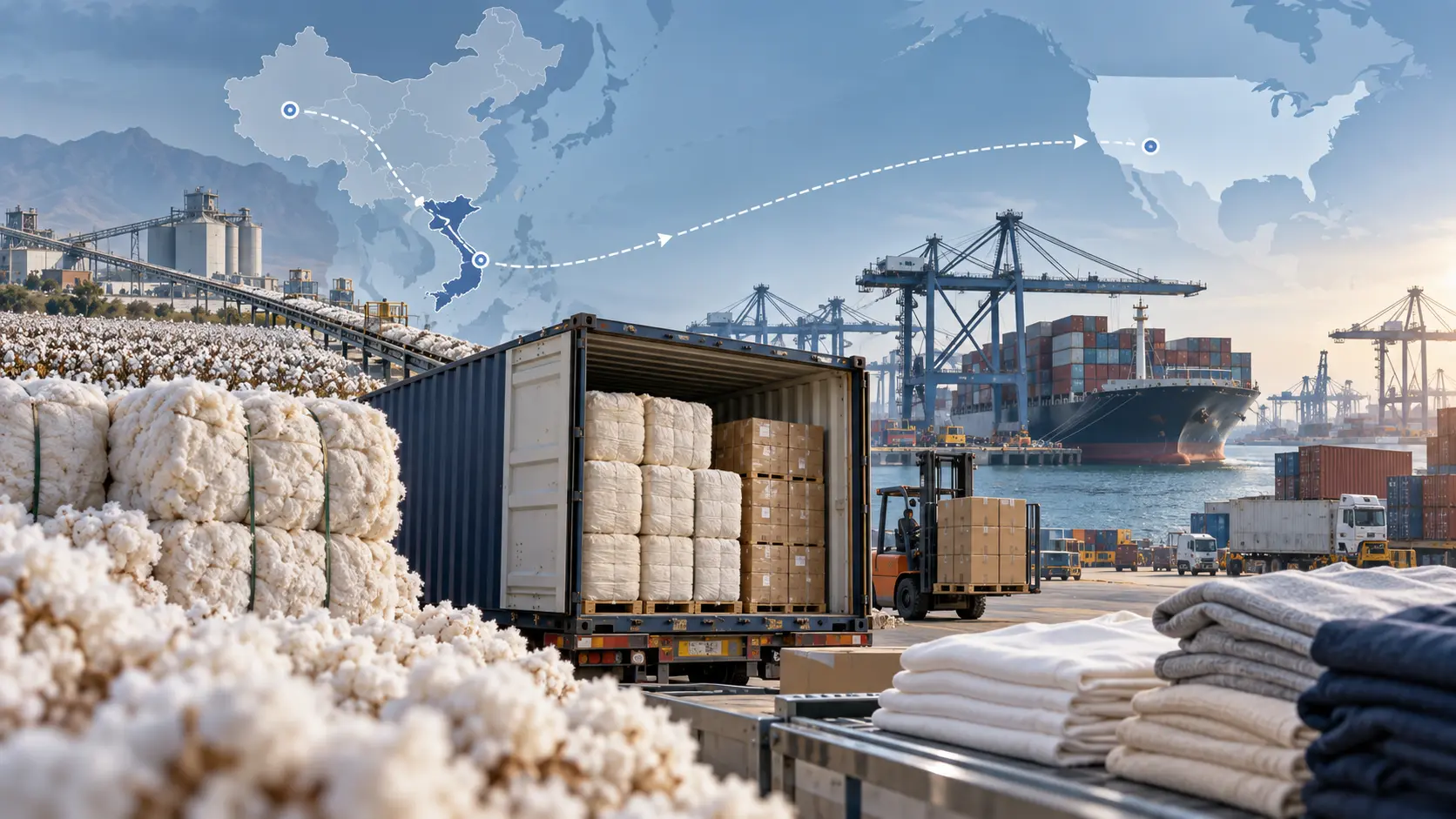
Reuters, citing shipment and corporate records, reported that three Vietnamese garment makers with multiple links to Chinese textile group Esquel exported at least $5 million in cotton goods to the United States after Esquel was added to a US forced-labor restriction list in 2024. Reuters could not establish whether the apparel contained cotton from Esquel or Xinjiang.
Why it matters
The findings expose a traceability and enforcement gap under the US Uyghur Forced Labor Prevention Act that may affect apparel brands, importers and consumers assessing raw-material origins. Corporate links and trade flows are documented, but the cotton content of specific garments remains unproven.
Full report
Reuters published the investigation at 04:01 UTC on September 25. It said Vietnam-based An Loi Apparel, Tessellation Binh Duong and Tessellation Hoa Binh exported at least $5 million in cotton goods to the United States after Esquel was added to the Uyghur Forced Labor Prevention Act Entity List in November 2024. The amount comes from shipment records and does not itself establish a legal violation.
All three companies previously used regional variations of the name Esquel Garment Manufacturing Vietnam and were renamed after October 2022. Corporate filings reviewed by Reuters showed the same three offshore firms owned them before and after the renaming, and former Esquel chief executive Edgar Tung had been listed as an owner's representative. The manufacturers and Esquel did not answer questions about their relationship and exports.
Customs data showed Esquel sent about 70% of its Chinese cotton exports, worth roughly $34 million, to the three Vietnamese manufacturers between November 2024 and June 2026. The factories also bought from other suppliers, however, and Reuters explicitly said it could not determine whether apparel shipped to the United States contained Esquel or Xinjiang cotton.
Muji and Rodd & Gunn confirmed sourcing from the Vietnamese plants but said they were unaware of links to Esquel. Muji said it planned to audit one plant this year. Rodd & Gunn said it required partners to use only US, Brazilian and Australian cotton and collected chain-of-custody documents. Neither announced an immediate sourcing halt because of the findings.
US Customs and Border Protection did not comment directly on the Reuters findings, saying only that companies should remove suppliers using forced labor or require changes. Reuters reported that US authorities detained about $2.6 million in apparel under the law from roughly $28 billion shipped from Vietnam during the period, and more than half of the detained goods were later released.
This report does not treat corporate connections as proof that every garment contained restricted cotton, and it does not make an unadjudicated finding of illegality against any brand. The accompanying image is an N Globe editorial illustration, not documentary footage of a factory or port. Verification status: confirmed. News value: B-level important news. Origin region: United States. Primary section: Economy. Related regions: China, Vietnam, Asia and World. Source time: September 25, 2026, 04:01 UTC. Report time: September 25, 2026, 04:31 UTC.
This report is an original summary based on verified sources, not a verbatim reproduction.
READER COMMENTS
Share your view on this story
Loading comments…