 N環球

Australia's September inflation rises to 4.3% as housing and fuel push prices up, sharpening pressure before the RBA's November 3 decision
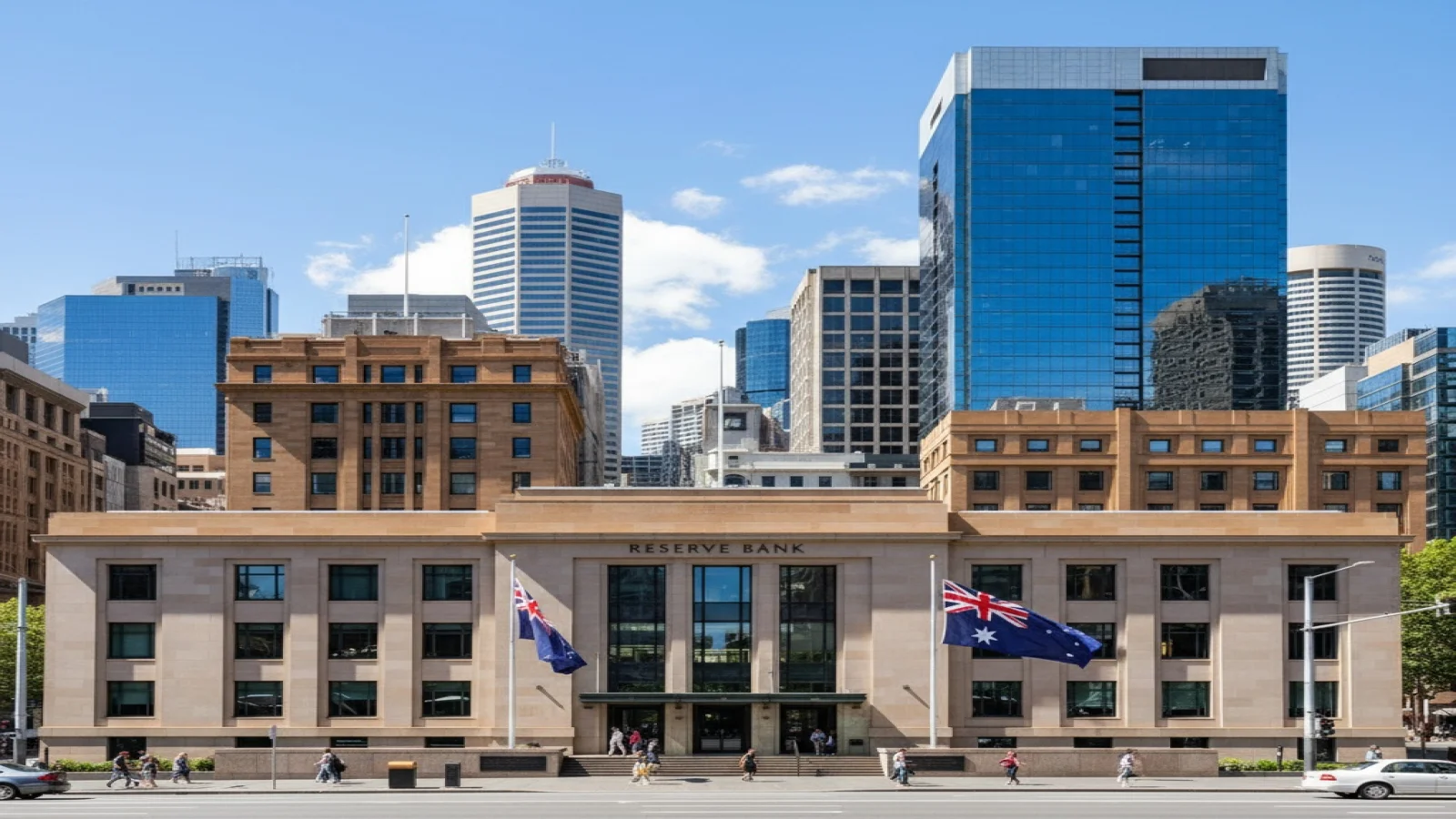
The Australian Bureau of Statistics reported on October 28 that the consumer price index rose 4.3% in the year to September, up from 4.0% in August; housing rose 5.2% as the largest contributor and transport rose 8.7%, while the Reserve Bank's preferred core gauge, the trimmed mean, was 3.6%. The cash rate stands at 4.6%, and market bets on another rise on November 3 jumped after the release.
The Australian Bureau of Statistics reported on October 28 that Australia's consumer price index (CPI) rose 4.3% in the 12 months to September, up from 4.0% in the 12 months to August and above the market forecast of 4.2%. It is the last key inflation reading before the Reserve Bank of Australia's November 3 policy decision, and it sharply increased expectations of another rate rise.
Housing and transport drove the rise
ABS head of price statistics Rachael McCririck said housing was the largest contributor to annual inflation in September, rising by 5.2%, reflecting rising costs for both new dwellings and electricity; new dwelling prices rose 4.7% in the 12 months to September. Transport was the second largest contributor, rising by 8.7%, due to higher automotive fuel prices: fuel prices rose 9.4% in September on a monthly basis, down from 14.8% in August, driven by higher world oil prices. The central bank's preferred core measure, the trimmed mean, was 3.6% on an annual basis, up from a revised 3.5% in August.
Central bank officials had already warned the outlook worsened
The cash rate already stands at 4.6%, its highest level in 15 years, and it feeds through to lending rates, including home loans. Reserve Bank deputy governor Andrew Hauser described the numbers as too high when he appeared before Senate estimates on Wednesday, shortly after the data was published, warning of a serious risk that expectations of persistently higher prices could take hold among households and businesses, while noting that he did not believe that risk had yet materialised. He had warned last week that the inflation outlook looked materially worse than the Bank had forecast in August. After the release, market pricing put the chance of a November 3 rise at about 85%. This article reports published data and market reaction only and makes no forecast of the Bank's decision.
💬 Comments
No comments yet. Be the first!