 N環球

Calgary bike lanes become a province-versus-city fight as Alberta's Bill 43 seeks control; taxpayers may foot removal bill
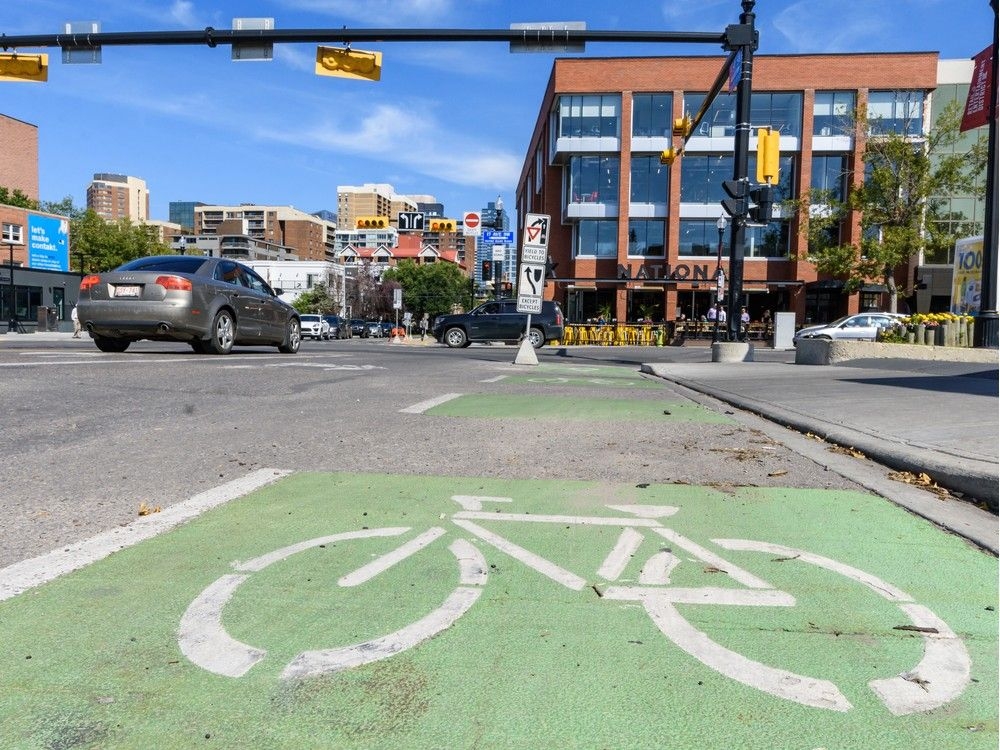
Alberta tabled the Safe and Sensible Roads Act (Bill 43) on Thursday: municipalities would need the transportation minister's written approval before building bike lanes that reduce road capacity, and the minister could order existing lanes removed, with cities paying the cost. Calgary councillors call it an overreach, with removal costs potentially in the hundreds of millions.
The Alberta government introduced the Safe and Sensible Roads Act (Bill 43) on Thursday (November 19), seeking tighter control over municipal bike lanes: cities would need written approval from the provincial transportation minister before building new bike lanes that reduce road capacity for motor vehicles, and the minister could order existing lanes that reduce capacity to be removed, with the cost borne by municipalities, ultimately by local taxpayers. If passed, the bill would take effect on April 1, 2027. Calgary councillors called the move an overreach, warning removal costs could run into the hundreds of millions.
What the bill does: new lanes need provincial sign-off, existing ones can be removed
The bill was introduced by Devin Dreeshen, Minister of Transportation and Economic Corridors. Beyond bike lanes, it includes tougher penalties for unsafe commercial trucking, provincial minimum safety standards for personal micro-mobility devices such as private e-scooters, and stronger provincial oversight of LRT projects. Dreeshen said the province opened a complaint portal earlier this year to collect residents' grievances about bike lanes, and that it will first work with Calgary and Edmonton to collect data on particular roads identified as problem bike routes before deciding which lanes "don't actually cut the mustard." He said the province supports bike lanes in proper corridors, such as LRT rights-of-way and public land.
The province's case: protect traffic flow, emergency vehicles and freight
"As our population continues to grow, we need to make sure transportation infrastructure works for all road users, and that transportation decisions are based on data and what works for our communities," Dreeshen said. He said Albertans had raised concerns that some bike lanes reduce existing road capacity and parking, increase congestion, and hinder the efficient movement of emergency vehicles. "This legislation would allow the province to restrict or remove bike lanes that reduce road capacity for motor vehicles." Asked about removal costs, Dreeshen said cities would pay, ultimately shouldered by municipal property taxpayers, and that the most cost-effective way would be to remove lanes during road repaving projects.
City pushback: overreach and steep costs
Ward 8 Coun. Nathan Schmidt said that for a province wanting to cut red tape, the bill adds more layers of approvals, tear-outs and data collection to prove a bike lane is warranted. "They're putting this into a process where we have to check with our parents every time we're going to do anything, and so much control is going into the hands of the minister, where our hands are functionally tied to do work that we've been doing for over a decade now," he said. He pointed to 26 Avenue SW, one of the streets Dreeshen identified as a concern: the overall project was $23 million, with about $2 million of it related to the bike lanes, no traffic lanes were removed, only some street parking was eliminated, and the work came with utility upgrades, sidewalk improvements, trees and new signage. "So, if they tell us that we need to rip this up, then some of that other work is going to have to be redone, and that is going to come at a big cost for something that is effectively brand new."
Ward 5 Coun. Raj Dhaliwal said he wished there had been more engagement with the cities before the province rolled out the legislation, calling it the latest example of the province using an "iron fist" with municipalities when dealing with an issue that isn't an ideological match for the United Conservative Party, and hypocritical at a time when the province talks about federal interference in provincial matters. "Here's the thing: if they want to rip out those bike lanes, well, guess what? Be my guest, but pay for it because Calgary taxpayers have already paid for it," Dhaliwal said. Edmonton Mayor Andrew Knack said removing existing lanes in Edmonton alone would cost at least $150 million; CUPE Alberta estimated about $150 million each for Edmonton and Calgary. The City of Calgary said money for potential bike lane removals was not included in the upcoming proposed four-year budget, and that it provided the province with bike lane data over the summer but has received no further formal requests for data related to the new legislation since. Calgary Mayor Jeromy Farkas is scheduled to respond on Friday (November 20).
💬 Comments
No comments yet. Be the first!