 N環球

Canada tables Budget 2026: $400B investment push, up to $50,000 help for first-time buyers
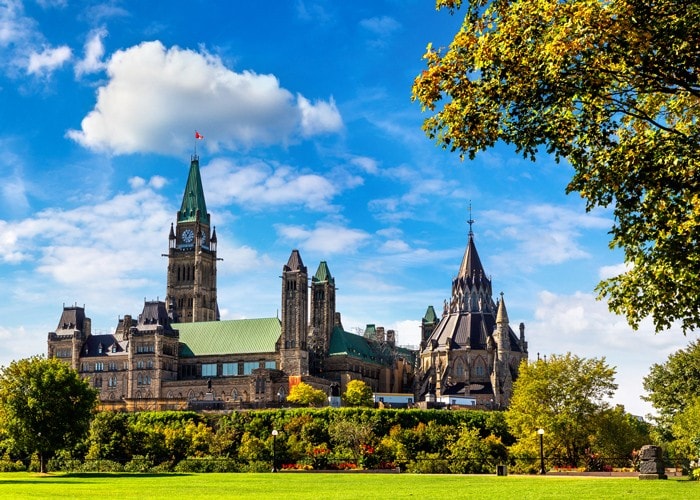
Finance Minister François-Philippe Champagne tabled Budget 2026, 'Masters of our destiny,' on November 5: $400 billion in capital investment over six years, $22 billion in new affordability measures, and direct program spending growth cut from 8% to 2%.
Finance Minister François-Philippe Champagne tabled Budget 2026, entitled 'Masters of our destiny,' in the House of Commons on November 5 at 4 p.m., built on three pillars — investment, productivity and affordability: $400 billion in capital investment over six years, $22 billion in new affordability measures over five years, and direct program spending growth lowered from 8% to 2%.
Productivity Mega Deduction leads the investment push
At the heart of the budget is the new Productivity Mega Deduction: businesses will be able to immediately deduct the full cost of most new investments. The government expects it to add about $22 billion a year to GDP over ten years and support up to 80,000 jobs. A new Canada Strong Fund and the Canada Growth Incentive are meant to keep Canadian and global capital investing in Canada.
Doubling grid capacity and energy sovereignty
The budget funds the Canada Electricity Strategy, aiming to double grid capacity by 2050, with about $50 billion in related investment, while accelerating electrification, grid modernisation and clean power expansion. It also invests in nuclear energy and critical minerals to strengthen Canada's position as a global energy superpower, create high-paying jobs and grow exports.
Affordability: groceries, housing and caregivers
On affordability, the budget offers $22 billion in new measures over five years: an enhanced Canada Groceries and Essentials Benefit with a 2027 supplement, an expanded Nutrition North Canada to lower food prices, a fully refundable Canada Caregiver Credit, up to $50,000 in savings for first-time buyers of a new home, support for one million energy-efficient home retrofits to cut monthly energy bills, and help for Canadians to get a better mortgage deal.
Immigration in the plan; fiscal anchors met early
The budget folds immigration levels into spending projections: 380,000 new permanent residents a year through 2028, with temporary residents — including international students and workers — reduced to 5% of the population. On the fiscal side, the government says it will balance day-to-day operating spending with revenues by 2027-28, a full year ahead of schedule, with the deficit-to-GDP ratio on a declining path. But the Parliamentary Budget Officer's fall forecast puts the 2026-27 deficit at $63.3 billion, with debt-to-GDP rising from 41.1% to 42.6% by the end of the decade.
Culture, sport and Indigenous Peoples
The budget also funds arts, culture, heritage and journalism through a flagship Canada 160 Fund, a renewed Canada Strong Pass, permanently free admission to national museums for children and youth under 25, and $1.5 billion to expand, retrofit and rehabilitate ice rinks and recreational facilities. Investments advancing reconciliation with Indigenous Peoples exceed $50 billion, alongside stronger defence capabilities and support for Canadian Armed Forces members and their families.
Tabling the budget, Champagne said that in the face of geopolitical competition, protectionism and U.S. tariff pressure, Canada must be 'masters of our destiny,' building on its natural resources, clean energy and talent to become the destination of choice for global investors.
💬 Comments
No comments yet. Be the first!