 N環球

House of Commons passes 2026 budget 162–151, lifting early-election threat for Carney government
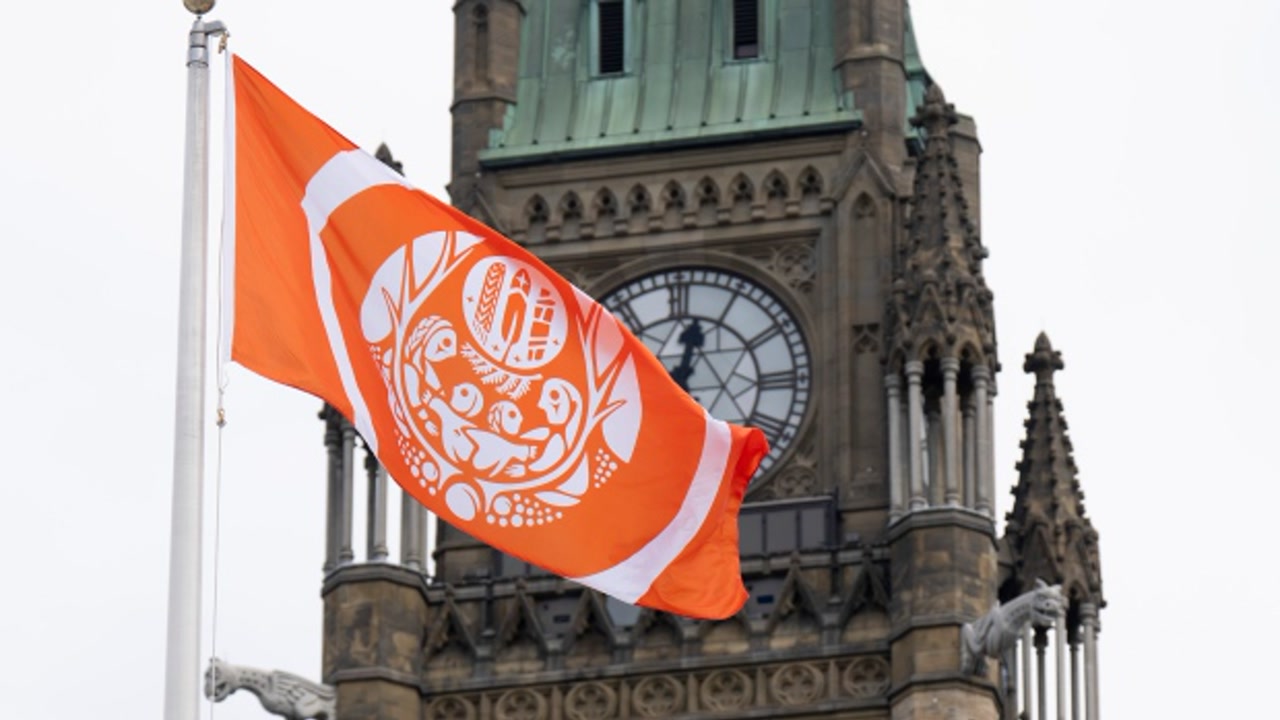
The House of Commons passed the 2026 federal budget on Thursday evening by 162 votes to 151, removing the threat of an early election over the spending plan for Prime Minister Mark Carney's minority Liberal government.
The House of Commons passed the 2026 federal budget on Thursday evening by 162 votes to 151, removing the threat of an early election over the spending plan for Prime Minister Mark Carney's minority Liberal government.
Photo above: file photo of Parliament Hill in Ottawa.
The budget was tabled on November 5 by Finance Minister François-Philippe Champagne under the title “Maîtres Chez Nous” (“Masters of Our Destiny”). Liberal MPs cheered and applauded as the Speaker announced the result, and Champagne raised his arms in triumph.
What is in the budget
Budget 2026 plans $151.5 billion in new spending over five years. Total federal spending next year will reach $602 billion, and the federal debt stands at $1.366 trillion, or 39.9 per cent of gross domestic product. The centrepiece is a $36-billion productivity mega deduction designed to encourage businesses to invest in new machinery and lift worker productivity.
The budget also provides $11.2 billion over four years, starting in 2027–28, for a plan to end homelessness; tops up the Groceries and Essentials Benefit for lower-income families; creates a Canada Creative Credit offering tax recognition on up to $45,000 of annual income from original artistic work; and revamps the Canada Workers Benefit as the “Build Canada Workers Benefit,” with workers qualifying from the first $500 of working income instead of the first $3,000.
Analysis by the Toronto Star notes that about one-third of the new measures — roughly $48 billion — are directed to individual Canadians, with the remaining roughly $98 billion aimed at encouraging growth and investment.
What happens next
Passing the budget vote is only the first step. The government will now table one or more budget implementation bills, which must go through committee studies and votes and may be amended before becoming law. Parliamentary Budget Officer Annette Ryan published a series of reports this week scrutinizing the budget's fiscal impact.
💬 Comments
No comments yet. Be the first!