 N環球

Canada sets tariff-rate quota on imported canned vegetables: 13 million kg in year one, 50% above it
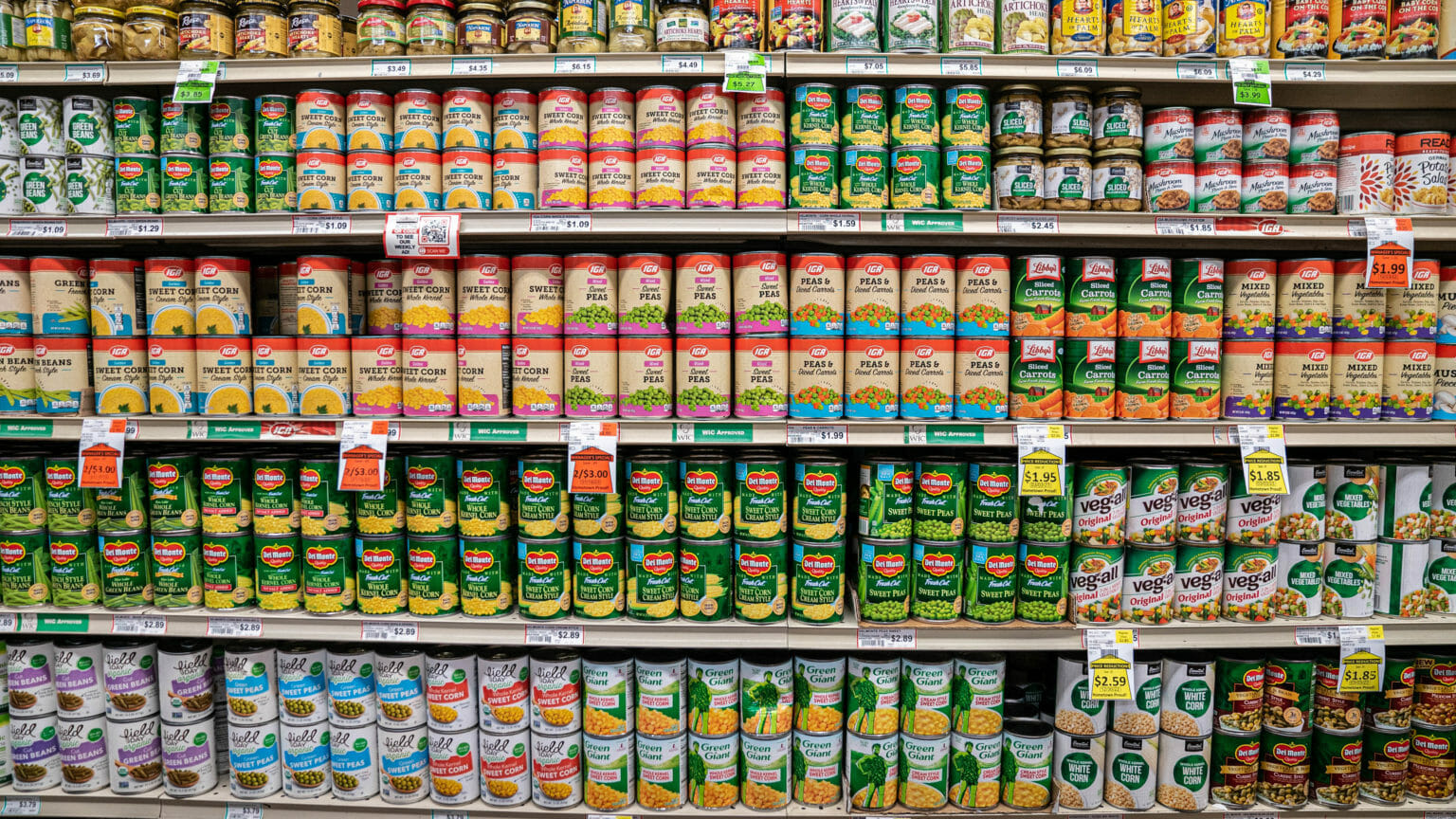
Canada's Department of Finance announced on Tuesday a final safeguard measure imposing a tariff-rate quota on imported canned vegetables: from December 1, the first-year quota is 13 million kilograms, with a 50% tariff above it; the measure runs to June 17, 2029, with the quota rising to just over 13.5 million kg and the tariff falling to 40%. The Canadian International Trade Tribunal found in September that an import surge had seriously injured domestic producers, with low-priced imports up 28% in 2025.
Canada's Department of Finance announced on Tuesday (November 25) a final safeguard measure imposing a tariff-rate quota on imported canned vegetables: from December 1, imports within a first-year quota of 13 million kilograms will enter without the additional tariff, while imports above the quota will face a 50% tariff. Finance Minister François-Philippe Champagne said the measure aims to protect the domestic food-processing sector from a surge in imports.
Tribunal found import surge caused serious injury
The measure follows a Canadian International Trade Tribunal (CITT) investigation, which concluded in September that imports of canned vegetables rose 34% between 2023 and 2025, including a 28% increase in 2025 alone, causing serious injury to Canadian producers, whose sales fell, capacity utilization dropped and jobs were lost. The tribunal said most of the increase came from the United States: US tariffs on various goods prompted countries to redirect products toward markets such as Canada, while US tariffs on Canadian steel and aluminum let American canned-vegetable producers cut costs relative to Canadian ones - Canadian food processors import most of their metal cans from the US, so their input costs rose sharply.
Quota rises, tariff falls, until mid-2029
The safeguard remains in place until June 17, 2029. Over that period the quota will gradually increase to just over 13.5 million kilograms while the tariff on above-quota imports declines to 40%, reflecting World Trade Organization requirements that safeguards be progressively liberalized. The products covered include canned corn, peas, green beans, wax beans, pea-and-carrot mixtures, mixed vegetables, white beans, black beans, red beans, pinto beans and chickpeas; fresh, dried and frozen vegetables are outside the measure. The new quota replaces a temporary 10% surtax introduced in June while the investigation was under way.
Exemptions for several countries; reserved quota for US, EU and Thailand
Not every imported can will face the tariff: imports within the quota pay no additional duty, and Mexico, Chile, Israel, Colombia, Korea, Panama, Peru and developing countries are exempt. Portions of the quota are specifically reserved for imports from the United States, the European Union and Thailand. The tribunal has been directed to begin a product-exclusion process by February 1, 2027, so businesses can ask for particular canned vegetables to be removed from the safeguard where there is no current Canadian supplier and no commercially viable plan to produce the product domestically. Ontario and Quebec dominate Canadian field-vegetable production - about 58.6% and 30.7% respectively in 2025 - and are expected to be the main beneficiaries. (Sources: Department of Finance Canada; Dow Jones; Farms.com)
💬 Comments
No comments yet. Be the first!