 N環球

Carney: Canada Could Turn to Chinese Automakers if US Trade Talks Fail
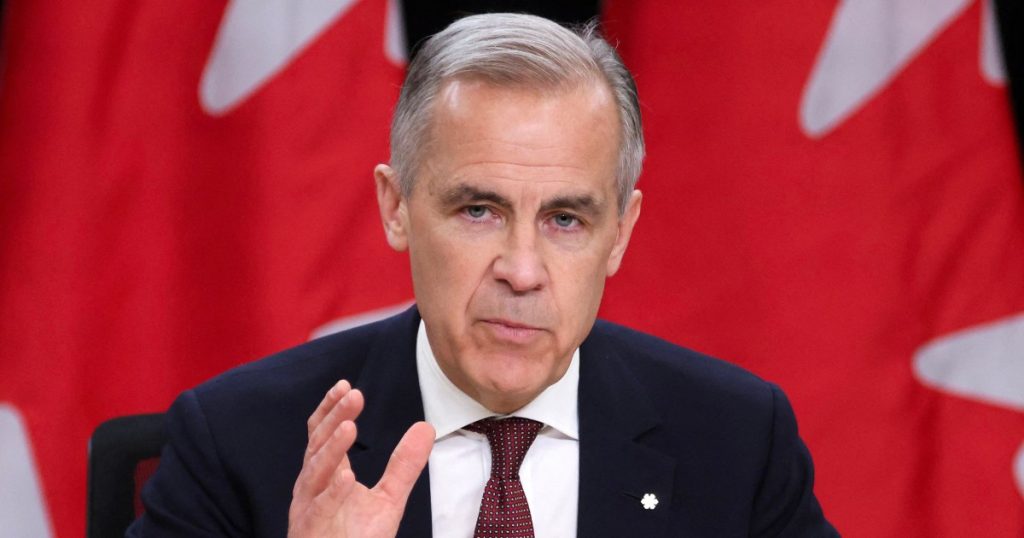
Prime Minister Mark Carney said in Phnom Penh that Canada could turn to Chinese, European or Japanese automakers if trade talks with the United States fail to preserve an integrated North American auto industry; he stressed US talks remain the priority and meets Xi Jinping in Shenzhen on November 17.
Canadian Prime Minister Mark Carney said on November 16, while attending the Francophonie Summit in Phnom Penh, Cambodia, that Canada could turn to Chinese, European or Japanese automakers if trade negotiations with US President Donald Trump fail to preserve an integrated North American auto industry. He stressed that negotiations with the United States remain his priority, but their outcome will determine whether Canada seeks other options.
Talks first, but other options ready
Carney said on Saturday in Manila that any trade agreement with Washington must leave Canada with a viable auto industry. In Phnom Penh he said he had spoken at length with Trump and senior US officials, and the two sides were moving toward a possible deal, though differences remained. The United States currently imposes 25% tariffs on Canadian-made autos exported to the US; the Detroit Three — Ford, General Motors and Stellantis — operate factories across Canada, the United States and Mexico.
Carney meets Chinese President Xi Jinping in Shenzhen on Tuesday, November 17, where auto manufacturing is expected to be discussed. Asked whether the Chinese option was a bargaining chip in the US talks, Carney rejected the suggestion, describing it as a matter of action and reaction rather than leverage. He added that Canada would move forward regardless of the outcome of the negotiations.
Chinese investment must mean real manufacturing in Canada
Carney insisted that any Chinese investment would have to involve substantial manufacturing in Canada rather than simply assembling imported parts, and would have to use Canadian parts and labour, meet labour standards, and use Canadian critical minerals in electric vehicles, with supply chains expanding over time. In June, Industry Minister Mélanie Joly met four Chinese companies in China — BYD, Chery, Geely and Shanghai Launch Automotive Technology — about the possibility of them building electric vehicles in Canada.
In January, Carney and Xi reached an agreement under which Canada reduced its tariff on Chinese electric vehicles from 100% to 6.1%, initially allowing up to 49,000 vehicles a year, with the cap increasing over time. The Canadian government said at the time it expected significant Chinese auto investment in Canada within three years. Carney also said his vision for a bigger role for China in Canada's economic outlook includes more agriculture and energy exports and some elements of financial services; guardrails remain restricting Chinese investment in areas including defence-related sectors, artificial intelligence and critical minerals.
Ontario objects as production shifts away
Ontario Premier Doug Ford, whose province is the centre of Canadian auto manufacturing, criticised the January agreement. Stellantis has shifted planned Jeep Compass production from Brampton, Ontario, to Illinois and agreed to sell its idled Canadian assembly plant; Canada subsequently threatened legal action.
Sources: Associated Press; The Globe and Mail.
💬 Comments
No comments yet. Be the first!