 N環球
N環球 
Carney bets on new oil pipeline, but jobs boom unlikely to return: Reuters analysis
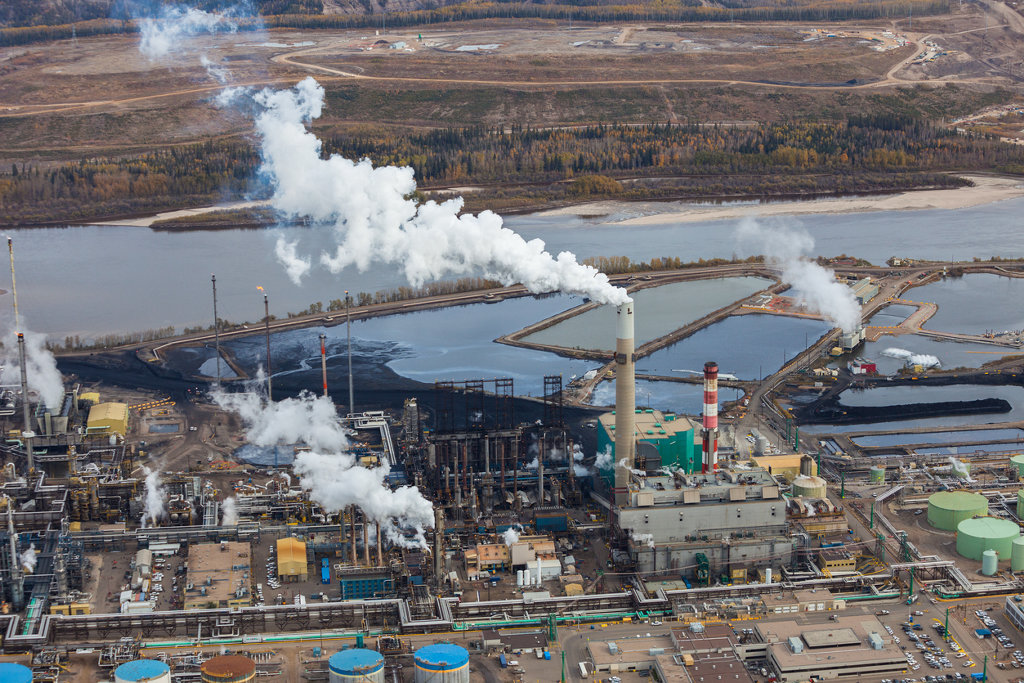
A Reuters analysis from Fort McMurray warns automation and efficiency gains will eat up job growth; industry forecasts oil sands employment falling 4% by 2035. Carney himself avoids the word 'boom'.
Why it matters
Prime Minister Mark Carney is betting a new oil pipeline can revive Canada's economy, boost production and exports, and reduce dependence on the United States. A Reuters analysis filed Oct. 18 from Fort McMurray, the Alberta oil sands hub, warns that more oil output does not mean more oil sands jobs.
What the numbers say
The proposed pipeline would move 1 million barrels of crude a day to a Pacific coast port, expanding export capacity to Asia. Alberta's oil and gas sector employs 435,000 people today, including temporary and part-time workers, 85,000 fewer than in 2014, according to Alberta's Servus Credit Union. Real disposable income in the province is still 10% below 2014 levels. The last major new oil sands project, Suncor's Fort Hills, started up in 2018.
Energy Safety Canada's August labour forecast is gloomier: even with production growing 6%, oil sands employment will fall by 920 jobs, or 4%, by 2035. Automation and efficiency gains, such as reduced maintenance hours, are eroding both staff and contract positions.
C$100 billion commitment still missing
Kendall Dilling, head of the Oil Sands Alliance, which represents the five largest companies, said the projects could create thousands of jobs across Canada by the mid-2030s, but many would be temporary construction jobs in British Columbia and Alberta rather than permanent oil-industry jobs. Employment gains "may be less than the absolute peaks that we've seen in the past." No oil sands company has committed the C$100 billion in private investment needed to fill the pipeline and build the carbon capture and storage project Carney has made a condition of federal approval.
Asked by Reuters during a Fort McMurray visit this month what the pipeline would mean for the region's economy, the former central banker replied: "I wouldn't use the term 'boom.' ... I would use 'sustained growth.'"
Political squeeze on both sides
Weak job growth could leave Carney exposed on two fronts: critics on the left say fast-tracking regulatory approval sacrifices the environment, while those on the right argue deregulation should deliver faster growth, higher salaries and more oil jobs. The analysis also notes that a referendum on Alberta separation is expected to fail on Monday — sluggish local economic prospects being one of the feeds of separatist sentiment.
💬 Comments
No comments yet. Be the first!