 N環球
N環球 
Carney details "break from U.S. dependence" strategy: EU first, limits on China, reset with India
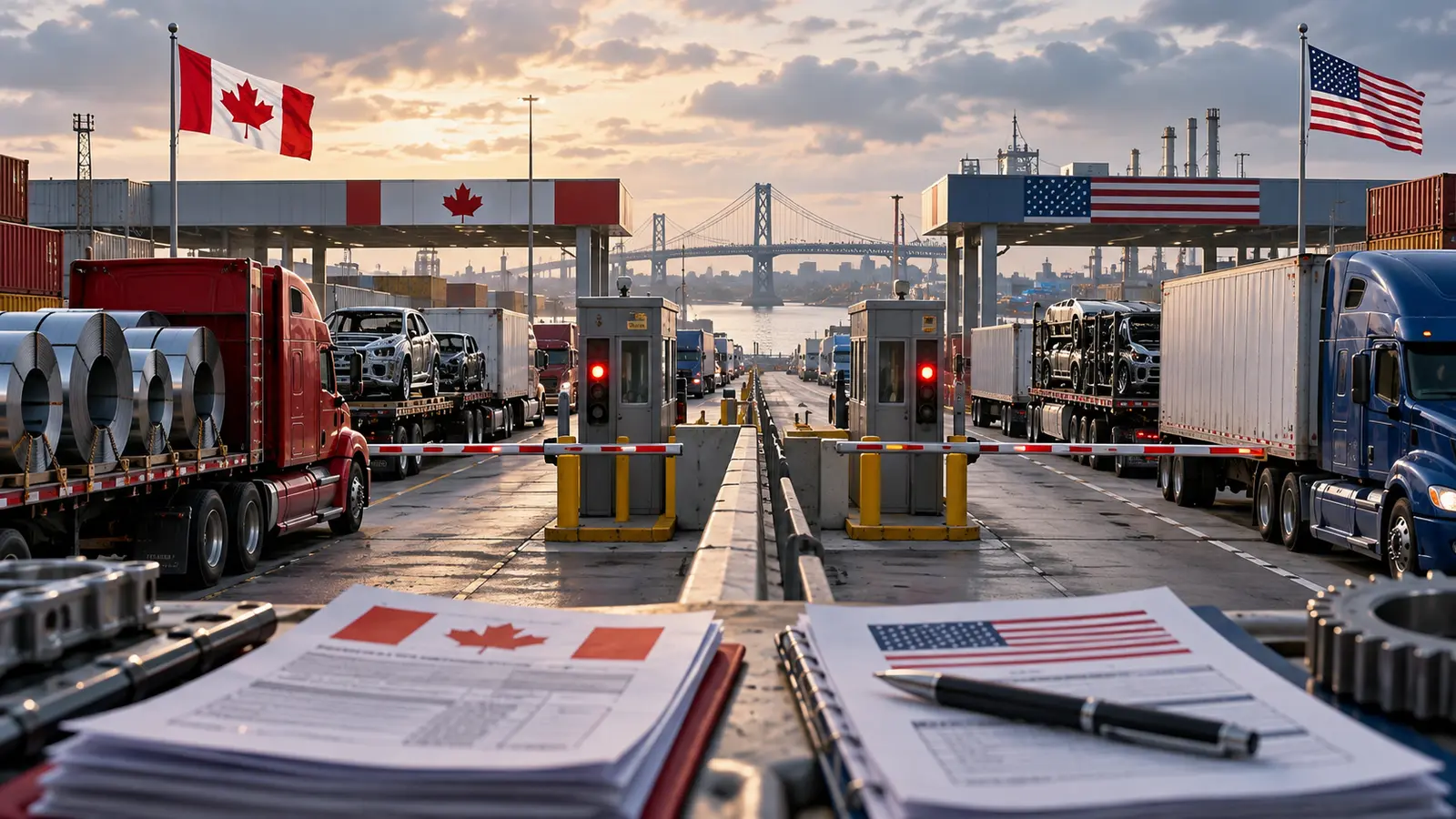
In a New York Times interview, Carney laid out his plan to reduce Canada's reliance on the United States: pursuing EU "associate member" status, setting clear limits on China cooperation (no deep AI ties), and a cautious India reset — while admitting none can fully replace the U.S. economic relationship.
Why it matters
In a wide-ranging New York Times interview, Mark Carney laid out his most detailed blueprint yet for breaking Canada's dependence on the United States — naming the European Union as his top priority, drawing clear limits on cooperation with China, and describing a cautious reset with India. It is his most significant statement on trade and foreign policy since U.S.–Canada talks collapsed last month.
Key points
Europe: after a visit to the European Parliament in Strasbourg last week, Carney is pushing for Canada to become an EU "associate member" — a status that does not formally exist yet. He acknowledged the bloc's sluggish growth but called it the world's second-biggest economy, saying Canada is "underpenetrated" there and that "greater penetration of Europe is a bigger opportunity for Canada than China." He named space, defence procurement, cyber policy, artificial intelligence and pharmaceuticals as areas of cooperation, and said cultural affinity matters: "The Europeans aren't going to tell us what we have to put on our landing pages of Netflix or Spotify" — a pointed contrast with the collapsed U.S. talks, where Washington pushed against Canada's demand that streaming services promote Canadian cultural content.
China: following Carney's January visit to Beijing, the two countries declared a "strategic partnership," with China lowering tariffs on Canadian canola in exchange for Canada admitting a limited number of Chinese electric vehicles at low tariffs. Brushing off White House criticism of that deal, Carney said Canada's agreement was "a fraction of the level of U.S. cooperation with China." He stressed that "two things can be true at the same time" — deepening cooperation while staying vigilant about foreign interference — and said he and Xi Jinping agreed to set "clear guidelines on the relationship, where we look to cooperate, where we did not expect to cooperate." AI will not see deep cooperation; agriculture, clean energy and financial services could, though China loosening capital-flow controls would be "very challenging."
India: Carney visited India earlier this year, signed a uranium agreement, and expects Prime Minister Narendra Modi to visit Canada in December. Relations ruptured in late 2024 after Justin Trudeau accused the Indian government of involvement in the killing of a Sikh community leader in British Columbia, with both countries recalling diplomats. Carney said Indian authorities are now coordinating with Canada on "protecting communities," but when asked whether he could guarantee an end to threats against Canadians of Indian descent, he replied: "I can't guarantee that."
Carney acknowledged that none of the three partnerships is likely to offer a one-for-one replacement for the unique, vast economic relationship between Canada and the United States.
💬 Comments
No comments yet. Be the first!