 N環球

Carney refers Whitehorse Power Centres project to Major Projects Office, adding 15 MW by 2028
Prime Minister Mark Carney announced in Whitehorse on Thursday that the Whitehorse Power Centres project will be referred to the federal Major Projects Office. The first phase includes two new thermal power plants, a new electrical substation and associated transmission infrastructure, adding 15 megawatts of generation capacity by 2028 and up to about 150 MW in future phases, backed by up to $73 million in federal investment.
Prime Minister Mark Carney announced on Thursday (26 November) in Whitehorse, Yukon, that the Whitehorse Power Centres project will be referred to the federal Major Projects Office, advancing a project described as critical to meeting the Yukon's growing electricity demand. The project proposes to begin with two new thermal power plants, a new electrical substation and associated transmission infrastructure in Whitehorse.
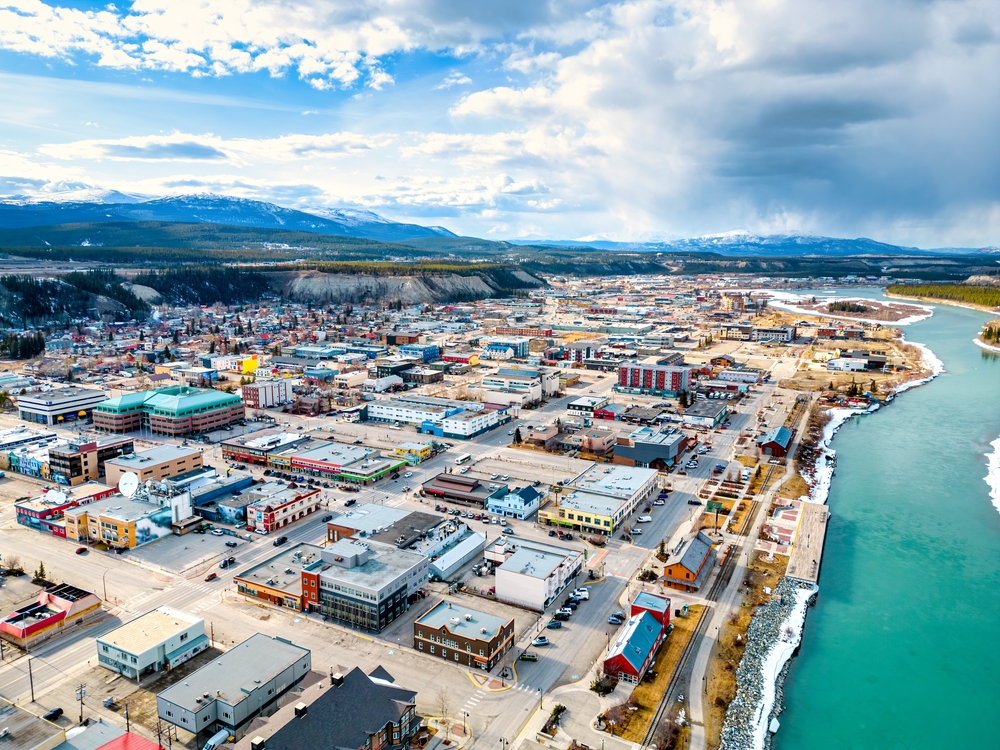
File photo: Whitehorse, capital of Yukon.
15 MW by 2028, up to about 150 MW in future phases
According to the Prime Minister's Office, the initial phase would add 15 megawatts (MW) of generation capacity by 2028, with future phases expanding capacity up to approximately 150 MW, delivering reliable power to Yukoners when they need it most. The project represents a federal investment of up to $73 million through the Build Communities Strong Fund, creating local contracting opportunities and permanent jobs once operational. The Major Projects Office will support the Government of Yukon in assessing grid upgrades to accommodate increased generation and transmission, including an evaluation of residential and industrial demand, investment opportunities for Indigenous partners in the Yukon and the private sector, and appropriate fuel types and locations.
Winter demand already near the limit, about 90% in cold snaps
As the Yukon's population and economy grow, demand for electricity is outpacing the territory's existing generation capacity, particularly during the coldest months of the year. The Prime Minister's Office said that during peak times on an average winter day, homes and businesses connected to the Yukon grid — excluding mines — already use about 80% of the power Yukon Energy can produce, and during cold snaps electricity use can rise to around 90% of available capacity. The project is meant to provide reliable, on-demand power during peak winter periods, reducing the risk of outages and maintaining essential services during extreme cold.
Northern energy build-out advances in parallel
Referred to the Major Projects Office alongside the Whitehorse project are the Taltson Hydro Expansion and the Iqaluit Nukkiksautiit Hydro Project, to support long-term economic and energy security across the North. To date, 29 nation-building initiatives have been referred to the office. Carney said the series of projects will provide reliable, affordable and secure energy to power the Yukon's future.
The federal government is also advancing the Mayo Hydro Facility and the Atlin Hydro Expansion with territorial and Indigenous partners. Together, these projects would preserve 15 MW of existing hydroelectric capacity, with the potential to add 8 MW of new capacity and generate 31 gigawatt hours each winter, equivalent to the annual electricity use of approximately 2,500 Yukon homes. Budget 2026 proposes $1.6 billion over 10 years, starting in 2027–28, to improve energy reliability in the North.
💬 Comments
No comments yet. Be the first!