 N環球

Canada proposes Clean Fuel Regulations changes to back low-carbon fuel industry, with 75-day consultation
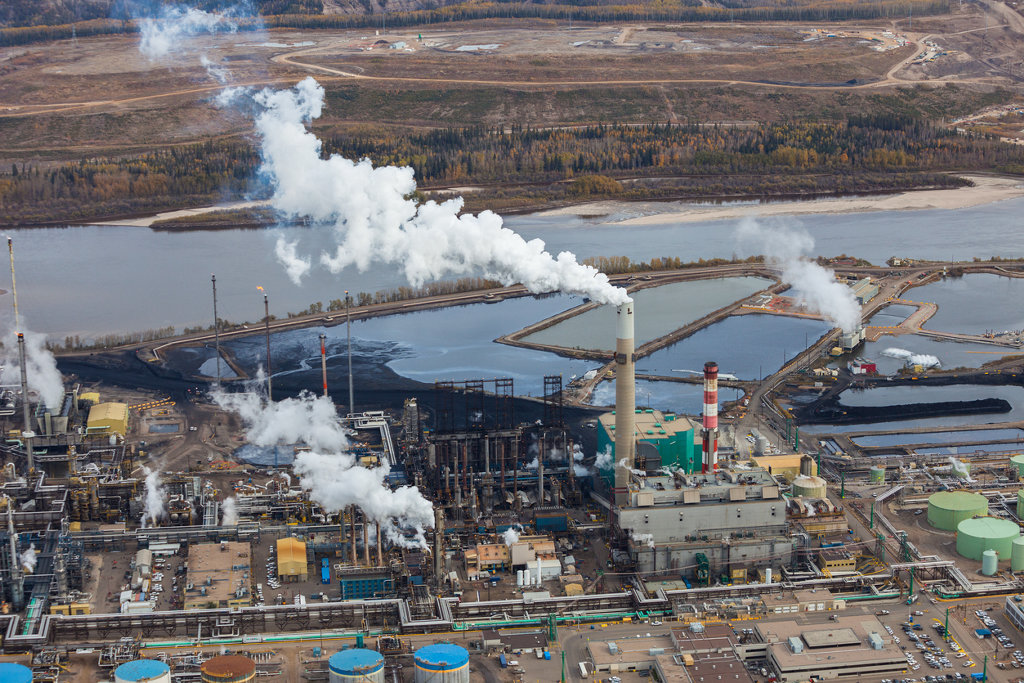
The Government of Canada announced on October 27 proposed amendments to the Clean Fuel Regulations to close the competitiveness gap for domestic low-carbon fuel producers and encourage clean-technology investment; the amendments will be published in the Canada Gazette, Part I, on October 30, followed by a 75-day public consultation.
The Government of Canada announced on October 27 proposed changes to the Clean Fuel Regulations to strengthen the domestic low-carbon fuel industry, support domestic production and encourage long-term reductions in greenhouse gas emissions. The government said the amendments are part of broader efforts to build a strong Canada by strengthening economic resilience, supporting workers and businesses, and keeping the country competitive amid rapid change.
What the amendments aim to fix
The proposed amendments have three aims: to close the competitiveness gap facing Canadian low-carbon fuel producers so they can compete fairly in the domestic market; to create conditions for more investment in clean-technology projects in the fuels sector, such as carbon capture and storage at low-carbon fuel facilities, for example ethanol plants, and co-processing bio-based feedstocks such as canola oil alongside crude oil at refineries; and to make it easier and cheaper for companies to comply with the Regulations and supply fuels that lower emissions gradually and reliably.
Timeline and the existing credit market
The proposed amendments will be published in the Canada Gazette, Part I, on October 30, 2026, followed by a 75-day public consultation period. The government said that since the Regulations came into effect, the credit market has grown to more than $3 billion, supporting investment in low-carbon fuels, agriculture, forestry and clean technology, as well as jobs, facilities, feedstock demand and domestic production capacity.
What the minister said
Julie Dabrusin, Minister of the Environment, Climate Change and Nature, said the proposed amendments were designed to support the low-carbon fuel sector and ensure resilient long-term emissions reductions while building the decarbonized industries of the future, and that the government looks forward to continuing to work with industry, provinces and territories, Indigenous partners and other stakeholders as the measures advance.
💬 Comments
No comments yet. Be the first!