 N環球
N環球 
Ottawa announces over C$120M for Northwest Territories healthcare
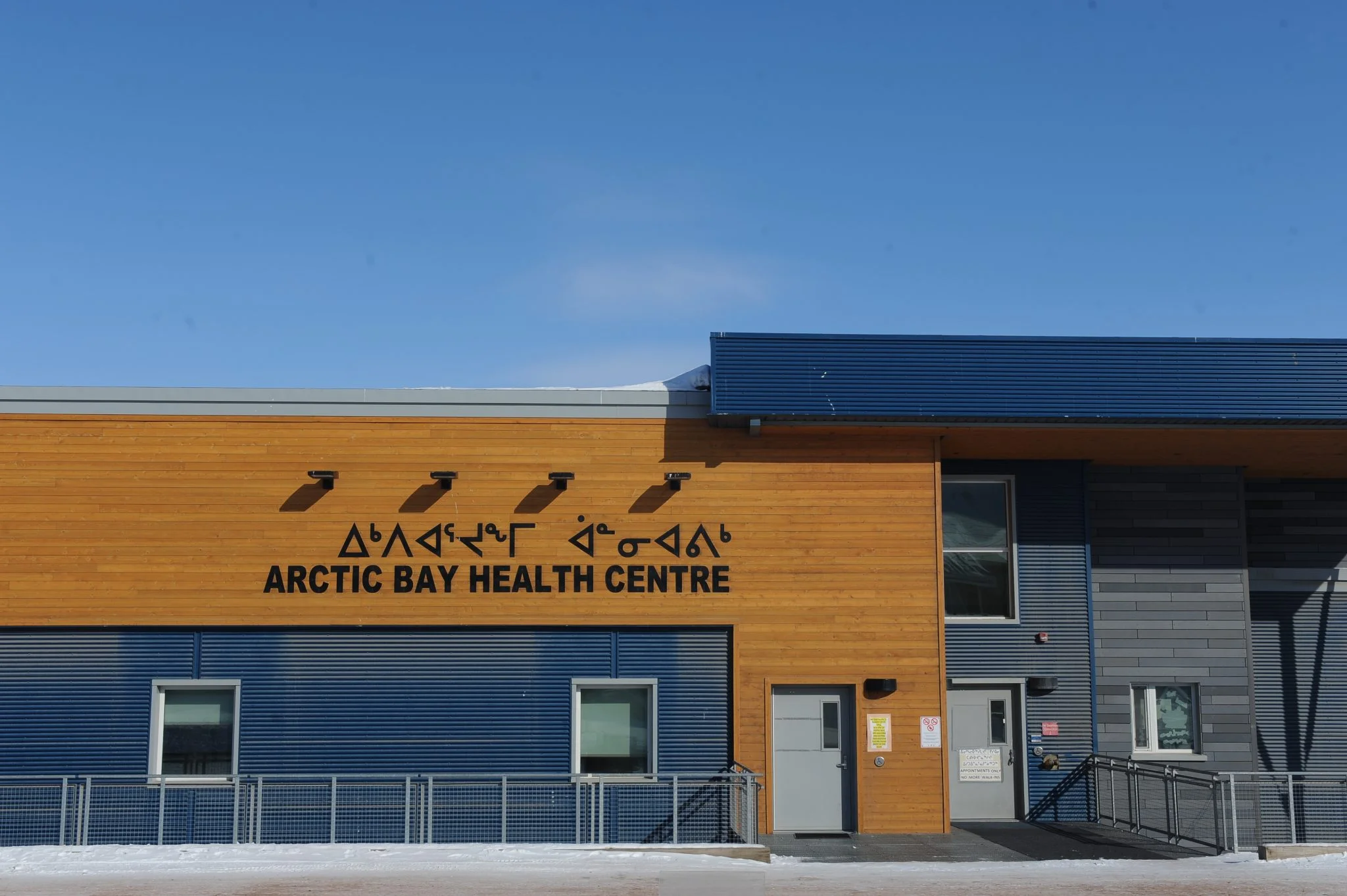
On October 5 the federal government unveiled $51.2M over seven years for NWT healthcare plus $70.2M for 16 health infrastructure projects across 12 communities, with the NWT adding $23.4M.
Why it matters
The federal government announced in Ottawa on October 5 that it will contribute $51.2 million over seven years to renew and improve healthcare in the Northwest Territories, plus $70.2 million for 16 health infrastructure projects across 12 communities. The NWT government will contribute $23.4 million toward the projects.
The $51.2 million comes under the Working Together to Improve Health Care for Canadians Plan, which provides close to $200 billion nationally from 2023 to 2033. The $70.2 million flows through the Provincial and Territorial stream of the Build Communities Strong Fund to build and renew health infrastructure and improve access to care across the territory.
Full report
Health Minister Marjorie Michel, Crown-Indigenous Relations Minister Rebecca Alty and NWT Interim Minister of Health and Social Services Lucy Kuptana made the announcement in Ottawa. The funding supports the NWT's new four-year action plan: strengthening public health capacity and coordination, physician training to grow and retain the health workforce, cultural safety training, and mental health and substance use services including specialized treatment, medical detox and community-based supports, plus culturally appropriate mental wellness and suicide prevention programs.
The previous three-year bilateral agreement ended March 31. The action plan will be updated again in 2030-31 for the final three years of funding. NWT Premier R.J. Simpson said improving healthcare in the North requires long-term commitments, calling the agreement an important step in strengthening the partnership and building a stronger foundation for northern healthcare.
The federal government says that since 2023, the NWT has reduced health workforce vacancies by 29 per cent, expanded suicide-prevention services by funding 10 Indigenous governments and organizations, increased substance use services through the Territorial Addictions Medicine Program, and reduced barriers to rural primary care with two annual Family Medicine Residency training slots.
💬 Comments
No comments yet. Be the first!