 N環球

Canada unveils first-ever forest sector strategy backed by C$6.5 billion to revive industry hit by U.S. tariffs
Energy and Natural Resources Minister Tim Hodgson unveiled Canada's first-ever forest sector strategy, a roadmap to 2050 backed by C$6.5 billion proposed in Budget 2026, to transform an industry battered by U.S. duties of nearly 35% on softwood lumber.
The federal government unveiled on Friday, 27 November, Canada's first-ever strategy for the forest sector, a roadmap to 2050 for an industry under heavy pressure from U.S. tariffs. Energy and Natural Resources Minister Tim Hodgson announced in the Tla'amin Nation in British Columbia that the strategy is backed by C$6.5 billion proposed in Budget 2026, the largest federal investment in the sector's history. Together with measures announced since August 2025, the government has committed more than C$9 billion to the forest sector.
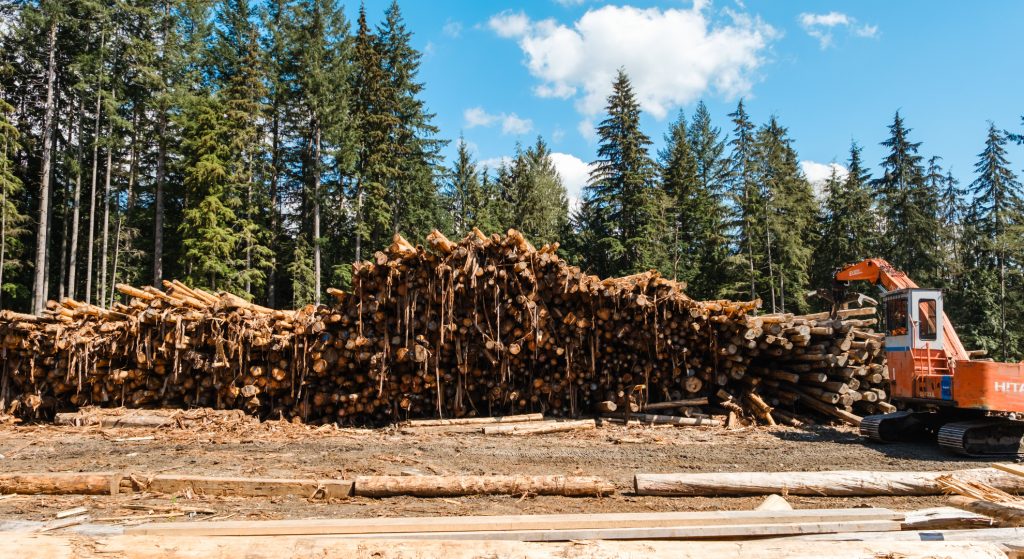
File image: a log yard in Canada.
How the C$6.5 billion will be spent
About one-quarter of the money will go to improving productivity at existing sawmills, while the rest is expected to fund new large-scale factories to accelerate advanced forest products, including biofuels, biochemicals and advanced wood-based building materials, reducing the industry's reliance on lumber, pulp and paper. Built around four pillars, the strategy aims to improve access to fibre, speed up innovation, expand domestic demand for Canadian wood and diversify export markets. A new C$100 million national initiative, the Forestry Regions Economic Diversification (FRED) initiative, will help forestry-dependent communities plan for economic diversification.
An industry under tariff pressure
Most Canadian softwood lumber exports face U.S. duties and tariffs of nearly 35%. Hodgson said the task is to revitalize the sector and stop the flight of capital to the United States and elsewhere. Officials acknowledged that some of the sector's challenges are homegrown, including chronic underinvestment and regulatory overlap that thwarts access to cost-competitive fibre. The government warns that without action, capital flight could accelerate, regional supply chains could collapse, industrial assets could be stranded and job losses could further hollow out rural communities. The Forest Products Association of Canada (FPAC) welcomed the strategy, calling it an important opportunity to support workers and communities and strengthen competitiveness.
B.C. funding and Indigenous participation
Hodgson also announced C$19.2 million through the Regional Tariff Response Initiative for 16 forest-sector businesses in British Columbia, and up to C$31.6 million for forest-sector projects and businesses in the province. The strategy also highlights Indigenous participation: the Indigenous Loan Guarantee Program is supporting the Tla'amin Nation's acquisition of full ownership of Western Forest Products' Stillwater Forest Operation. The government says the strategy will protect jobs while offering workforce training and employment supports so the sector has the skilled workforce it needs for the decades ahead.
💬 Comments
No comments yet. Be the first!