 N環球

Canada's Borrowing Surge to Elevate Rate Risks, Budget Watchdog Warns
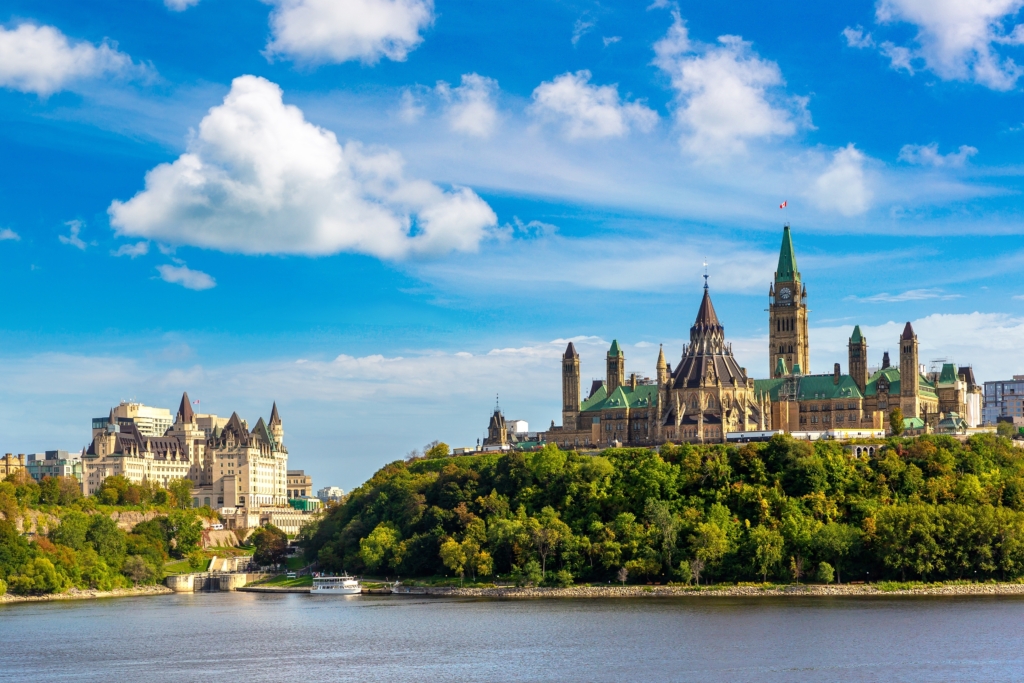
The Parliamentary Budget Officer warned on November 17 that Ottawa's borrowing requirement totals nearly C$765 billion — 2.6 times the cumulative budget deficit — and that public debt charges will reach 13.6% of federal revenue by the fiscal year ending March 31, 2031. Finance Minister François-Philippe Champagne defended the budget in Parliament, while the C.D. Howe Institute gave it a poor grade.
Canada's federal government risks leaving the treasury too exposed to increases in interest rates from the anticipated surge in borrowing to fund resource and infrastructure projects and acquire defence equipment, parliament's budget watchdog warned in an analysis published on Tuesday, November 17. The Office of the Parliamentary Budget Officer said Canada's borrowing requirement, based on budget-plan projections, totals nearly 765 billion Canadian dollars (US$535 billion), or 2.6 times the cumulative budget deficit during that period. By the fiscal year ending March 31, 2031, public-debt charges will account for 13.6% of revenue.
Borrowing and deficit out of sync; per-capita interest up 40% in five years
The watchdog said the surge is not driven by the deficit alone but by non-budgetary transactions that the budget balance does not capture — including loans to state-backed lenders and funds, and the acquisition of non-financial assets. Federal debt per capita is projected to grow 15% over the next half decade, while public-debt charges per capita are expected to accelerate by 40%. The watchdog attributed the rise in interest costs to higher interest rates and to borrowing for loans, investments and capital purchases that accounting rules keep out of the budget balance: some government expenses are not treated as budget expenses, and some capital purchases are expensed gradually through amortization. 'If price pressures continue to intensify, and especially if fiscal concerns drive further increases in [bond yields], interest rates could rise higher than assumed,' the watchdog said. 'This would add to fiscal pressures through higher public debt charges, which are already the fastest-growing expense in the fiscal framework.'
Champagne defends the budget: 'A confident country invests'
Appearing before lawmakers on Tuesday, Finance Minister François-Philippe Champagne defended the budget plan, arguing Canada has one of the strongest fiscal profiles among developed economies. 'A confident country invests,' he told the Senate finance committee, adding the planned spending is an effort to spur investment. Bond yields have climbed this year as traders fret about inflation, stemming from higher energy prices, and fiscal policy in developed countries. Canadian yields have climbed but not as fast as U.S. Treasurys.
Think tank gives budget a poor grade: 'spectacularly out of whack'
The growth in borrowing drew sharp criticism from the Toronto-based C.D. Howe Institute, a think tank, which gave the annual budget plan a poor grade. The deficit and debt profiles 'were usually fairly in line. Now they are spectacularly out of whack,' the think tank's president emeritus William Robson said on a podcast produced by the group. 'The government is now raising all kinds of extra debt, and instead of using it to finance deficits, they're pushing it out as loans, investments, and advances.' He added the concern for taxpayers should be what kind of returns these funds will generate, noting history points to low returns from government-funded initiatives. 'Some of that money should be showing as spending and deficit, but instead they have moved it to a place where it's harder to see,' he said. (Sources: Dow Jones Newswires; Office of the Parliamentary Budget Officer; C.D. Howe Institute)
💬 Comments
No comments yet. Be the first!