 N環球
N環球 
Canada invests $85.5M to rehabilitate Rankin Inlet airport, strengthening Arctic connectivity and sovereignty
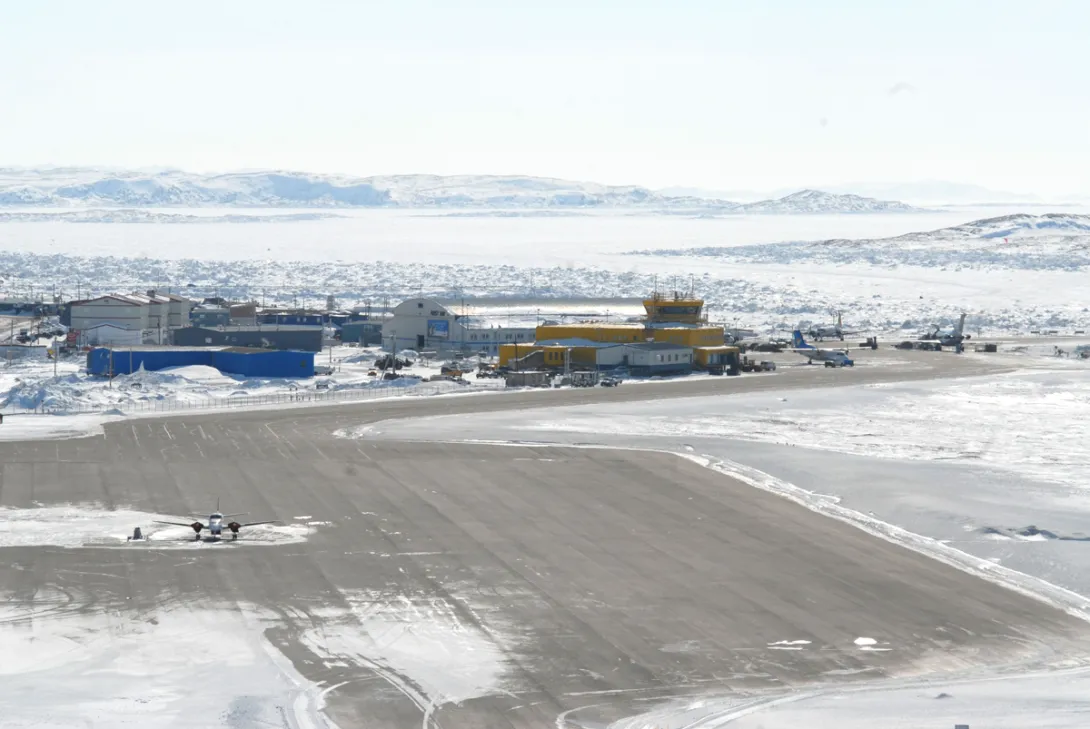
Ottawa announces $85.5 million through the Arctic Infrastructure Fund to fully rehabilitate the Rankin Inlet airfield in Nunavut, extending its service life by 15–20 years and supporting Arctic sovereignty.
Why it matters
For Kivalliq communities, the airport is the only year-round lifeline for food, medical equipment and medevac flights. Fully rehabilitating the runway extends its service life by 15 to 20 years and strengthens dual-use infrastructure that serves both civilians and the Canadian Armed Forces — a concrete step in Canada's Arctic sovereignty strategy.
Full report
On September 28, 2026, in Rankin Inlet, Nunavut, the federal government announced $85.5 million through the Arctic Infrastructure Fund (AIF) to support the Rankin Inlet Airfield Rehabilitation Project. The announcement was made by Rebecca Chartrand, Minister of Northern and Arctic Affairs and Minister responsible for the Canadian Northern Economic Development Agency, on behalf of Transport Minister Steven MacKinnon, at the grand opening of the airport's new terminal building.
The funding will fully rehabilitate the airfield's pavement — about 141,000 square metres, including Runway 13/31, Taxiways A and C, and associated apron surfaces — improving the safety, reliability and capacity of the runway, taxiway and apron systems serving the Kivalliq region. Transport Canada says the work will extend the airfield's service life by 15 to 20 years and reduce long-term maintenance needs.
The investment builds on a previously announced National Trade Corridors Fund (NTCF) grant that paid for the new terminal building, and complements a Department of National Defence investment to rehabilitate the runway reaffirmed by Prime Minister Carney earlier this year. As a critical gateway for northern communities, Rankin Inlet Airport moves passengers, cargo and vital supplies including food and medical equipment, and supports emergency and medevac services. The project reinforces dual-use, civilian-and-defence infrastructure that contributes to Canada's long-term presence and operational readiness in the Arctic.
💬 Comments
No comments yet. Be the first!