 N環球

Canada publishes draft stablecoin rules: non-bank issuers must register with the central bank, redemptions within three days
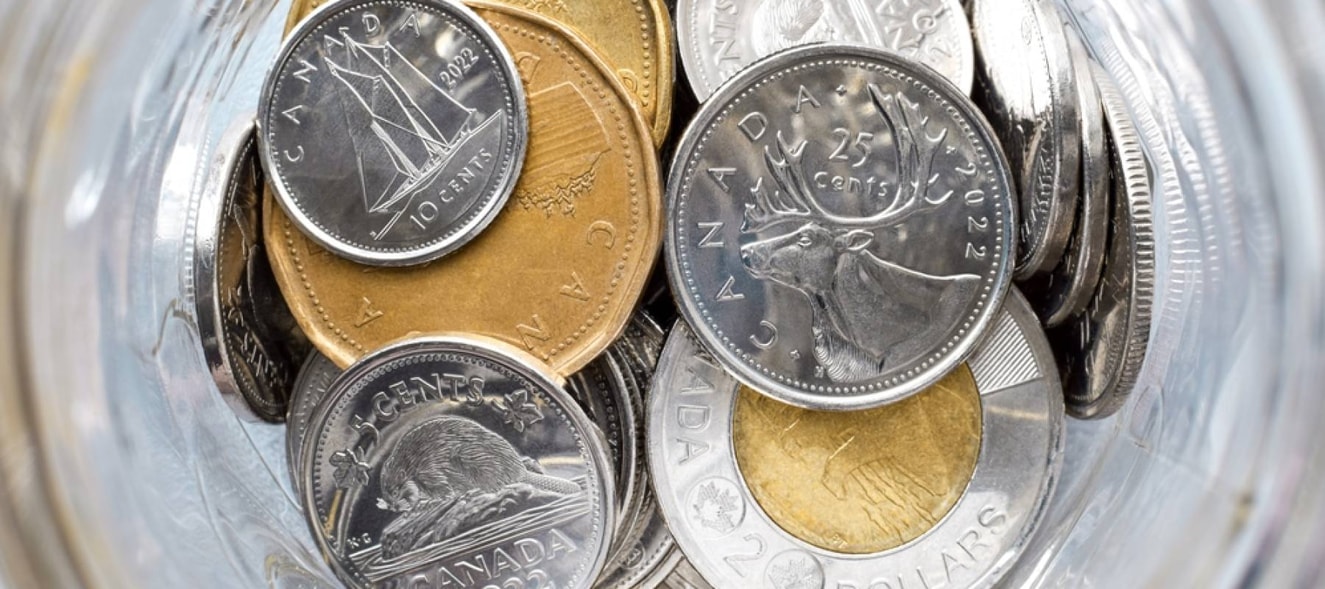
Canada's Department of Finance published draft Stablecoin Regulations in the Canada Gazette on October 24: stablecoin issuers outside the banking system must register with the Bank of Canada, hold reserves at least one-to-one every day, and redeem at par with no minimum amount, a 1% fee cap and completion within three business days. Issuers would be barred from paying interest or yield to holders; the 60-day consultation runs to December 23, with the regime expected to take effect in fall 2027 alongside the Stablecoin Act.
Canada's Department of Finance published draft Stablecoin Regulations in the Canada Gazette, Part I, Volume 160, Number 43, on October 24, setting working rules for stablecoin issuers outside the banking system. The draft implements the Stablecoin Act, and the government intends the full regime to take effect in fall 2027, with a 60-day public consultation open until December 23, 2026.
Who must register, and who is outside the regime
Under the draft, a non-bank issuer, domestic or foreign, must register with the Bank of Canada before issuing a stablecoin, filing the coin's name, symbol, reference currency, par value, reserves and custodians. Banks, trust, loan and insurance companies, credit unions and foreign financial institutions sit outside this registration regime and remain on their own regulatory tracks. Existing issuers get a transition: if they apply within 30 days after the legislation takes effect, they may keep operating while their application is assessed.
Reserves and redemption: fully backed daily, redeemed at par in three days
Reserves are the core of the draft. An issuer's reserve assets must have a market value at least equal to the stablecoins outstanding at the end of every business day — full one-to-one backing. Eligible reserves include demand deposits, government debt with three months or less to maturity, one-business-day reverse repurchase agreements, and money market funds holding only eligible assets, all held by a qualified custodian.
On redemption, eligible holders may redeem at par with no minimum amount, and issuers must generally complete redemptions within three business days, with fees capped at 1% and at least seven days' notice on the issuer's website before a fee is introduced or raised. The one exception is market stress: if liquidity shortages in the markets where reserve assets trade prevent an issuer from meeting all requests, it may impose daily redemption limits, but the 1% fee ceiling still applies.
The yield ban: the most contested clause
The draft bars issuers from paying interest or yield to holders, directly or indirectly, and from implying that a coin is legal tender, a deposit, insured or government-guaranteed. A Finance Canada spokesperson said the ban is intended to ensure payment stablecoins do not function like bank deposits or investment products. The Canadian Bankers Association supports it, arguing that yield would pull deposits out of banks and squeeze lending; Stablecorp, issuer of the Canadian-dollar coin QCAD, has warned that without any yield, holders have little reason to choose a Canadian-dollar coin over a US-dollar one. The United States has recently moved the other way, with the Office of the Comptroller of the Currency allowing crypto platforms to keep paying stablecoin rewards — leaving Canada and the US visibly split on yield.
What happens next
Consultation comments go to the Department of Finance's Director of Digital Assets. Once the regulations are finalised and published in Canada Gazette Part II, the Bank of Canada will develop guidance on its supervisory expectations. For ordinary users, nothing changes yet: this is a draft for consultation, and its binding force only begins when the legislation takes effect in fall 2027.
💬 Comments
No comments yet. Be the first!