 N環球

Canada seeks $22.1B in supplementary spending for defence, icebreakers, child care and dental care
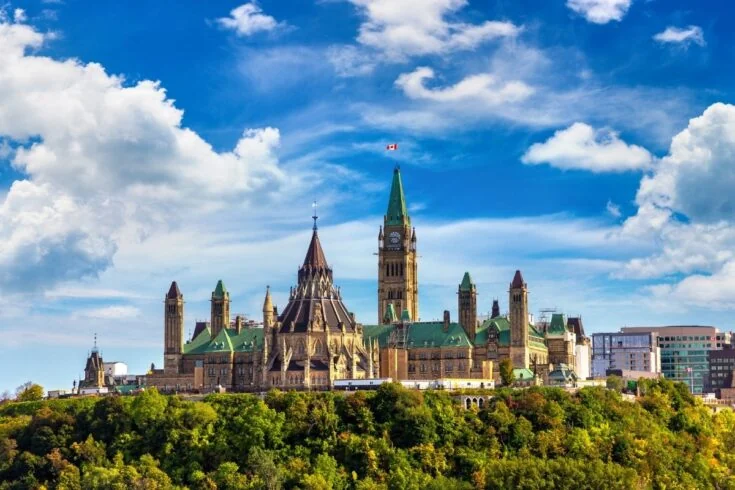
Treasury Board President Shafqat Ali tabled Supplementary Estimates (B) for 2026–27 on November 6, seeking parliamentary approval for $22.1 billion in new voted spending on defence, Coast Guard icebreakers, child care, dental care, housing, Indigenous services and tariff-hit sectors.
The federal government tabled Supplementary Estimates (B) for 2026–27 in the House of Commons on November 6, seeking parliamentary approval for $22.1 billion in new voted spending. Treasury Board President Shafqat Ali said the additional funding will go to defence, the construction of icebreakers for the Canadian Coast Guard, child care and dental care, affordable housing, services for Indigenous communities, and support for sectors affected by tariffs.
Where the money goes
According to the Treasury Board of Canada Secretariat, the proposed investments cover icebreaker construction, additional defence capabilities and operations, child care and dental care, affordable housing, services for Indigenous communities, and support for tariff-affected sectors. They also include investments to help businesses train and recruit skilled trades workers, supporting economic growth and workforce development.
The follow-up to the budget
Supplementary Estimates are additional spending authorities tabled during the fiscal year as required. Just one day earlier, on November 5, Finance Minister François-Philippe Champagne tabled Budget 2026, titled “Masters of Our Destiny,” proposing roughly $142 billion in new measures over five years and projecting a $62.3-billion deficit for the current fiscal year. Supplementary Estimates (B) are part of the appropriation process that puts some of those commitments into effect.
A $538.3-billion spending plan for the year
Together, the 2026–27 Main Estimates, Supplementary Estimates (A) and Supplementary Estimates (B) bring total planned budgetary spending for 2026–27 to $538.3 billion, of which $263.7 billion is voted expenditure and $274.6 billion is statutory spending already authorized through existing legislation. The release notes that amounts in the Estimates represent “up to” amounts requested by each federal organization, and that the Public Accounts show what was actually spent.
Also tabled in Parliament on November 6 were the 2026 Public Accounts of Canada and the 2025–26 Departmental Results Reports. The Public Accounts present a detailed report of the government’s financial results for the fiscal year ending March 31, while the Departmental Results Reports give a department-by-department picture of results.
Photo: Parliament Hill in Ottawa (file photo).
💬 Comments
No comments yet. Be the first!