 N環球

Reuters review: over $3.2bn in Chinese AI projects built around restricted Nvidia chips
A Reuters review of more than 150 Chinese procurement notices and other documents found AI computing projects worth over 23 billion yuan planned around advanced Nvidia processors subject to US export controls, with Jensen Huang's resignation on November 12 adding to the uncertainty.
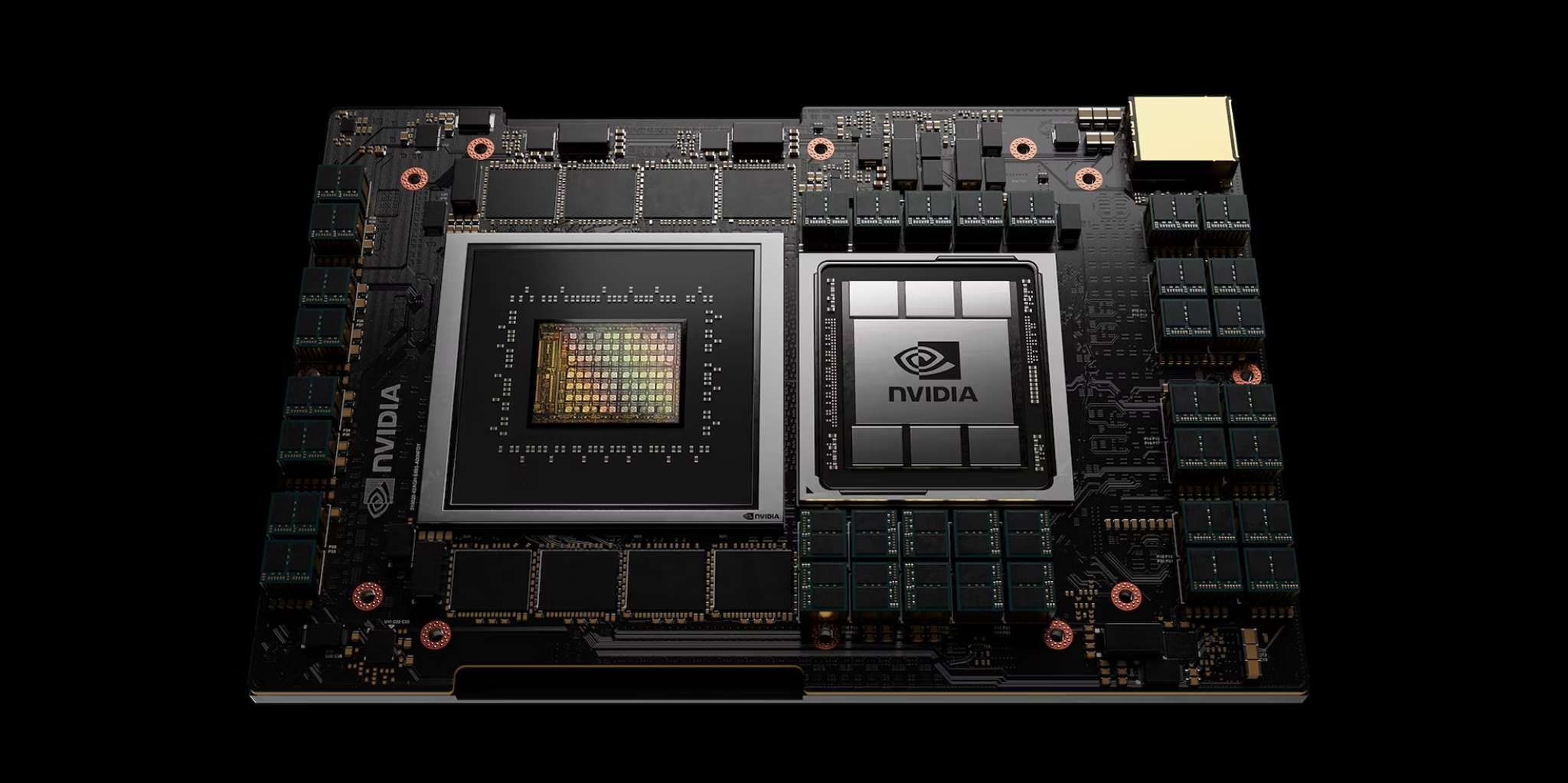
A Reuters review of more than 150 Chinese procurement notices, investment plans, construction contracts and corporate disclosures has identified artificial intelligence computing projects worth over 23 billion yuan (about $3.2 billion) planned around advanced Nvidia processors that are subject to US export restrictions. The findings come just as Nvidia co-founder Jensen Huang resigned as chief executive on November 12, adding uncertainty over chip supply and the regulatory outlook. (File photo: an Nvidia Blackwell-architecture AI accelerator module.)
What the investigation found
The projects span China's wealthy coastal technology regions and its less-developed western provinces, and extend beyond major technology companies to local government-backed ventures, universities, regional computing centres and infrastructure developers. Some projects have already been completed, while others remain under construction or are still at the planning and procurement stages.
The 23 billion yuan figure does not represent the amount spent specifically on Nvidia processors. It covers the broader computing infrastructure planned around the hardware, including data-centre buildings, power systems, equipment agreements, signed contracts and planned infrastructure. In other words, it measures the scale of investment associated with Nvidia hardware, not confirmed purchases of restricted chips.
Several projects were designed around Nvidia's H100, H200 and H800 processors. Reuters identified a facility in northwestern China's Gansu province that was expected to install thousands of Nvidia processors before the end of 2026, though it remains unclear whether those processors actually arrived. Planning infrastructure around a particular chip and successfully obtaining the hardware to run it are two different things, the investigation notes.
The export-control backdrop
The United States began restricting exports of Nvidia's advanced AI processors to China in 2022, and later expanded the controls to cover modified chips developed to comply with the earlier rules. In January 2026, the Trump administration moved to review export licences for eligible Chinese customers seeking Nvidia H200 processors on an individual basis, subject to conditions. For developers that have already committed money to buildings, electricity systems, cooling equipment and networking hardware, a project can still face delays or a redesign around alternative processors if the chips cannot be obtained, involving additional engineering work, software adjustments and new equipment procurement.
What Huang's departure changes
Huang had been a prominent advocate of allowing Nvidia to continue selling certain AI processors to Chinese customers, arguing that maintaining access to the Chinese market would help American technology companies compete globally and keep customers dependent on US-developed hardware. He had said Nvidia's market share in China had fallen from 95 percent to zero, and the company excluded Chinese data-centre computing revenue from its forecasts because of regulatory uncertainty.
His departure does not automatically mean the Chinese projects will be cancelled: their immediate challenges are more directly connected to export licences, chip availability, existing inventories and the possibility of alternative hardware. But it could weaken Nvidia's ability to influence discussions in Washington about export restrictions, while US lawmakers continue to push for tighter controls on advanced AI processors reaching Chinese organisations.
The other side of the numbers
Nvidia said in an August 2026 filing that it was effectively excluded from China's data-centre computing market. However, an IDC report cited by Reuters estimated that Nvidia still accounted for 34 percent of Chinese AI accelerator shipments during the first half of 2026. The two figures measure different things and should not be treated as contradictory: the first concerns Nvidia's ability to sell directly, while the second measures shipments across the broader market.
Megaspeed and the limits of the investigation
The developments surrounding Huang have also drawn attention to Megaspeed, a Singapore-based cloud partner associated with Nvidia. The company has faced scrutiny over allegations that advanced Nvidia processors were diverted to Chinese users in violation of US export controls; Megaspeed has denied illegally diverting chips. US authorities reportedly suspect Alice Huang, a former Megaspeed executive, of having intelligence ties to Beijing. Nvidia's board launched an independent investigation into whether Jensen Huang had been targeted by a foreign intelligence operation and said it had no reason to believe company secrets or US national security had been compromised. There has been no public finding that Jensen Huang violated export-control laws. Reuters also reported that the Chinese AI projects identified in its investigation have not been linked to Megaspeed or the allegations involving Huang.
What happens next
The future of the identified projects will depend on whether their developers can obtain the required processors, secure regulatory approvals or transition to alternative hardware. Projects that have already invested heavily in Nvidia-compatible infrastructure could face delays or additional costs if their original equipment plans become unworkable. For China, the uncertainty reinforces the importance of developing domestic AI processors and reducing dependence on foreign suppliers, though replacing established Nvidia hardware would also require adapting software, networking systems and data-centre designs. For Washington, the challenge is enforcing restrictions across complex international supply chains, monitoring not only the original buyers but also the organisations that ultimately use the computing capacity.
According to Reuters, the investigation does not establish how every restricted processor identified in Chinese project documents reached its eventual user. Procurement plans, equipment contracts and completed installations do not necessarily establish that every planned processor was delivered through an authorised or unauthorised supply channel.
💬 Comments
No comments yet. Be the first!