 N環球

Alibaba Trains Next-Generation Qwen on Its Own T-Head Chips, Shifting to Domestic AI Chips After 2027
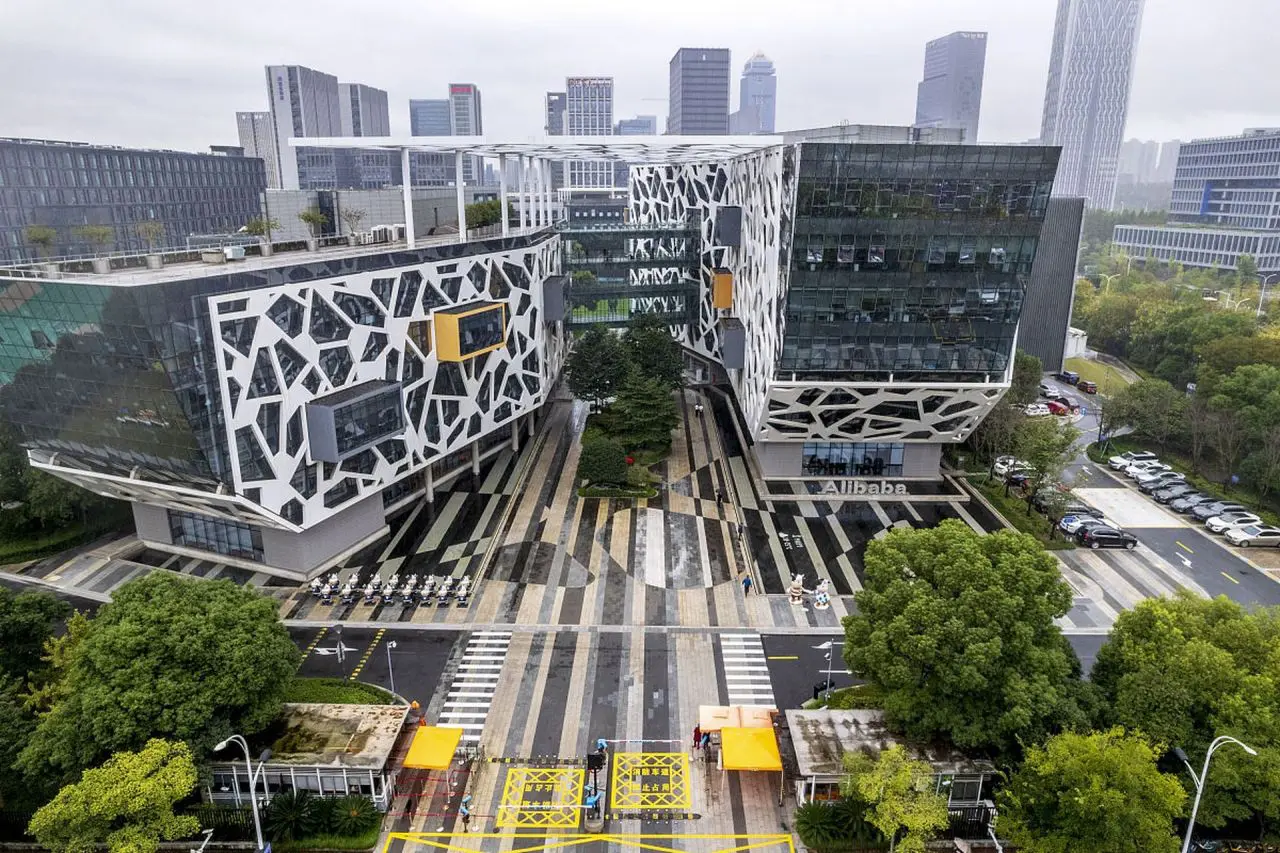
Alibaba CEO Eddie Wu confirmed on an earnings call that the next-generation Qwen flagship model is being trained on the group's home-grown T-Head chips, and that new AI chip supply after 2027 will be mainly domestic.
Alibaba CEO Eddie Wu confirmed on the company's fiscal second-quarter earnings call on November 19 that the next-generation Qwen flagship model is being trained on the group's home-grown T-Head chips, and that after 2027 new AI chip supply will come mainly from its own T-Head chips — a sign that Chinese tech companies are accelerating their shift to domestic computing power under US export controls.
The earnings numbers
Alibaba's second-quarter revenue was 271.5 billion yuan (about US$40.7 billion), up 10% year on year, while net profit jumped 213% to 64.4 billion yuan. Wu said AI-related annual revenue is expected to exceed US$10 billion.
A three-generation GPU roadmap
T-Head's GPU roadmap was also revealed: the Zhenwu M890 is already fully deployed in 2026; the V900 enters mass production in the first quarter of 2027 with 216GB of memory and interconnect bandwidth of 1,200GB/s, three times the performance of the M890; and the J900 is planned for 2028. T-Head has applied for a listing in Hong Kong.
The shift under export controls
The United States has recently tightened AI chip exports to China, and even chips approved for sale to China remain subject to quantity and review limits. Moving training of its next flagship model onto its own chips marks Alibaba's computing supply chain shifting from import dependence toward self-reliance. Analysts say that if the V900 ships on schedule and hits its stated performance, it would sharply reduce Alibaba's reliance on US chips, though its real-world training performance still needs to be proven.
Sources: TechNode, TrendForce, AFP (via TechXplore).
💬 Comments
No comments yet. Be the first!