 N環球

CSI 300 enters bear market after 20% drop from June peak, 10 straight weeks of losses
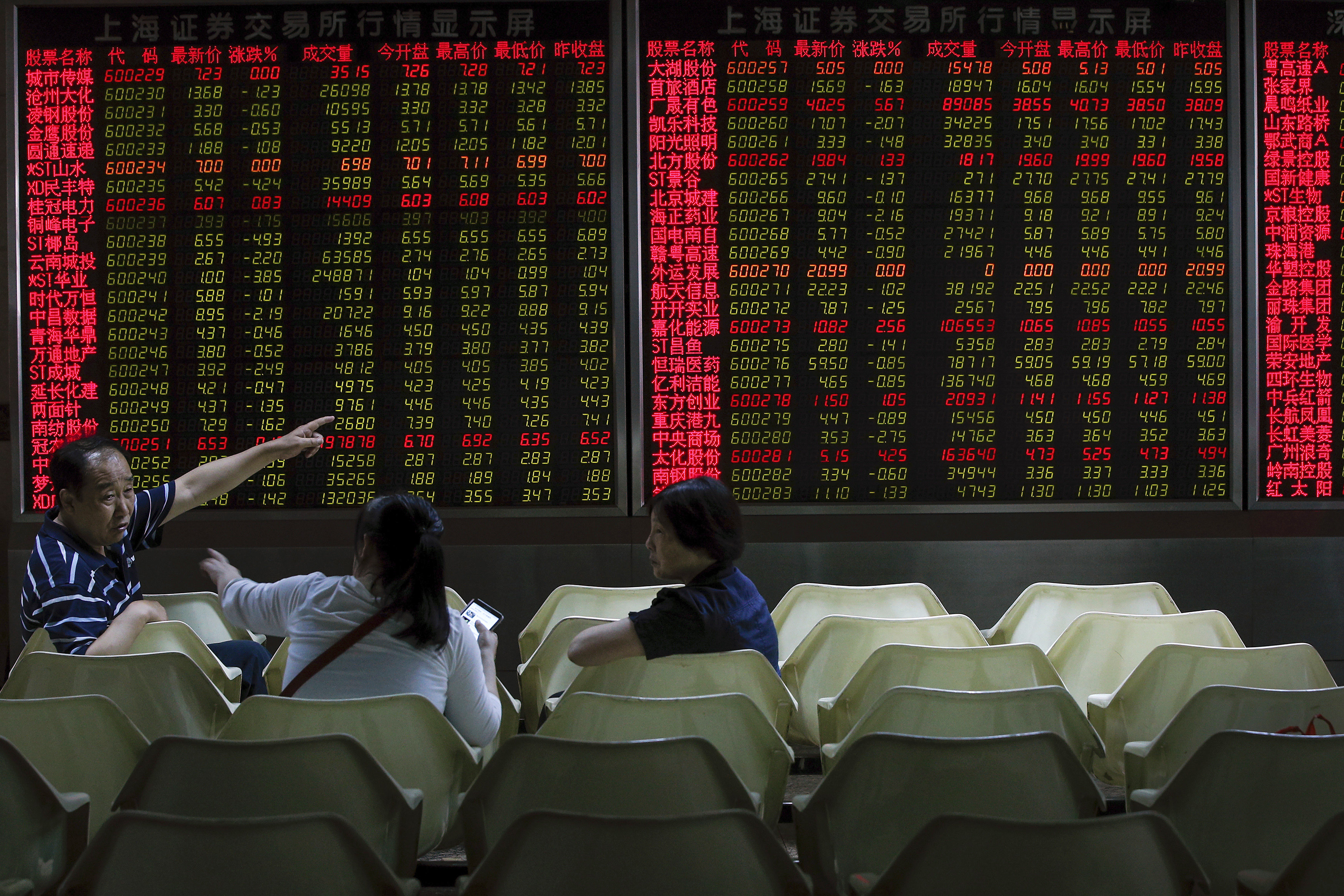
China's benchmark fell 1.8% on Thursday, ending 20.2% below its June 22 high. AI and semiconductor stocks led the selloff, which spread to Hong Kong, where the Hang Seng Tech index hit a two-year low.
Why it matters
A bear market usually means an index has fallen 20% or more from a recent peak. Ten straight weeks of losses mark a rare, grinding selloff: excess capacity eroding profits, weak consumption, geopolitical uncertainty and AI-bubble worries are compounding — with retail investors driving about 90% of daily trading (HSBC data), volatility is amplified, and state-backed buying has yet to stabilize the market.
Full report
LSEG data show the CSI 300 dropped 1.8% on Thursday, closing 20.2% below its June 22 high and entering bear-market territory; the index has now declined for 10 consecutive weeks and is down 2.6% so far this week.
The selloff was led by AI and semiconductor stocks and spread to Hong Kong: the Hang Seng fell 3%, the Hang Seng Tech Index slid 5% to a two-year low, with Tencent down 2.9% and Alibaba off more than 6%. Reuters-cited reporting notes investors were already on edge over a broader Asian tech pullback and modest hopes for new stimulus.
Jordan Cvetanovski, chairman and CIO at Pella Funds, told CNBC that China's equity market faces structural challenges rooted in years of excess capacity and overinvestment; Shaun Rein, managing director at China Market Research Group, called it a crisis of confidence rather than a crisis in the economy, noting retail investors exit faster in turbulence, and predicted a strong rebound in 2027.
Daniel Gerard, senior multi-asset strategist at State Street Markets, struck a more optimistic tone, saying China's growing capabilities in artificial intelligence could eventually draw global investors back into its equity market, even before corporate earnings recover.
💬 Comments
No comments yet. Be the first!