 N環球

China's central bank formally shifts its main policy rate to the overnight rate, injecting 541 billion yuan
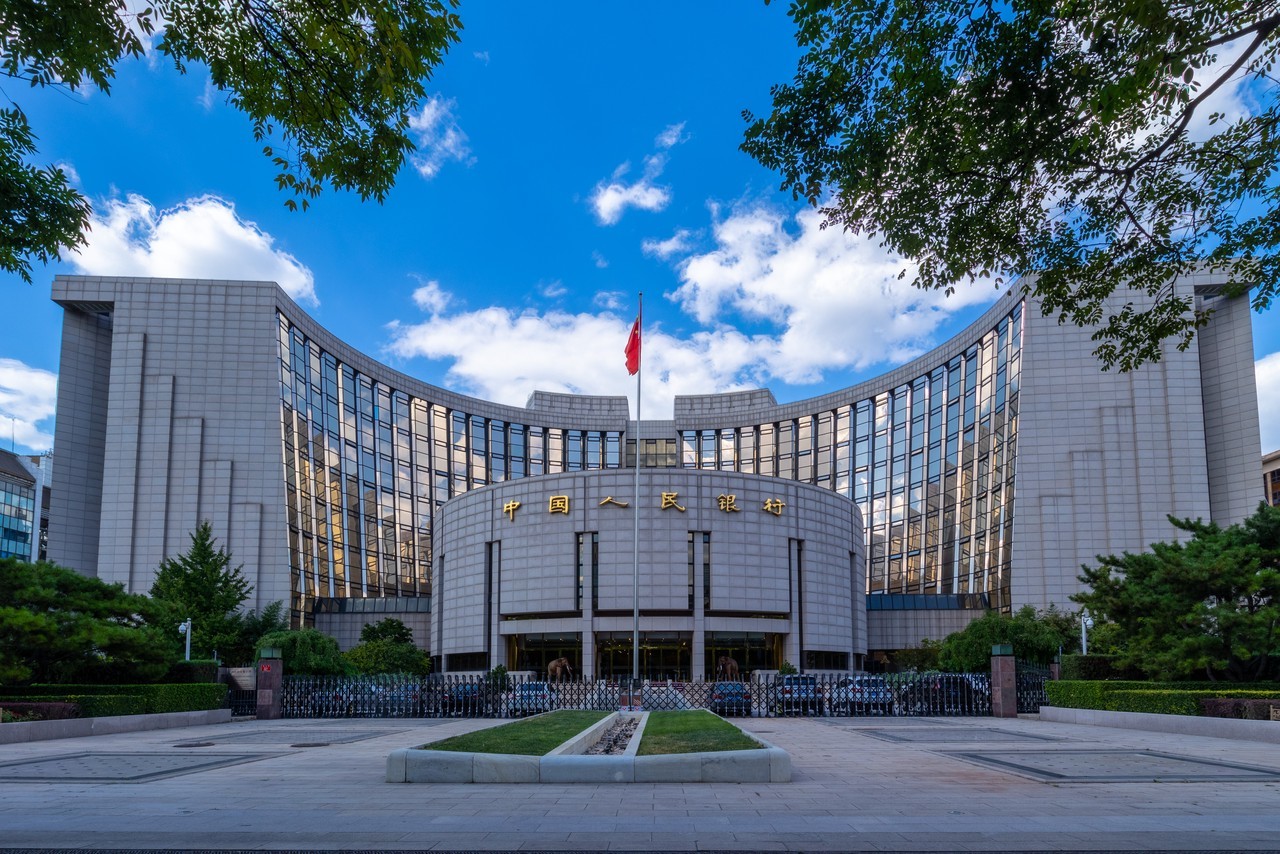
The People's Bank of China injected 541 billion yuan through overnight reverse repos at 1.25% on Monday, formally anchoring its main policy rate to the overnight rate. Analysts called it a technical framework change, not a de facto rate cut.
China's central bank injected cash into the banking system on Monday as it formally shifted its main policy rate to an overnight lending rate. The People's Bank of China (PBOC) injected 541 billion yuan (about $81.3 billion) through overnight reverse repurchase agreements at 1.25%, according to Reuters.
The central bank said last Friday that it would start conducting overnight reverse repos every day and switch its seven-day operations to multiple rates from a single fixed one. Monday's operation confirmed the new policy-rate anchor.
How markets read it
Ming Ming, chief economist at CITIC Securities, said the policy rate has officially shifted its anchor to the overnight rate, with the 1.25% pricing confirming the existing benchmark for funding costs. Citi analysts described the transition as a mark-to-market adjustment rather than a de facto rate cut, adding that they do not expect a loan prime rate (LPR) cut to follow in November and see 2027 as the more likely window for rate cuts.
Why the shift matters
The PBOC said last month that it was considering making the overnight reverse repurchase rate its main policy rate, in an effort to improve the transmission of monetary policy and support economic growth. The move comes as credit concerns around state-owned developer Zhuhai Huafa Group have unsettled the bond market and added pressure on policymakers to shore up investor confidence.
Separately, Chinese regulators, including the central bank, were due to meet financial institutions on Monday to discuss tools to support capital markets, media reported, as turbulence in stocks and bonds fuels calls for policy support.
The PBOC has changed the anchor of its rate framework, not the level of interest rates. Markets will now watch the size and pricing of the daily overnight operations, and whether the regulators' meeting produces further support measures.
💬 Comments
No comments yet. Be the first!