 N環球
N環球 
China stocks slide to one-year low as tech selloff deepens
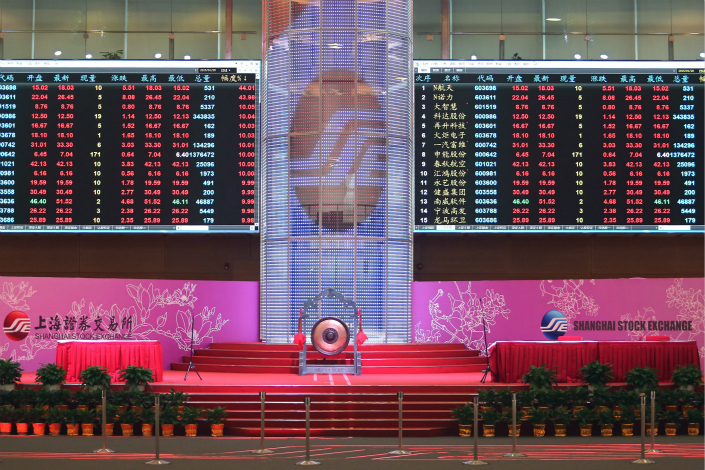
CSI300 dropped 2.2% to a one-year low on Monday as US–China summit optimism faded and a new US bill targeting Chinese AI data-centre components rattled tech stocks.
Why it matters
The selloff erases the market lift from last week's Trump–Xi summit within days, signalling investor doubt that the Washington outcomes can stabilise the relationship. It is also the first trading test of how US technology restrictions — now potentially reaching AI data-centre supply chains — feed back into Chinese equity prices ahead of the Golden Week holiday.
Full report
China's blue-chip stocks fell sharply on Monday, September 28. The CSI300 Index dropped 2.2% by the lunch break, heading for its steepest daily decline in five weeks and touching its lowest level since early September 2025, Reuters reported. The Shanghai Composite closed down 1.67% at 3,823.62, the Shenzhen Component fell 3.44% to 12,858.75, and the ChiNext Index plunged 4.53% to 3,139.82. More than 4,500 stocks ended lower, with combined turnover on the Shanghai and Shenzhen exchanges reaching 1.7 trillion yuan.
Technology shares led the rout. Optical-transceiver makers Eoptolink Technology fell 7% in Shenzhen and Innolight Technology dropped about 9% in both Shenzhen and Hong Kong. The CSI 300 Telecommunication Services Index slid more than 6% to a two-month low, while the STAR Market, ChiNext and the small-cap CSI3000 Index each fell roughly 4%.
Three forces drove the selloff. First, optimism from last week's Washington summit between US President Donald Trump and Chinese President Xi Jinping faded quickly, with markets doubting the durability of the improvement in ties. Second, a bipartisan group of US lawmakers introduced legislation on Friday that would bar the federal government from using Chinese-made components in sensitive data-transmission systems in AI data centres, hitting Chinese tech firms in the global AI supply chain. Third, fresh domestic data weakened sentiment: China's August industrial-profit growth slowed sharply, underscoring uneven economic conditions.
Chip stocks faced extra pressure on separate reports that China's industry ministry asked companies how many of Nvidia's new RTX Pro 5500 workstation GPUs they plan to buy, a sign Beijing could approve the purchases. The prospect of wider access to Nvidia hardware raised concerns that demand for Chinese-made AI chips could weaken. Neither the Chinese government nor Nvidia has confirmed the matter.
Investors also reduced exposure ahead of China's week-long National Day holiday beginning October 1, while regional markets wobbled: South Korea's KOSPI fell 2.7% on a chip selloff, Japan's Nikkei closed 0.73% lower, and Hong Kong's Hang Seng edged up 0.54% to 24,642.51. China said on Monday that the two-month extension of its trade truce with the US would give both sides time to assess implementation of their economic and trade arrangements, but OCBC analysts cited by Reuters pointed to continued differences over technology, security, trade and global governance.
💬 Comments
No comments yet. Be the first!