 N環球

China-U.S. trade chiefs hold video call; Washington urges Beijing to implement Busan deal fully and immediately
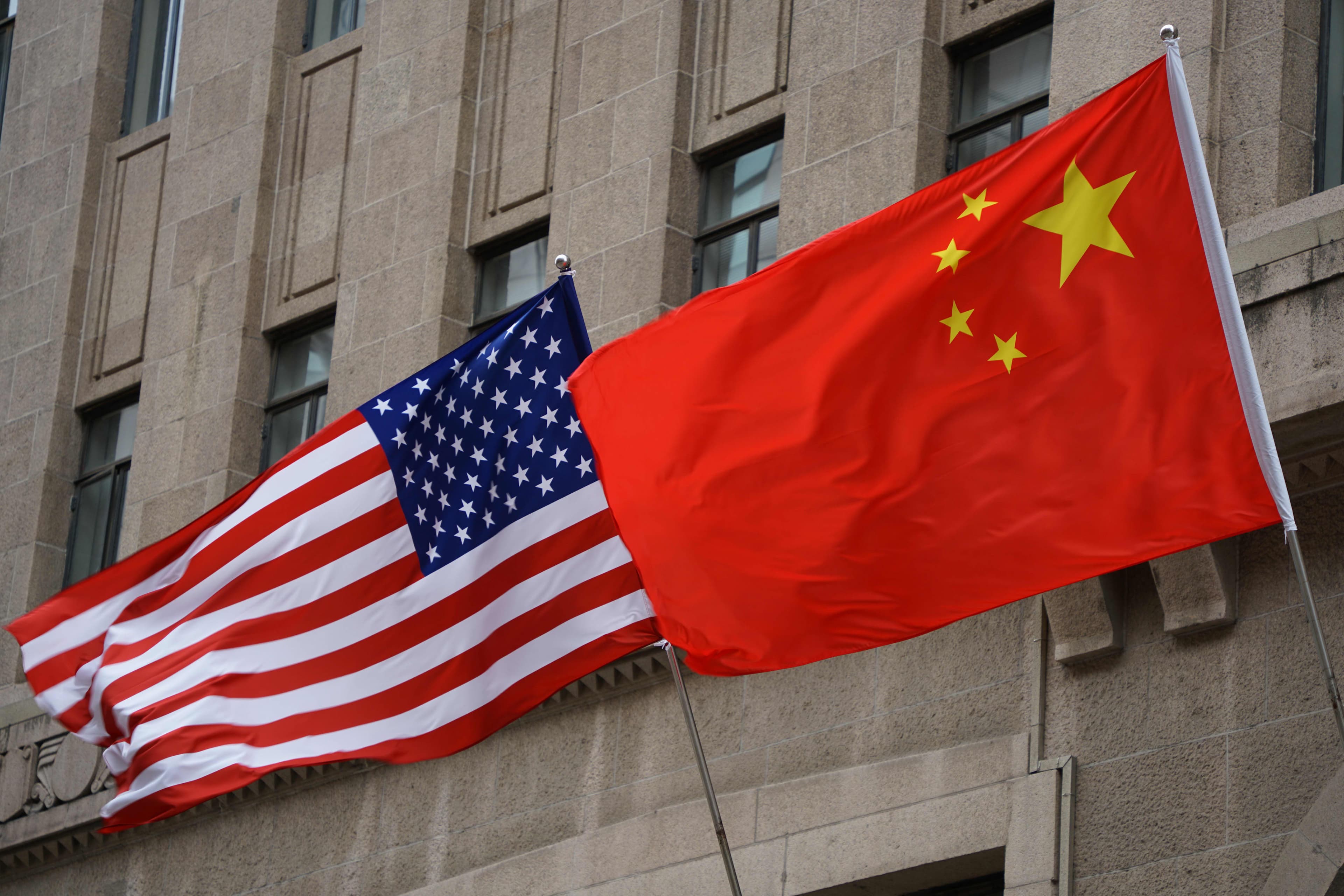
Chinese Vice Premier He Lifeng held a video call with U.S. Treasury Secretary Scott Bessent and Trade Representative Jamieson Greer on the evening of November 6. Washington urged Beijing to fully and immediately implement the Busan agreement; Beijing lodged solemn concerns over recent U.S. restrictions on China.
The lead officials for China-U.S. economic and trade affairs held a video call on Friday evening, November 6. Chinese Vice Premier He Lifeng spoke with U.S. Treasury Secretary Scott Bessent and U.S. Trade Representative Jamieson Greer about implementing the consensus reached by the two heads of state in Beijing and Washington and the outcomes of earlier trade consultations.
Two different readouts
According to a statement from the U.S. Treasury Department, Bessent and Greer urged China to "fully and immediately" implement the commitments in the trade agreement reached in Busan, South Korea, last year. Greer stressed that China must take concrete action to fully implement its past commitments, particularly on agricultural purchases, rare earths and other critical minerals. Bessent said continued progress depends on concrete results and that the United States will closely assess China's implementation, while raising concerns about recent Chinese actions.
According to China's official Xinhua News Agency, the Chinese side expressed solemn concern over recent U.S. economic and trade restrictions on China. Both sides agreed to continue using consultations to address each other's concerns.
What the Busan agreement covers
The Busan agreement stems from a meeting between the two heads of state on the sidelines of the APEC leaders' summit in Busan in October 2025, a de-escalation arrangement reached after the two sides imposed tit-for-tat tariffs on each other earlier that year. Its core elements include China continuing to buy U.S. soybeans through 2028 — pledging 25 million metric tons over three years and boosting purchases of other farm goods by $17 billion — pausing new rare-earth export controls and issuing general licences for exports of related materials, while U.S. tariffs on Chinese goods were capped at about 20 percent. The agreement was initially valid for one year; the trade truce was later extended to January 10, 2027.
Under current plans, Presidents Donald Trump and Xi Jinping are expected to meet on the sidelines of the APEC summit in Shenzhen, China, on November 18-19, and again at the Group of 20 summit in Miami on December 14-15.
(Sources: U.S. Treasury Department; Office of the U.S. Trade Representative; Xinhua; Financial Times.)
💬 Comments
No comments yet. Be the first!