 N環球

Cowboy Space Unveils 86-Metre Big Iron Rocket Whose Upper Stage Stays in Orbit as a Megawatt-Class AI Data Centre
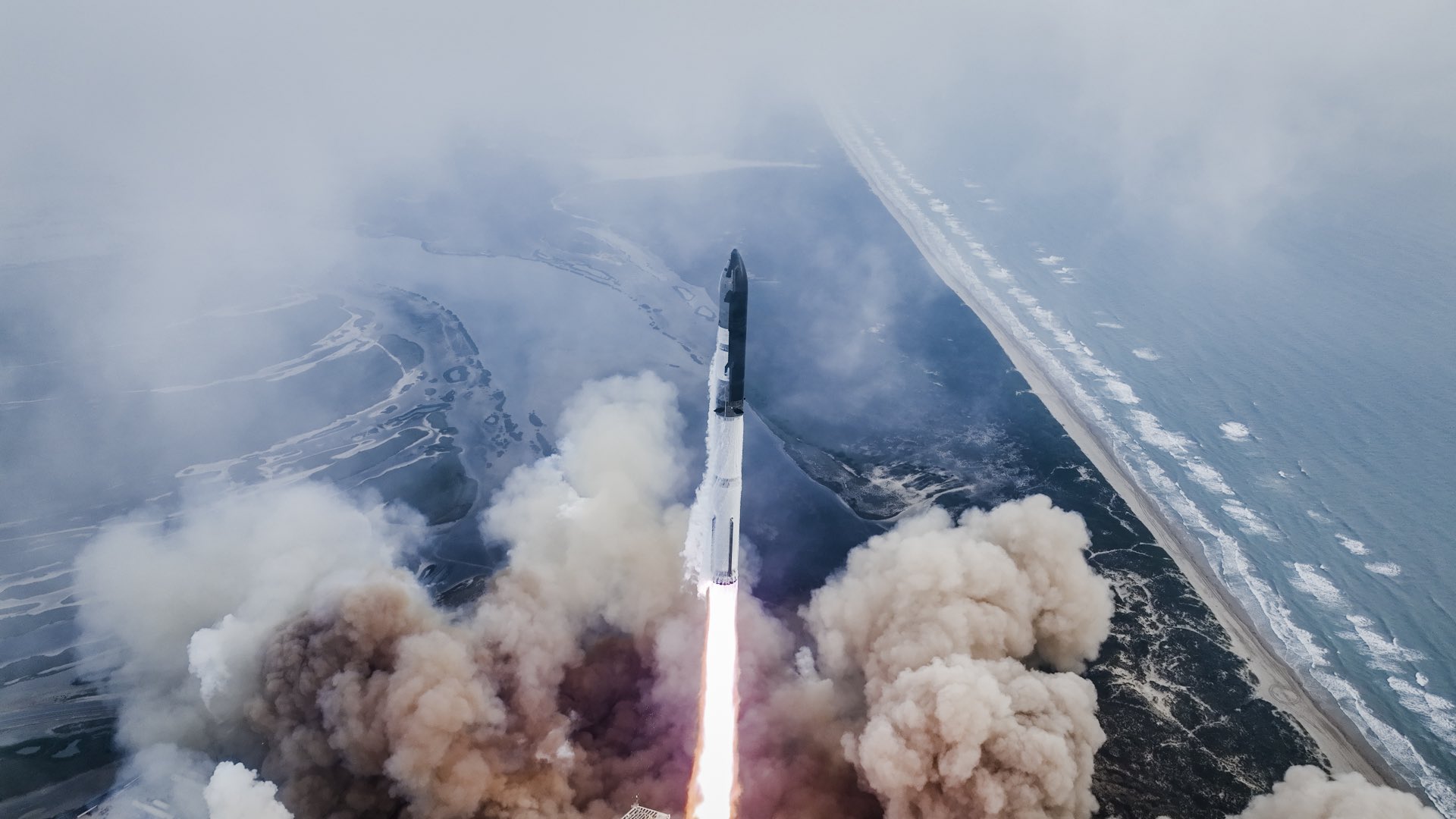
California space company Cowboy Space unveiled its 86-metre stainless-steel Big Iron rocket on October 26; its upper stage will remain in orbit as a megawatt-class AI data centre carrying NVIDIA Vera Rubin chips. The company has applied to the FCC for a 20,000-satellite Stampede constellation, with a first flight targeted for December 2028.
California space company Cowboy Space unveiled a new rocket called Big Iron at an event named Big Sky Rising in Palo Alto on the night of October 26. The company, co-founded by Robinhood co-founder Baiju Bhatt and founded in 2024 as laser power-beaming company Aetherflux, says Big Iron is 86 metres tall and 4.7 metres wide, built from stainless steel, with nine Clydesdale liquid-oxygen-and-methane engines on the first stage and one on the upper stage, able to carry more than 15,000 kilograms to sun-synchronous orbit.
An upper stage that never comes home
Big Iron's most unusual feature is the dual use of its upper stage: instead of burning up on re-entry, it stays in orbit and becomes a megawatt-class AI data centre. Each upper stage carries five racks of NVIDIA Vera Rubin GPUs, about one megawatt of compute payload, with solar wings spanning about 132 metres once unfurled. The rocket's skin doubles as the data centre's radiator, ammonia propellant doubles as coolant, and pressurised nitrogen deploys the solar wings. The company also launched Big Iron Express, a commercial service offering megawatt-class power in orbit to government and third-party customers.
The 20,000-satellite Stampede constellation and the FCC filing
Under a company statement issued October 27, Cowboy has applied to the US Federal Communications Commission (FCC) for a constellation called Stampede: 20,000 orbital AI data centres. Because each launch carries a single satellite, building Stampede takes 20,000 launches, plus several thousand more per year to maintain it; the company therefore plans multiple flights per day from launch complexes it calls Trailheads, each likely with four active mounts, though locations have not been announced. Cowboy is also working with NVIDIA to deploy NVIDIA Space-1 Vera Rubin modules in low Earth orbit.
Not yet flown: the timetable and the unproven parts
Big Iron has not yet flown, and the Clydesdale engine is still in testing; the first flight is targeted for December 2028. The company's only hardware in space now is Reason-1, launched October 1, 2026 on SpaceX's Transporter-18 rideshare mission to demonstrate laser power beaming from orbit; Reason-2, slated for 2027, will run GPUs in orbit for commercial and government workloads. Orbital AI compute is becoming a meeting point for the space and AI industries: Google also launched a prototype satellite carrying four TPUs on October 1 to test compute in orbit. Whether Big Iron flies on schedule, and whether megawatt-class continuous operation in orbit works as described, remains to be proven.
💬 Comments
No comments yet. Be the first!