 N環球

Delhi's BS6 entry ban, day one: border queues, over a thousand vehicles turned back, idling emissions a new problem
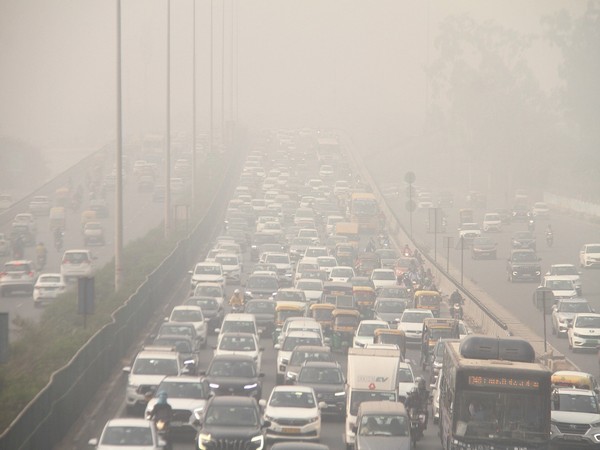
On the first day of Delhi's ban on non-BS-VI vehicles registered outside the capital, border checkpoints saw long queues; thousands of vehicles were checked and over a thousand turned back, Gurugram and Ghazipur jammed, and a ground check found private cars unchecked; Delhi's air fell into the 'very poor' band on November 2.
New Delhi's winter anti-pollution order had a congested first day on November 1: vehicles from outside the capital that do not meet BS-VI (Bharat Stage VI) emission standards were barred from entering Delhi, and long queues built up at border checkpoints in Gurugram and Ghazipur, with idling vehicles adding emissions locally — raising questions about how the enforcement is working in practice.
Day-one enforcement in numbers
In checks up to 8 p.m. on the first day, officers inspected 7,279 vehicles, turned back 714 non-destined vehicles, issued 10 challans and impounded 38 end-of-life vehicles. A separate ground check by India Today put the day-one totals higher — more than 6.8 million rupees in fines and 1,539 non-compliant vehicles turned back. The tallies differ in scope and counting window, but both point to the same picture: borders were busy from the moment the ban took effect.
The worst congestion was on the Delhi–Gurugram route at Sirhaul and Kapashera, and at the Ghazipur border. One analysis estimated that about 400 cars idling for just 15 minutes at the Gurugram border would release roughly 184 kilograms of CO2 — the anti-pollution measure generating fresh emissions at the enforcement line itself.
What the ban covers — and what it exempts
The measure is part of Delhi-NCR's winter pollution plan and runs from November 1 to January 31, 2027: vehicles registered outside Delhi that fall below BS-VI standards may not enter the capital. CNG and electric vehicles, ambulances, fire tenders and certain essential-service vehicles are exempt, and even compliant vehicles must carry a valid Pollution Under Control (PUC) certificate to enter.
Enforcement is phased: until November 10 the focus is on diverting and turning back vehicles, with challans only for invalid PUC certificates; after that, non-compliant vehicles may face a 20,000-rupee challan. The Transport Department estimates more than one million vehicles in Gurugram, Faridabad, Noida, Greater Noida and Ghaziabad fall below BS-VI standards.
Gaps on the ground and the air today
India Today's ground check at the Ghazipur border found toll staff inspecting commercial vehicles but not checking private cars for BS6 compliance, with no extra traffic police or barricades deployed — a gap between the announced curbs and their ground implementation. Meanwhile Delhi's air quality fell into the "very poor" band on November 2, with the ITO monitoring station recording an index of 349 and smog enveloping the National Capital Region.
The backdrop is the Graded Response Action Plan (GRAP): the Commission for Air Quality Management invoked Stage I on October 21. Vehicular exhaust is a major winter PM2.5 source, accounting for about 23 percent of the winter PM2.5 load. Whether the ban actually clears the air will depend on enforcement intensity and air data in the coming weeks.
💬 Comments
No comments yet. Be the first!