 N環球

New Delhi's ambitious EV plan runs into a reality check as drivers cite cost and charging gaps
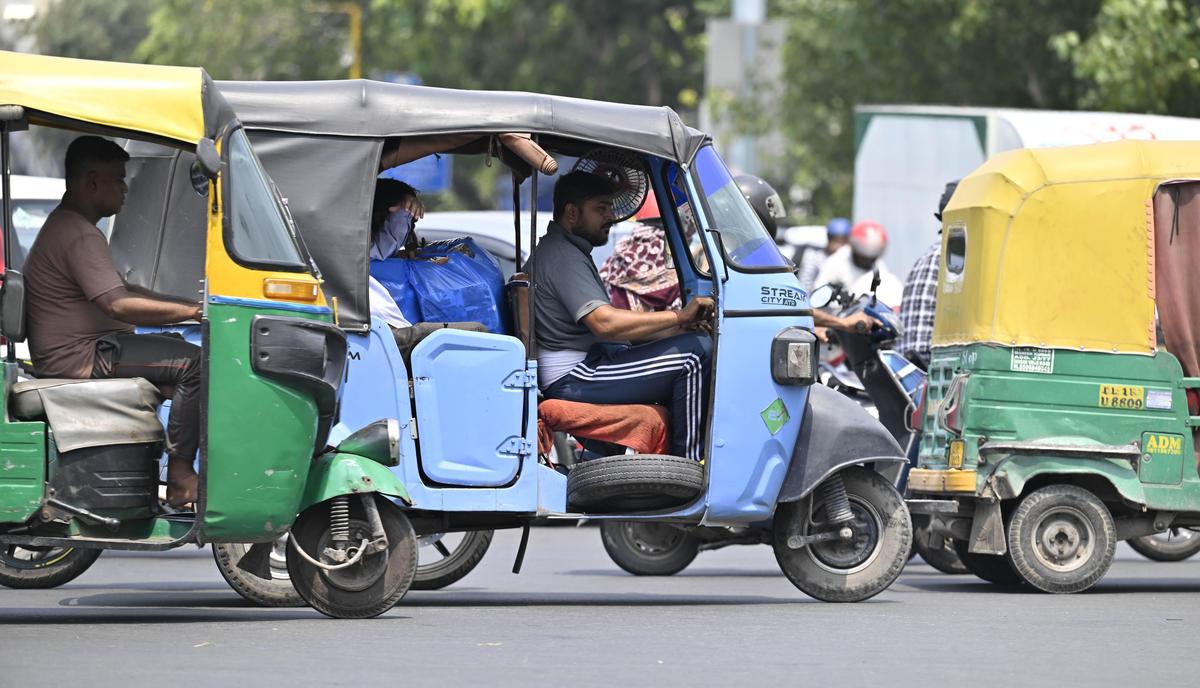
An Economic Times analysis says Delhi's ambitious electric-vehicle transition is running into a reality check: for drivers who earn a living on the road, switching to electric is still too expensive and too inconvenient.
India's capital is running into a reality check on its ambitious electric-vehicle transition. An analysis by The Economic Times on Wednesday (November 25) says that for drivers who earn a living on the road, switching to an EV is still too expensive and too inconvenient, leaving a gap between the policy's vision and conditions on the street.
A bold target: 95% of new vehicles electric by 2027
Delhi's Electric Vehicles Policy 2.0 took effect on July 1, 2026 and runs until March 31, 2030, with a budget of 15,000 crore rupees (about US$1.75 billion). It aims for 95% of newly registered vehicles to be electric by 2027. From January 1, 2027, only electric three-wheelers and small trucks will be registered, and from April 1, 2028, only electric two-wheelers. Two- and three-wheelers make up nearly 70% of Delhi's roughly 8.7 million registered vehicles and account for about half of the city's vehicular pollution.
Subsidies on offer, but drivers still struggle
The policy offers tiered subsidies: up to 30,000 rupees in the first year for electric two-wheelers, 50,000 rupees for electric three-wheelers and up to 100,000 rupees for light electric goods vehicles. Private electric cars priced up to 3 million rupees are exempt from road tax and registration fees, and scrapping an old vehicle for an EV brings a further incentive of up to 100,000 rupees. Even so, drivers say charging facilities have not kept up, and long-distance drivers worry about battery range. A marketing executive who owns an electric two-wheeler told AP that charging facilities are "not up to the mark yet" and that it is hard for long-distance drivers to switch.
Progress and background
EVs accounted for about 12.7% of Delhi's new vehicle sales in the 2026 financial year, above the national average of 8.3%. An analyst at the energy think tank Ember noted Delhi was already a clean-energy pioneer through its earlier shift to compressed natural gas vehicles, while an expert at the Vasudha Foundation called the policy one of the most ambitious EV policies he has seen in India, saying its firm deadlines signal to automakers and consumers that change is "inevitable". The plan also envisages more than 30,000 public charging points across the city.
Vehicles cause about a quarter of air pollution in the National Capital Region around Delhi. Delhi's air quality index stood at 228 on Wednesday, in the "poor" category, as the city battles its winter smog. Whether the EV transition delivers will depend not only on subsidies, but on whether charging networks and prices truly catch up.
(File photo: electric auto-rickshaws on a Delhi street. Photo: The Hindu.)
💬 Comments
No comments yet. Be the first!