 N環球

India's top court refuses interim bail for Umar Khalid and Sharjeel Imam, will form three-judge bench on UAPA bail rules
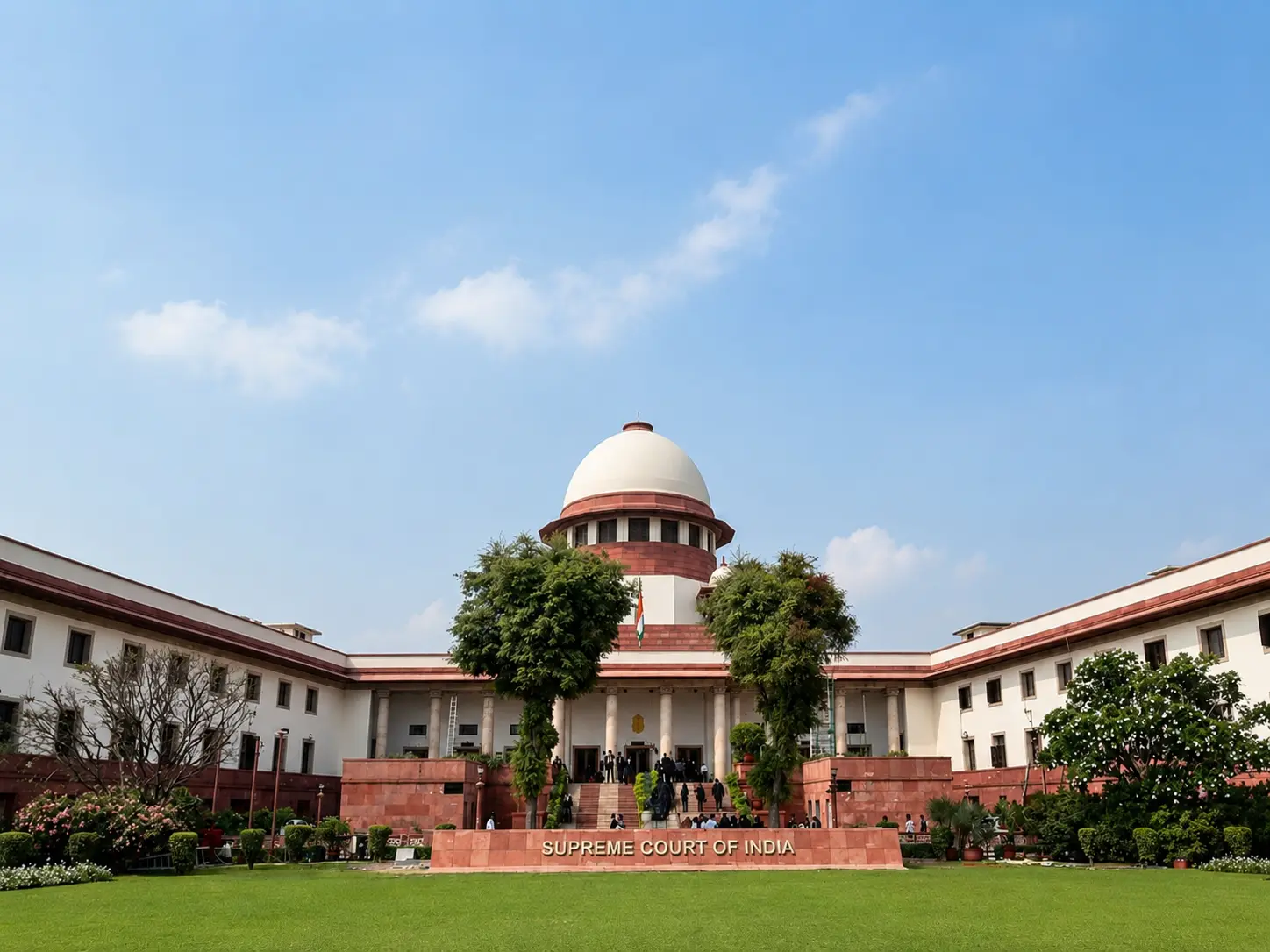
India's Supreme Court on Wednesday issued notice to Delhi Police on the bail pleas of Umar Khalid and Sharjeel Imam in the 2020 Delhi riots conspiracy case. A bench led by Chief Justice Surya Kant declined to consider interim bail for now, saying it must first hear the police, and will constitute a three-judge bench to examine bail rules for prolonged incarceration. The two have been in custody since 2020, for over six years.
India's Supreme Court on Wednesday (25 November) issued notice to Delhi Police on the bail pleas of activists Umar Khalid and Sharjeel Imam in the 2020 Delhi riots larger conspiracy case under the Unlawful Activities (Prevention) Act (UAPA). A bench comprising Chief Justice of India Surya Kant, Justice Joymalya Bagchi and Justice V. Mohana declined to consider interim bail at this stage, saying it must first hear the police, and directed that the matter be placed before the Chief Justice for the constitution of a three-judge bench. The two have been in custody since 2020, for over six years.
File photo: the Supreme Court of India building in New Delhi.
No interim bail for now; police to be heard first
Senior Advocate Kapil Sibal, appearing for Khalid, pressed the court to consider interim bail, pointing out that his client has been in custody for over six years; Senior Advocate Siddharth Dave raised a similar plea for Imam. The bench said the Delhi Police would have to respond before interim relief could be considered. Solicitor General Tushar Mehta, appearing for Delhi Police, opposed immediate relief. The court added that the main matter itself would be listed for hearing.
Three-judge bench to examine conflicting bail rulings
The court directed the Registry to place the matters before the Chief Justice on the administrative side for the constitution of a three-judge bench, in light of the reference order passed on 22 May this year in Tasleem Ahmed. The reference concerns a perceived conflict in UAPA bail law: whether long incarceration and delay in trial can override the statute's stringent bail conditions. In Union of India v. KA Najeeb (2021), a three-judge bench held that prolonged incarceration can be a ground for bail regardless of the UAPA's strict conditions; in Gulfisha Fatima (January 2026), bail was denied to Khalid and Imam.
Chief Justice Kant was part of the bench that decided KA Najeeb in 2021. In court he acknowledged the awkwardness, saying he felt “a little embarrassed” because the judgment under discussion was his own, but that he had to apply his mind to it. Dave, for Imam, said the reference had no bearing on the present petitions, which were filed under the January order allowing the two to seek bail after one year.
One-year embargo nearing expiry; fresh pleas filed
On 5 January 2026, a Supreme Court bench denied bail to Khalid and Imam while granting bail to five other accused in the same case, distinguishing the roles attributed to them; it imposed a one-year embargo, allowing the two to approach the court again after the examination of protected witnesses or after one year. They moved the trial court, which rejected their pleas on 4 July, and then the Delhi High Court, which rejected them on 30 September, prompting the present appeals. In their fresh pleas they argue that the one-year embargo expires on 5 January 2027 and that the examination of protected witnesses cannot possibly be completed by then, so prolonged incarceration itself should ground bail. Once Delhi Police responds, the main case will be listed; the three-judge bench's ruling will settle the bail rules for long-detained UAPA accused.
💬 Comments
No comments yet. Be the first!