 N環球

New Delhi gears up for winter smog: minister summons five neighbouring cities for joint enforcement, over 10,000 fines a day
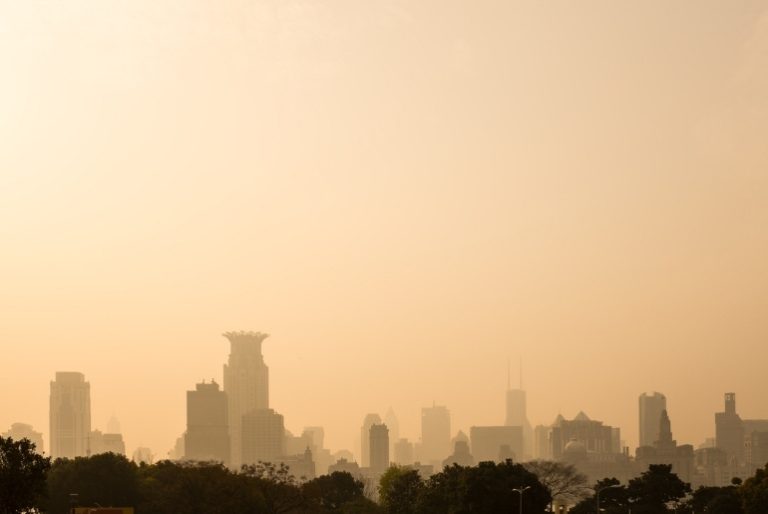
Delhi Environment Minister Manjinder Singh Sirsa held a video meeting on October 25 with officials from Noida, Faridabad, Gurugram and other neighbouring cities to coordinate the winter air-pollution response across the National Capital Region: synchronised traffic flow on border corridors, stricter pollution-certificate checks, impounding of polluting vehicles and maximum fines. Delhi Traffic Police now issue more than 10,000 traffic and pollution fines a day. Delhi's 24-hour average AQI was 153 (Moderate) at 4 p.m. on October 25, but is forecast to worsen to Poor from October 26 to 28.
Ahead of winter, New Delhi has escalated its air-pollution response into a cross-state coordinated operation. Environment Minister Manjinder Singh Sirsa held a video meeting on October 25 with officials from the National Capital Region (NCR) and neighbouring districts, stressing that air pollution is an airshed-wide problem and that Delhi and the surrounding states must act together to implement the Graded Response Action Plan (GRAP) and the directions of the Commission for Air Quality Management (CAQM).
Border traffic flow and tougher pollution checks
Measures agreed at the meeting include synchronised traffic movement and more personnel on high-traffic corridors near NCR borders to cut idling emissions; stricter Pollution Under Control (PUC) enforcement, with polluting vehicles impounded and maximum penalties imposed; enforcement of the Supreme Court's order diverting non-Delhi-bound truck traffic onto the Eastern and Western Peripheral Expressways; and continued restrictions on overage diesel and petrol vehicles. Delhi Traffic Police told the meeting that more than 10,000 traffic and pollution fines are being issued daily, and buses operating in Delhi-NCR must run on electricity, CNG or BS-VI-compliant diesel.
Rain brings brief relief, but worse air is coming
Rainfall has given Delhi brief respite: the overall AQI was around 168 in the morning of October 25, easing to a 24-hour average of 153, in the Moderate range, by 4 p.m., down from 191 a day earlier. The capital has had a far wetter month than usual, with Safdarjung recording 61.9 mm of rain against a monthly normal of 15.1 mm, and the minimum temperature fell to 17 degrees Celsius on the morning of October 25, the season's lowest. But the Air Quality Early Warning System forecasts a return to Poor air from October 26 to 28; after air quality deteriorated on October 21, CAQM invoked Stage 1 of GRAP, which bans coal and firewood in tandoors at hotels, restaurants and open-air eateries and restricts diesel generators to essential or emergency use.
Meanwhile, toxic white foam has resurfaced on the Yamuna River near Kalindi Kunj, a sign that water pollution is worsening alongside air pollution. Chief Minister Rekha Gupta had earlier called the inauguration of river-rejuvenation projects worth about 90 billion rupees a joyful day for residents; the foam's return is a reminder that winter environmental governance still has a long way to go.
💬 Comments
No comments yet. Be the first!