 N環球

After tanker attack west of Dubai, Abu Dhabi tightens tanker access to key export terminals
Abu Dhabi National Oil Company's Petroleum Ports Authority has issued a notice tightening tanker access to waters around the UAE's key oil export terminals, barring tankers carrying crude oil, petroleum products, liquefied gases, chemicals and other hazardous cargoes from entering, stopping in or crossing its waters unless calling at or doing approved business with its ports. The temporary measures initially run for 90 days and follow a series of attacks on commercial shipping in the region.
Abu Dhabi National Oil Company's (ADNOC) Petroleum Ports Authority has issued a notice tightening tanker access to waters around the UAE's key oil export terminals: tankers carrying crude oil, petroleum products, liquefied gases, chemicals and other hazardous cargoes may not enter, stop in or cross waters under its jurisdiction unless they are calling at or doing approved business with its ports. The temporary measures initially run for 90 days and are seen as a response to a series of recent attacks on commercial shipping in the region.
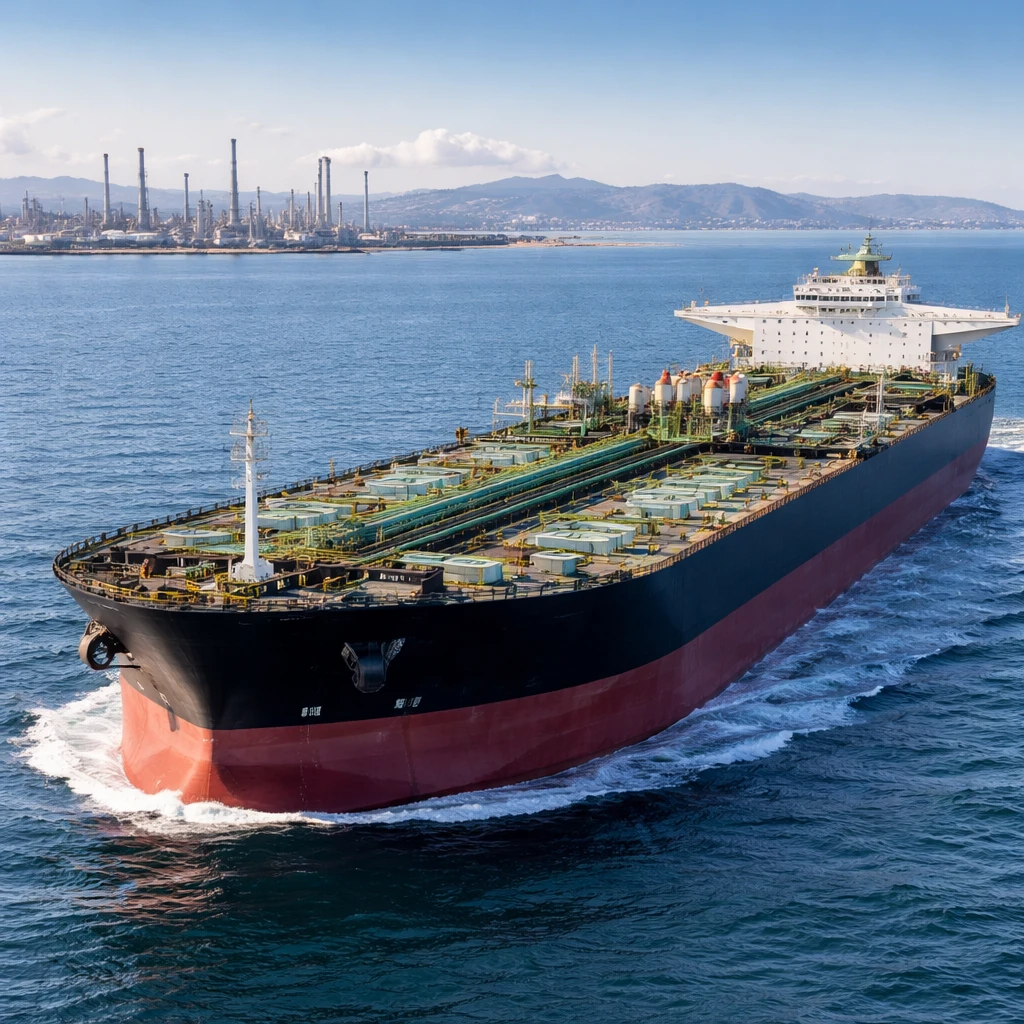
File photo: an oil tanker sailing in waters near a port.
Ruwais, Das Island and three other terminals covered; 72-hour notice required
According to the notice cited by Bloomberg and reporting by Rigzone and shipping publication Splash 247, the restrictions apply to waters controlled by ADNOC's Petroleum Ports Authority, covering the Ruwais refinery complex and the Jebel Dhanna, Das Island, Zirku and Mubarraz terminals; tankers calling at those terminals must submit the required documentation at least 72 hours before arrival. The restrictions apply regardless of flag, including UAE-registered vessels; search and rescue, pollution response and assistance to persons in distress at sea are exempt. The notice does not mention Fujairah, the UAE's east-coast oil hub, which falls under a separate port authority and is not covered by the new rules.
Follows a series of attacks on commercial shipping
The measures come as Iran has stepped up its targeting of tankers in and around the Strait of Hormuz in recent months. Earlier this month, two vessels of ADNOC Logistics & Services (Adnoc L&S) were attacked, one in UAE territorial waters and another in the Strait of Hormuz; a Jordanian crew member who went missing in the Hormuz attack has been found dead. On 22 November, three tankers were attacked in quick succession in the Strait of Hormuz, and on 25 November the UK Maritime Trade Operations office reported an explosion near a tanker about 50 nautical miles west of Dubai. Iran has also claimed that two more tankers hit mines in the strait; that claim has not been independently verified.
Analysts call it a security measure; oil prices rise
Burak Cetinok, head of research at Arrow Shipping & Energy, told Bloomberg the move is “largely a security measure following the recent attacks on vessels in the region”, adding that he sees no direct implications for Hormuz flows or legitimate tanker operations, and that the bigger issue remains the renewed disruptions in the strait itself. Brent crude settled 1.2% higher on Wednesday at $96.57 a barrel.
💬 Comments
No comments yet. Be the first!