 N環球

Global smartphone shipments plunge record 21.2% in Q3 as AI memory crunch bites
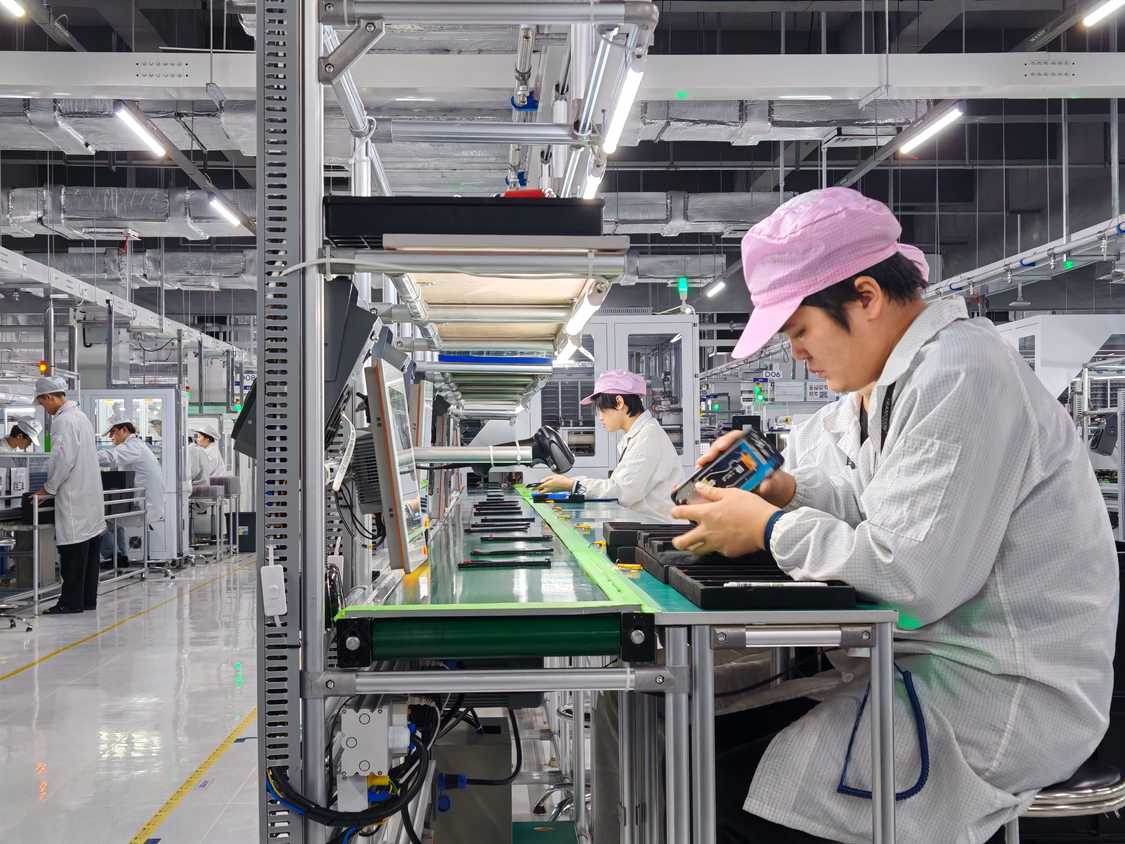
IDC's final data shows worldwide smartphone shipments fell 21.2% year on year to 258.1 million units in the third quarter of 2026, as the AI boom drives a memory shortage and higher prices; no recovery is expected before 2028.
Final data from market research firm IDC shows global smartphone shipments fell 21.2% year on year in the third quarter of 2026, to 258.1 million units — down from 327.3 million a year earlier, or about 69 million fewer phones — the steepest annual decline in the history of IDC's quarterly tracking. Preliminary data released in October had put the quarter at 255.3 million units, down 22%; the final figures are slightly better, but still the worst quarter on record. The cause is not a sudden collapse in demand, but the artificial intelligence boom, which has diverted memory-chip capacity and pushed up handset costs, forcing makers to raise prices and cut models.
Memory costs up about fourfold in a year
IDC said surging demand for high-bandwidth memory from AI data centres has led memory makers to prioritise server customers, leaving the DRAM and NAND used in phones in short supply. Memory costs for handset makers have risen roughly 400% since last year and are still climbing; although growth slowed to a low double-digit percentage quarter on quarter in Q3, after rises of 50% to 100% in previous quarters. Under the pressure, manufacturers have raised retail prices, culled low-margin models and delayed launches, with budget phones hit hardest and consumers left with fewer choices.
Samsung and Apple hold the premium end; Chinese brands plunge
Samsung held first place with 57.8 million units, a 22.4% share, down 5.8% year on year. Apple shipped 57.4 million iPhones, a 22.2% share, down 3.9%, but its highest third-quarter share on record. The Chinese brands fell furthest: Xiaomi shipped 30.7 million units, down 29.2%; vivo 19.2 million, down 31.2%; and OPPO 25 million, down 36%. IDC said Samsung and Apple proved more resilient thanks to their strength in the premium segment, while makers focused on cheaper handsets were cut most sharply.
No recovery expected before 2028
“The market has not yet reached the bottom,” said Nabila Popal, senior research director at IDC, warning that the worst may still be to come. Counterpoint Research expects shipments to fall 13.9% for the full year of 2026, followed by another 6% decline in 2027, with a rebound of about 6% only in 2028. IDC likewise expects growth to stay constrained through 2027, with any recovery pushed to 2028 at the earliest. In other words, the AI-driven memory crunch is not going away soon: consumers are likely to face dearer phones with fewer options, and to hold on to their current handsets for longer.
Photo: quality control on a smartphone production line. (Image: MakeUseOf)
(Sources: IDC; Notebookcheck)
💬 Comments
No comments yet. Be the first!