 N環球

Google's orbiting TPU answers for the first time: Project Suncatcher satellite writes a haiku from space
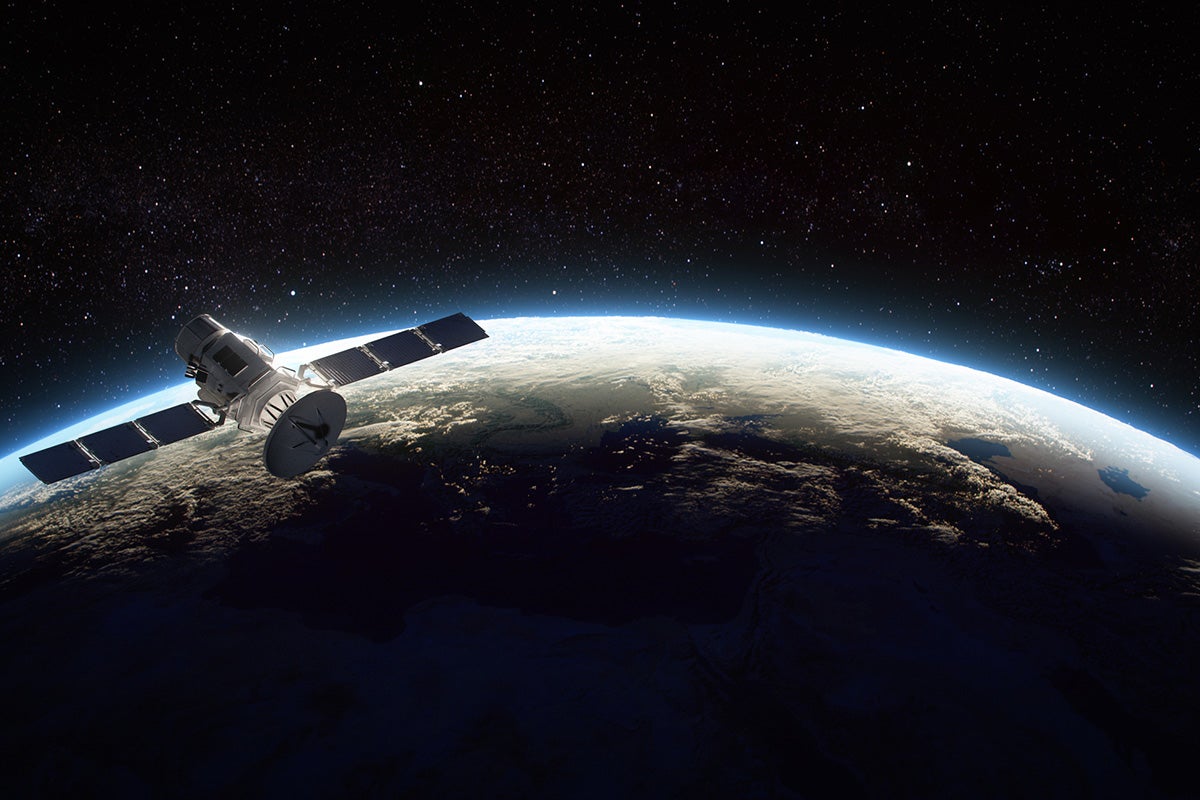
Google said on October 30 that its Project Suncatcher prototype satellite has returned the first AI response from a data-center-class TPU in orbit: the onboard Gemma 4 model wrote a haiku about space, a moment the company calls the project's 'Hello World' milestone.
Google said on October 30 that its Project Suncatcher prototype satellite has returned the first AI response from a data-center-class Tensor Processing Unit (TPU) in orbit: the onboard open model Gemma 4 answered the first prompt sent from the ground. The company calls it the project's 'Hello World' milestone, and the first-ever AI response from a data-center-class TPU in orbit.
A haiku sent back from space
During a ground-station pass, engineers uplinked a prompt asking the onboard Gemma 4 model to write a haiku about being in space. As the satellite passed over Svalbard, Norway, the answer came back down: 'Blue marble below / Data streams in silent grace / Starlight feeds my core.' Google then tested space-themed limericks and prompts asking the satellite to report the status of its own systems.
Where the prototype came from
The prototype launched on October 1 aboard a SpaceX Falcon 9 on the Transporter-18 rideshare mission, built in partnership with Planet. Google announced Project Suncatcher on November 4, 2025, as long-term research into whether a network of solar-powered satellites carrying TPUs could one day scale machine learning in space. After about three weeks of commissioning, the team had powered up the host and TPU trays and run early machine-learning tests.
Four chips, one at a time
The satellite carries four TPUs, but with about 1 kilowatt of power generation, engineers can run only one processor at a time, for roughly 20 minutes. The next tests will examine how the TPUs handle thermal stress and radiation in orbit — the two core engineering risks for any orbital data center. If those go well, Google plans a 2027 milestone: two interconnected satellites testing laser links between them.
What the milestone does not prove
The success shows a TPU can boot, run a model and complete the uplink-downlink loop in orbit. It does not yet show sustained heavy workloads, hardware lifetime or cost per unit of compute. Suncatcher remains a research project, a long way from a commercial orbital data center.
💬 Comments
No comments yet. Be the first!