 N環球
N環球 
IMF: US-China tariff war slashed bilateral trade, Asia absorbed diverted exports
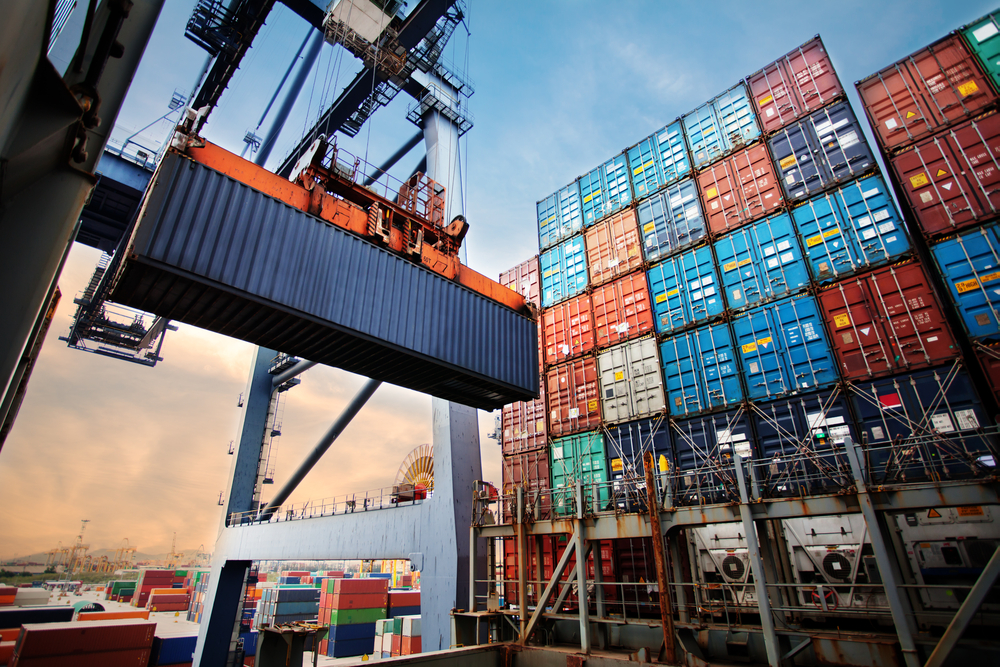
The IMF's October World Economic Outlook says steep US-China tariffs sharply cut bilateral trade, but firms in both countries cushioned the blow by redirecting exports to alternative markets, especially in Asia.
Why it matters
The International Monetary Fund's October 2026 World Economic Outlook, released October 13, puts the first authoritative numbers on the US-China tariff war's trade shock: bilateral trade shrank sharply, yet exporters in both countries largely offset the damage by pivoting to alternative markets in Asia. The findings offer a hard-data read on how supply-chain "de-risking" is actually playing out.
Full report
Between February 2025 and January 2026, Chinese exports to the United States fell 22 percent while American exports to China declined 25 percent. The contraction shaved 3.3 percentage points off China's total export growth and 1.7 points off America's.
Both countries expanded shipments to third markets. By January 2026, Chinese exports to markets outside the US stood 4.7 percentage points above their pre-tariff trend; American exports to non-China destinations were 2.6 points above trend, keeping each country's total exports within about one percentage point of their pre-tariff trajectories.
The IMF found Chinese exports of US-tariff-hit products to alternative destinations rose within a year by an amount equal to 52 percent of the trade at risk — 39 percent attributable to diversion after adjusting for existing trends. The US figures were far smaller: 17 percent of at-risk trade reached third markets, with about 7 percent attributable to the tariff shock.
💬 Comments
No comments yet. Be the first!