 N環球

India's chip push accelerates: 5 of 12 approved semiconductor projects now in production under Semicon 2.0
An Indian electronics ministry official said in New Delhi on November 5 that five of the 12 manufacturing projects approved under the India Semiconductor Mission have entered commercial production, as India pushes 'Semicon 2.0' to build a full ecosystem spanning design, materials, equipment and talent.
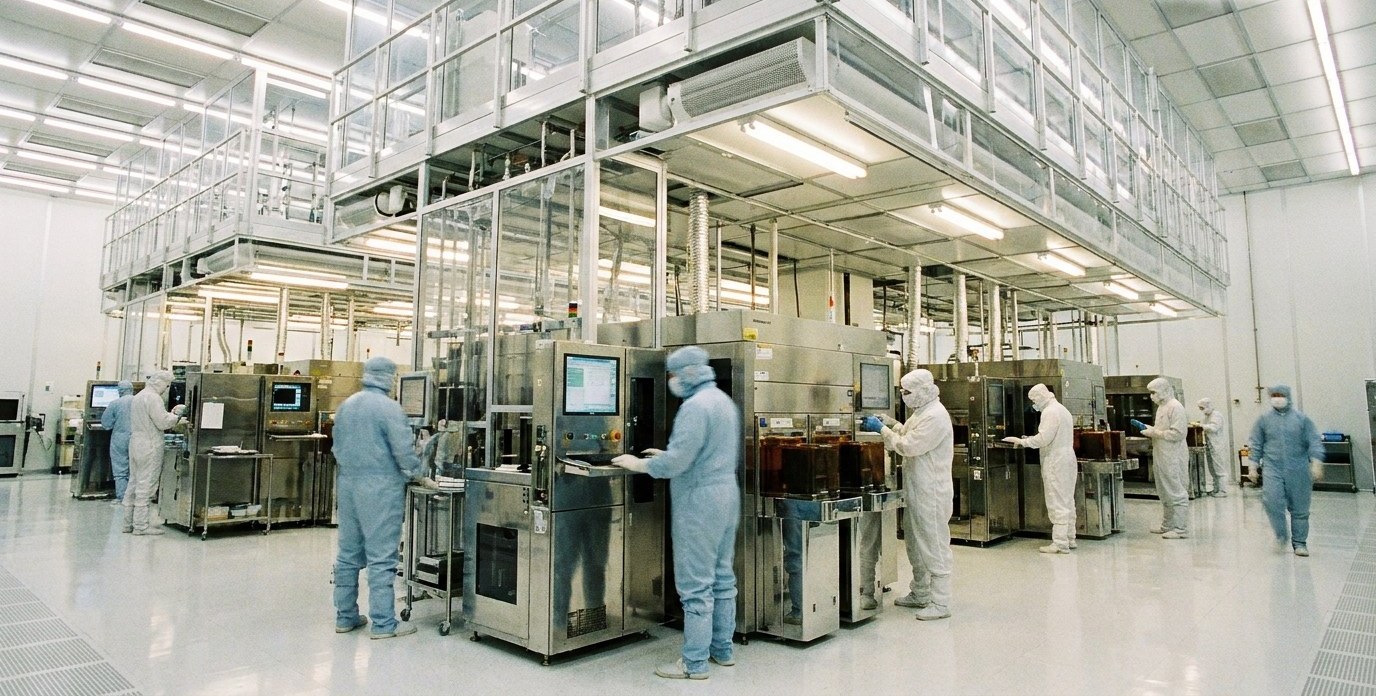
India's semiconductor drive has reached a tangible milestone. Amitesh Kumar Sinha, Additional Secretary at the Ministry of Electronics and Information Technology (MeitY) and CEO of the India Semiconductor Mission (ISM), said in New Delhi on November 5 that five of the 12 manufacturing projects approved under the national semiconductor mission have entered commercial production, marking a shift from policy design to on-the-ground execution. (Cover photo is a file image of a semiconductor fab cleanroom.)
Semicon 2.0: beyond fabs, an ecosystem
Speaking on the second and final day of the inaugural ISIG Executive Summit India 2026, Sinha said Semicon 2.0 is about building a broader ecosystem, 'including design companies, materials, chemicals, gases and equipment, alongside manufacturing, R&D and talent.' Unlike the original mission, which relied on fiscal incentives to attract fabs, the new phase aims to cover the full value chain, from upstream materials to downstream design services. Sinha said India's large domestic market, deep engineering talent pool and government incentives are key advantages, but global technology partnerships and resilient supply chains will be essential to consolidate its position in the global semiconductor order.
Summit focused on advanced packaging and power semiconductors
Held under the theme 'Enabling the Intelligent Future: Advanced Semiconductors, AI, Data Centers and Power Electronics,' the summit was the first edition of the global forum to be staged in India, bringing together senior executives, global technology leaders, researchers, investors and government stakeholders. Discussions spanned advanced packaging, outsourced semiconductor assembly and test (OSAT), power electronics, and wide-bandgap technologies such as silicon carbide (SiC) and gallium nitride (GaN); delegates also examined surging AI and data-centre demand and the development of India's domestic design, materials, equipment and supply-chain base.
Bihar pact extends the chip map outward
On the sidelines, ISIG signed a strategic cooperation agreement with the Bihar government to develop the state's semiconductor and electronics ecosystem. Bihar is not traditionally associated with high-tech manufacturing, and the move extends India's chip geography beyond the established hubs of Gujarat, Assam, Bengaluru and Hyderabad. Dr. Shalu Agarwal, General Manager of India and Head of Power Semiconductor at ISIG, called the first India edition a milestone, saying 'India's opportunity in advanced packaging and power electronics is real.'
Next: ramping the remaining seven projects; next summit in late 2027
With five projects producing commercially, attention now turns to when the remaining seven approved facilities ramp to production, and whether Semicon 2.0's ecosystem-building ambitions translate into competitive supply-chain depth in time to capture global diversification trends driven by US-China tech decoupling. The next ISIG Executive Summit in India is scheduled for November 30 to December 1, 2027.
(Source: Nation Press, November 5, 2026; speaker: ISM CEO Amitesh Kumar Sinha.)
💬 Comments
No comments yet. Be the first!